Astronomers Just Released Massive New Map of the Universe to Everyone
After decades of development, a massive new space mission has launched, providing humanity with an unprecedented view into the universe’s hidden corners.
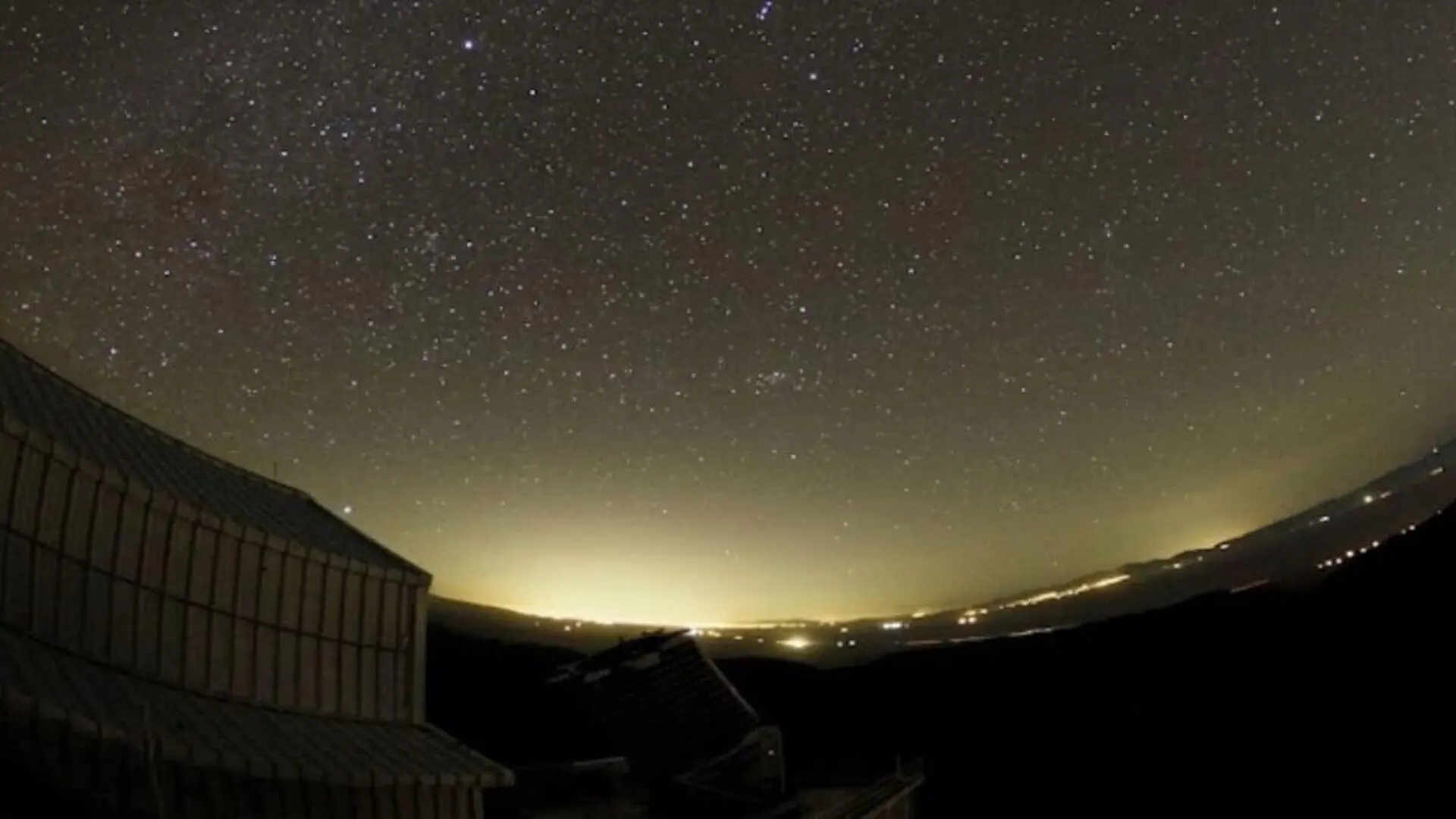
The Sloan Digital Sky Survey (SDSS) has officially unveiled its 20th major data release, providing the global scientific community with unprecedented access to one of the most comprehensive astronomical datasets in existence. Known as DR20, this latest installment represents the third significant update from the ongoing SDSS-V project, aggregating extensive observations from observatories across both the Northern and Southern Hemispheres.
Since its inception in 2000, the SDSS has evolved from a targeted survey of the Northern Hemisphere using the 2.5-meter Sloan Foundation Telescope into a massive international collaboration. This latest milestone marks a pivotal shift, delivering the first optical spectra from SDSS-V initiatives in the Southern Hemisphere while achieving a unified, high-resolution spectroscopic view of the entire sky.
A Truly Global Perspective on the Cosmos
The release, detailed in a paper published via arXiv, synthesizes new spectroscopic data from several specialized SDSS-V programs. DR20 integrates refined measurements from the Baryon Oscillation Spectroscopic Survey (BOSS), incorporating data gathered through early 2025 to create a more expansive map of the celestial sphere than ever before.
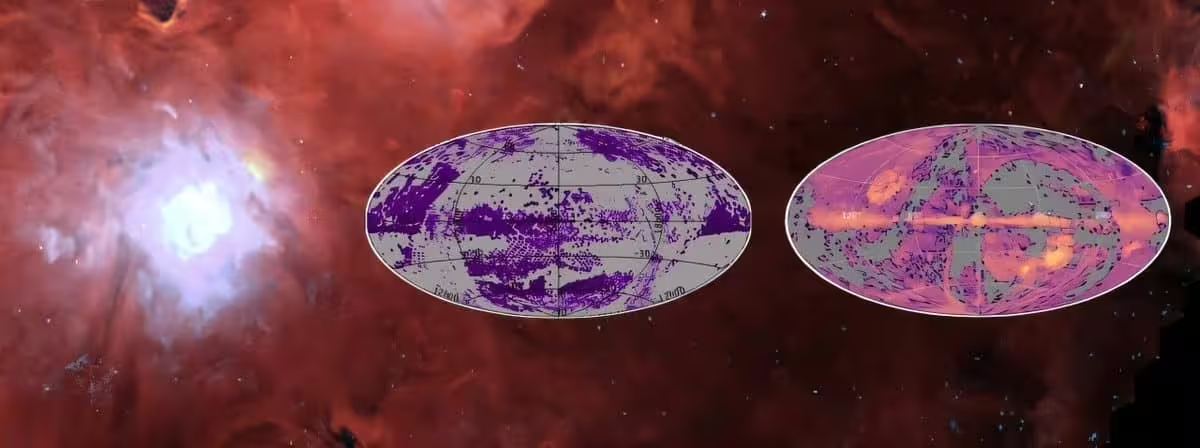
A core priority for the SDSS team is ensuring that this massive influx of information remains accessible to a broad audience, ranging from veteran astrophysicists to students and curious members of the public. Dr. Anne-Marie Weijmans, a researcher at the University of St Andrews and the survey’s data products coordinator, emphasized that the utility of the archive is just as important as its size. As noted in an official press release, the objective is to ensure that the data is not only public but fundamentally usable for educational and research purposes.
“We want everyone to make use of the SDSS data products, whether they are a professional astronomer doing their research, a student learning how to work with data, a teacher looking for classroom material, or someone who is just interested in astronomy in general,” said Weijmans.
Deep Dives into Black Holes and the Milky Way
The scale of DR20 is substantial, offering over three million distinct spectra of stars and galaxies. This treasure trove of data is structured through several specialized “mappers” that examine different aspects of our universe:
- Black Hole Mapper (BHM): This component provides spectra for approximately 500,000 objects, including stellar-mass, intermediate-mass, and supermassive black holes.
- Milky Way Mapper (MWM): Focusing on our home galaxy, this project contributes more than three million spectra derived from 1.5 million individual stars.
- Local Volume Mapper (LVM): This initiative targets nearby galaxies, planetary nebulae, and hydrogen clouds, offering a high-resolution look at the complex environments within our galactic neighborhood.
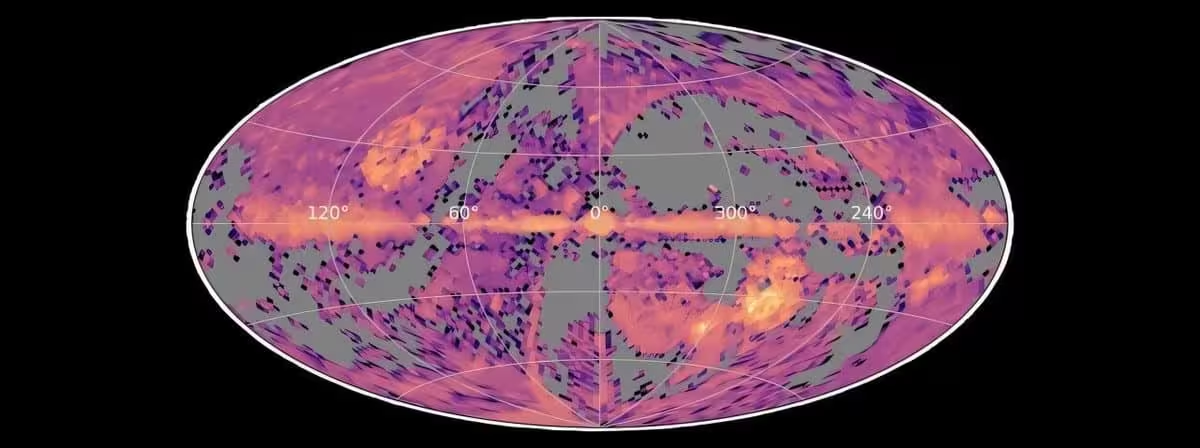
Furthermore, the survey has integrated its observations with external datasets, such as the eROSITA X-ray All-Sky Survey. Through the SPectroscopic IDentification of ERosita Sources (SPIDERS) program, researchers have identified hundreds of thousands of active galactic nuclei and galaxy clusters, demonstrating the power of multi-wavelength astronomical cooperation.
Expanding the Frontier of Research
Beyond the primary spectroscopic data, DR20 introduces 18 new or updated Value-Added Catalogs (VACs), providing secondary insights that allow scientists to conduct highly specific, nuanced studies. Dr. Emily Griffith, an NSF postdoctoral fellow at the University of Colorado Boulder and spokesperson for the SDSS-V collaboration, hailed the release as a significant achievement for the international research team.
“DR20 represents an enormous leap in the scale of SDSS data products—today we release over three million spectra of stars and galaxies along with 18 value-added catalogs. It’s the product of years of work by a dedicated, international team of astronomers,” Griffith stated.
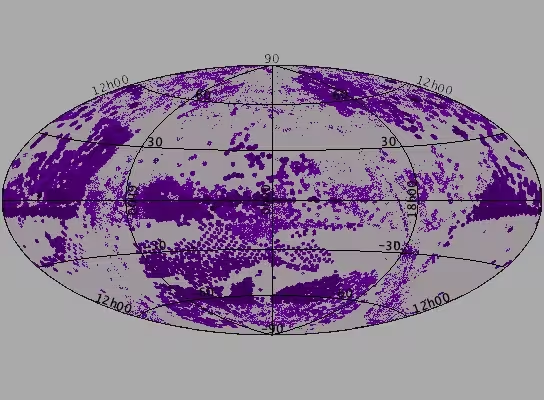
As the survey continues, the team is already looking toward future releases, with discussions for DR21 and DR22 already underway. Dr. Juna Kollmeier, director of SDSS-V and a staff scientist at Carnegie Science, acknowledged the momentum of the project, jokingly noting the technical requirements that accompany such rapid growth. “We’re going to need bigger computers!” she said, underscoring the relentless pace of modern astronomical discovery.
This article has been fact checked for accuracy, with information verified against reputable sources. Learn more about us and our editorial process.
Last reviewed on .
Article history
- Latest version
Reference(s)
- Collaboration, SDSS. “The Twentieth Data Release of the Sloan Digital Sky Survey: First All-Sky BOSS Spectra, eROSITA-SDSS-V Mapper Coordinated Observations, and a Preview of the Local Volume Mapper.” arXiv.org <https://arxiv.org/abs/2607.26149>.
- “Data Release 20 - SDSS.”, January 21, 2026 SDSS - Mapping the Universe <https://www.sdss.org/dr20/>.
- “BOSS: Dark Energy and the Geometry of Space - SDSS-III.” <https://www.sdss3.org/surveys/boss.php>.
- raddick, “New Planetarium Film “Mapping the Hidden Universe” Takes Audiences Inside the Sloan Digital Sky Survey.”, August 28, 2026 SDSS <https://www.sdss.org/new-planetarium-film/>.
Cite this page:
- Posted by Farah Siddiqui