Meta Is Building a Massive Undersea Cable With Enough Capacity to Stream to 75 Percent of Earth
A massive new subsea cable backed by a tech giant is set to redefine internet speeds, stretching thousands of kilometers across the Atlantic Ocean floor.
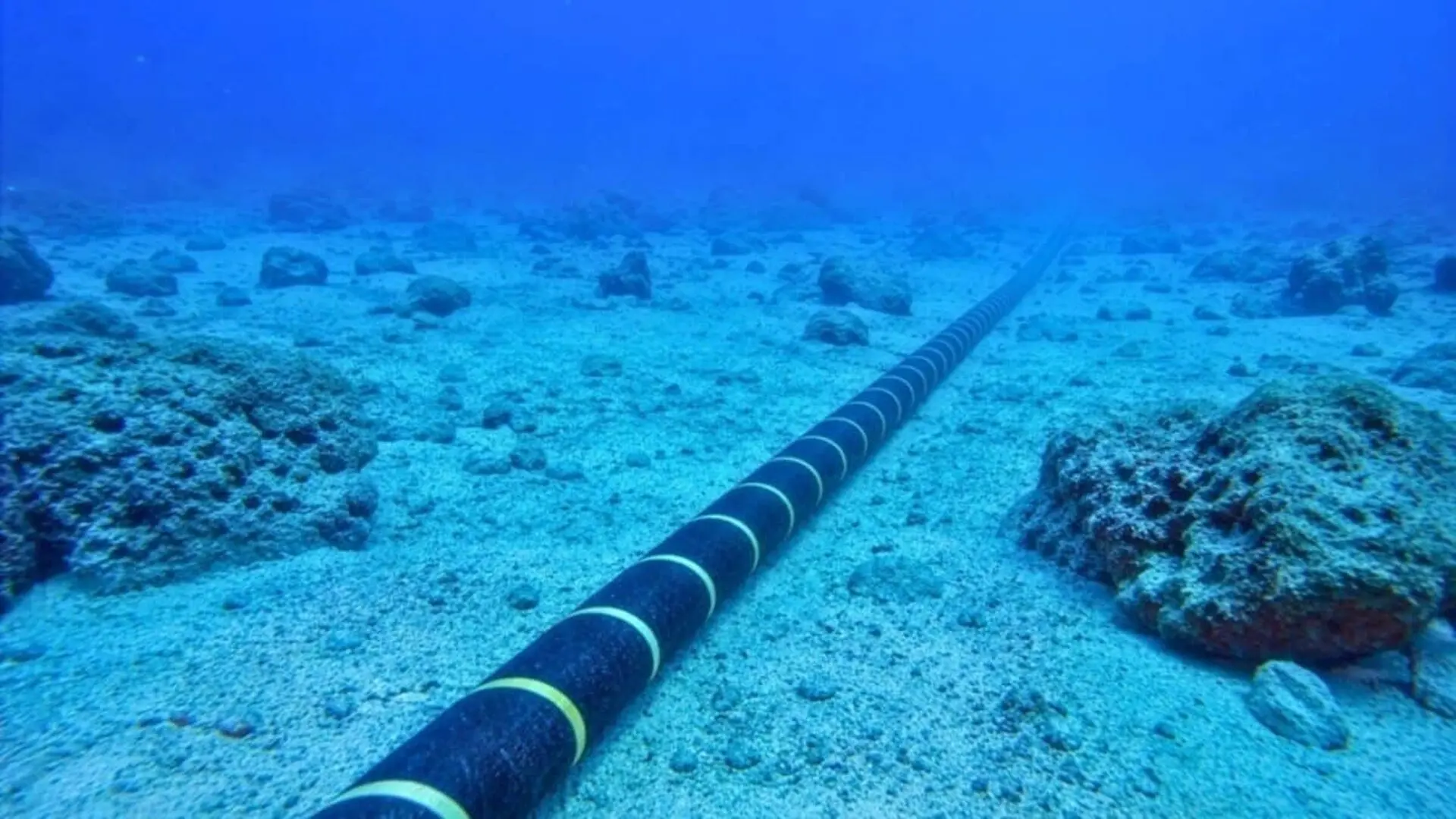
Meta has announced plans to deploy a massive piece of telecommunications infrastructure beneath the Atlantic Ocean. Dubbed Petal, the project involves laying 4,300 miles (approximately 7,000 kilometers) of fiber-optic cabling between the United States and France. Once operational in 2029, the system is expected to set a new global benchmark for connectivity, serving as the first transoceanic link capable of delivering one petabit per second.
Redefining Global Bandwidth
The technical specifications for Petal represent a significant leap in submarine networking. According to Meta’s official engineering disclosure from September 21, 2026, the cable will operate at a rate of 1 million gigabits per second. To visualize the scale of this throughput, the system is engineered to transport roughly 125 terabytes of data every single second. As noted by Live Science, this bandwidth is sufficient to handle the simultaneous transfer of approximately 25,000 high-definition films in a single second.
This development effectively doubles the capacity of existing undersea cables covering similar distances. By funding and managing the project independently, Meta aims to address the rising demand for high-speed data transmission between North America and Europe, positioning the infrastructure to support future internet traffic requirements.
Scalability and Future Connectivity
Beyond raw transfer speeds, the project highlights the sheer scale of modern global infrastructure. To illustrate the magnitude of this capacity, Meta projects that the system could theoretically support the simultaneous music streaming needs of 75% of the current world population. While this comparison serves as a conceptual metric for the cable’s total potential bandwidth rather than a real-world usage scenario, it underscores the intensity of the engineering work being conducted on the ocean floor.
The cable remains in the development phase, with completion and integration into the global network scheduled for 2029. As the first system of its kind to hit the petabit-per-second threshold, Petal is set to become a cornerstone of trans-Atlantic digital infrastructure for the coming decade.
This article has been fact checked for accuracy, with information verified against reputable sources. Learn more about us and our editorial process.
Last reviewed on .
Article history
- Latest version
Reference(s)
- Hartling, Elizabeth. “Inside Petal: Building the World’s First Petabit-Class Transoceanic Subsea Cable.”, September 21, 2026 Meta <https://engineering.fb.com/2026/09/21/connectivity/petal-petabit-transoceanic-subsea-cable/>.
- Hughes, Owen. “New 4,300-mile-long internet cable will shuttle data along the ocean floor at 1 million gigabits per second.”, October 17, 2026 Live Science <https://www.livescience.com/technology/communications/new-4-300-mile-long-internet-cable-will-shuttle-data-along-the-ocean-floor-at-1-million-gigabits-per-second>.
Cite this page:
- Posted by Divya Iyer