Hidden Killer Making Coral Reefs Four Times More Likely To Die During Heatwaves
Multiple environmental stressors are significantly reducing the survival rates of coral reefs, threatening the future of these vital marine ecosystems.
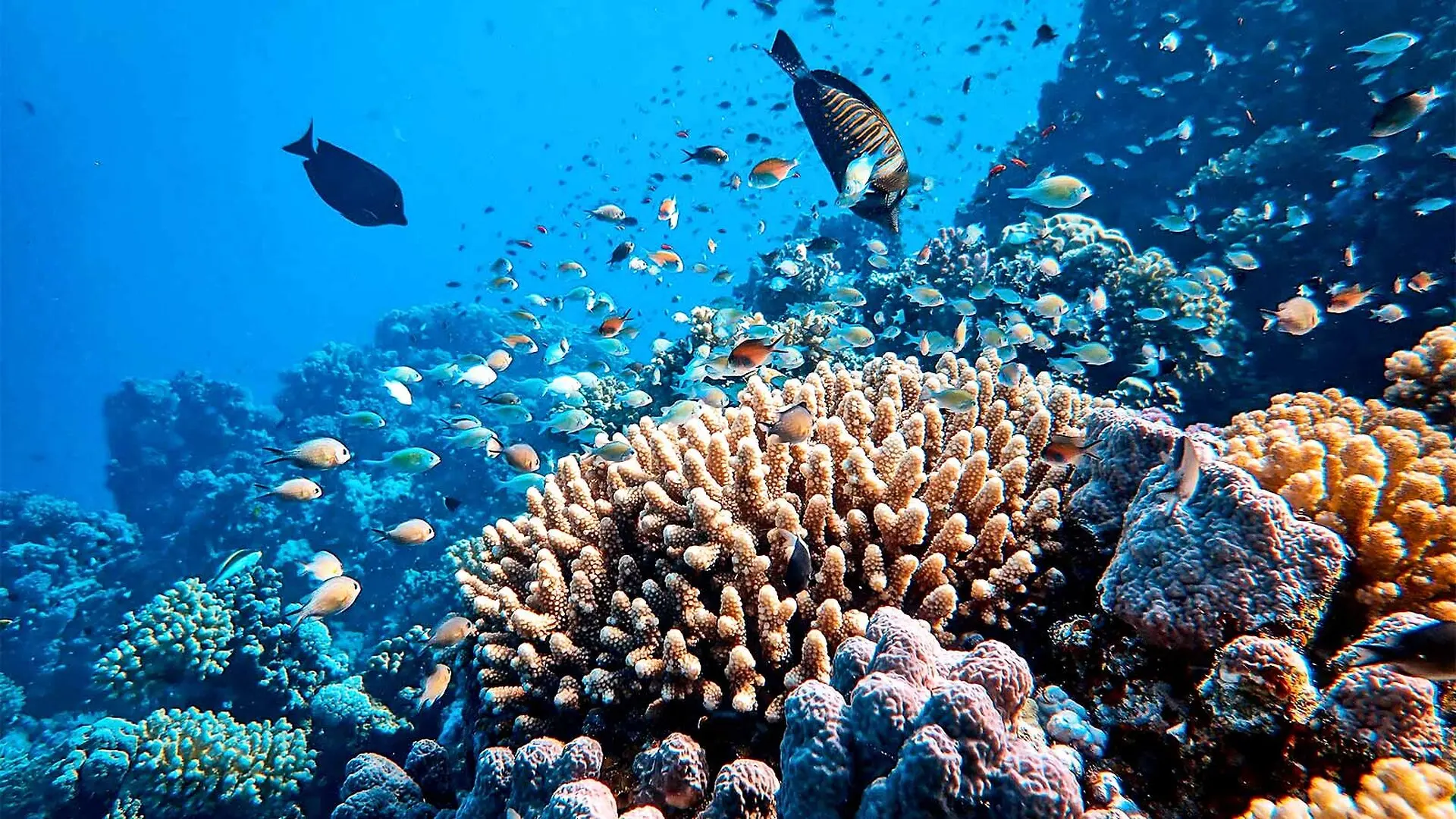
Double Jeopardy: How Disease and Rising Temperatures Devastate Coral Reefs
The survival of coral reefs is increasingly threatened by a synergistic effect between record-breaking ocean temperatures and preexisting disease, according to new research published in the journal Coral Reefs. While scientists have long understood that heat stress drives bleaching and mortality, this study reveals that corals already burdened by infection face a significantly higher risk of collapse when temperatures soar.
The research, centered on observations taken in the Florida Keys during the extreme 2023 marine heatwave, shows that the presence of disease lesions increases a colony’s risk of death by nearly four times. Furthermore, healthy tissue situated adjacent to diseased areas was twice as likely to perish as tissue located in healthier colonies. This suggests that the internal microbiome of the coral is significantly compromised by the compounding effects of heat and pathogens.
During the 2023 heat event, water temperatures in the region exceeded 87 degrees Fahrenheit for 41 consecutive days. This prolonged exposure led to widespread bleaching, a process where heat-stressed coral expels the essential algae residing in its tissues. Without this symbiotic energy source, the exposed skeleton leaves the organism vulnerable to starvation and further infection. The study highlights that certain species, such as the once-abundant elkhorn coral, are suffering catastrophic losses, with experts comparing the decline to a mass die-off of a keystone forest species.
However, the researchers also identified potential pathways for more effective conservation. By utilizing high-resolution 3D mapping, the team discovered that reef topography plays a critical role in survival. Specifically, corals located at the edges of reefs exhibited higher resilience to heat stress. The study authors suggest this is likely due to increased water flow at these margins, which helps flush away metabolic waste and provides better access to nutrients.
“We should be focusing restoration efforts in places where the corals are most likely to survive,” explains Camilla Nivison, a doctoral student at the University of Georgia’s Odum School of Ecology and the study’s corresponding author. “The more water is moving across, the more it’s removing things that are diffusing out of the coral, specifically metabolic wastes. That helps protect the coral tissue, especially when it is stressed by heat.”
The findings also emphasize that while global climate patterns drive the temperature spikes, local environmental management remains a powerful tool. Water quality acts as a major determinant of disease prevalence, meaning that reducing coastal pollution and managing nutrient runoff can directly lower the burden of pathogens on reef systems.
“Water quality protection is a local issue,” says James Porter, professor emeritus at the University of Georgia and coauthor of the study. “These results demonstrate that measures to improve local water quality will also improve coral survival. You can’t change the whole globe, but you can do a lot of work towards mitigating local pollution and improving local water quality.”
As restoration practitioners look to rebuild decimated reef structures, the study suggests that prioritizing site selection—specifically targeting reef edges and areas with better water quality—may offer the best chance for long-term recovery. For researchers who have tracked the steady decline of reefs since the 1970s, these strategies represent a vital opportunity to bolster the resilience of one of the planet’s most critical ecosystems.
This article has been fact checked for accuracy, with information verified against reputable sources. Learn more about us and our editorial process.
Last reviewed on .
Article history
- Latest version
Reference(s)
- Nivison, Camilla L.., et al. “Coral mortality in a mass bleaching event influenced by proximity to diseased tissue and reef topography.” Coral Reefs, July 20, 2026 Springer Science and Business Media LLC, doi: 10.1007/s00338-026-02928-6. <https://doi.org/10.1007/s00338-026-02928-6>.
Cite this page:
- Posted by Divya Iyer