How a Simple Lifebuoy Saved a Passenger After 20 Hours Adrift in the Ionian Sea
Stranded for 20 hours in open water without food or supplies, one survivor credits a simple flotation device for their miraculous rescue at sea.
While Earth is an ocean-dominated planet, the vast expanse of open water remains a hostile environment for the human body. With only 29 percent of the Earth’s surface comprised of land, those stranded at sea face a grueling test of physiology and endurance. Surviving such an ordeal requires far more than staying afloat; it necessitates finding consistent sources of hydration, managing exposure to the elements, and effectively signaling for help. Contrary to popular cinematic tropes, the primary threats to survival are rarely marine predators, but rather the silent, relentless pressures of dehydration and exhaustion.
Rescue at Sea: A 20-Hour Survival Story
A recent incident in the Ionian Sea underscores the critical importance of visibility during maritime emergencies. A 44-year-old passenger from the cruise ship Odyssey of the Seas was recovered by a cargo vessel after spending approximately 20 hours in the water off the western coast of Greece. Reports indicate the passenger intentionally entered the water while the ship was in transit.
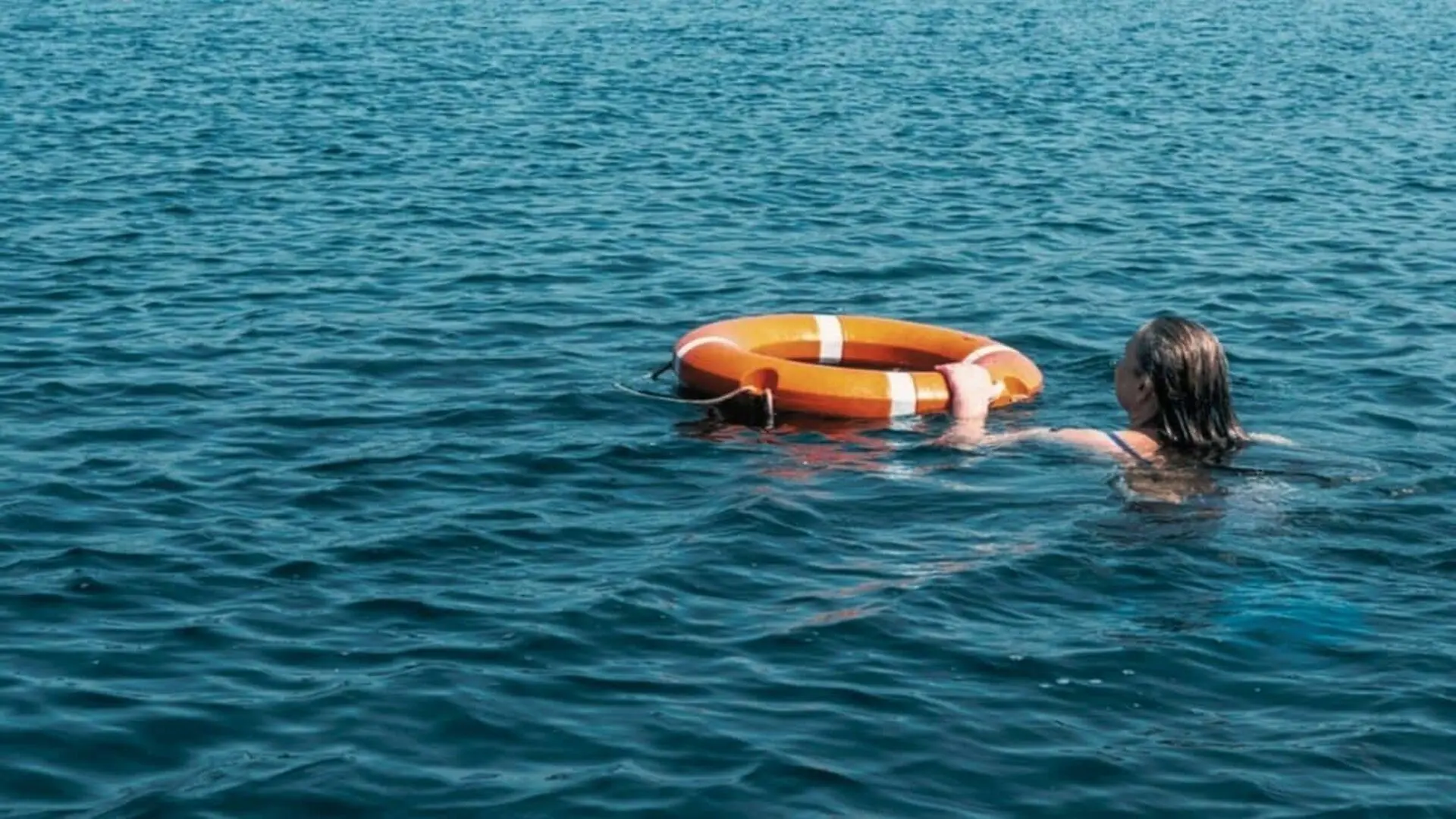
The Hellenic Coast Guard coordinated an extensive search operation, ultimately resulting in the cargo ship spotting the woman. A key factor in her survival was a bright orange lifebuoy, which provided essential buoyancy and ensured she remained visible to search crews, even after nightfall. This equipment prevented the rapid onset of physical collapse that often accompanies prolonged exposure to open, cold water.
The Physiological Limits of Open-Water Survival
Human survival at sea is dictated by a strict hierarchy of needs: freshwater, shelter, nutrition, and signaling capabilities. Access to drinking water is perhaps the most deceptive challenge. While surrounded by liquid, the ingestion of seawater is inherently dangerous. According to the National Oceanic and Atmospheric Administration (NOAA), human kidneys cannot process the high salt concentration of seawater. Attempting to hydrate with it only forces the body to expel even more water to flush out the excess salt, accelerating the process of fatal dehydration.
The dangers of extended exposure were highlighted in a separate August incident involving two Mexican fishermen whose vessel sank in the Pacific Ocean. The men were forced to rely on a makeshift cooler box for flotation, drifting for five days without food or water before being rescued by the Mexican Navy. While their survival was successful, they were reportedly approaching the extreme physical limits of endurance without supplies.
Strategies for Long-Term Endurance
Cases of survival lasting months or even years typically involve survivors who possess tools to collect water or capture food. A notable example is José Alvarenga, who survived over a year at sea by harvesting rainwater and catching marine life by hand. In an interview with National Geographic, medical expert Claude Piantadosi noted that consuming raw turtle or bird liver provided essential nutrients that warded off scurvy, a deficiency disease that historically decimated seafaring populations.
Piantadosi explained that the blood of these animals can serve as a supplementary source of hydration, as it contains a water concentration of roughly 70 percent and lacks the dangerous salt levels found in seawater. However, these methods are survival extremes. For the average person stranded in the ocean, the most effective strategies remain the most fundamental: reducing physical exertion to conserve energy, protecting the skin from UV radiation, and maximizing one’s visual signature to ensure rescue crews can locate them against the vast backdrop of the sea.
This article has been fact checked for accuracy, with information verified against reputable sources. Learn more about us and our editorial process.
Last reviewed on .
Article history
- Latest version
Reference(s)
- Orf, Darren. “A Woman Jumped Off a Cruise Ship and Survived at Sea for 20 Hours. Here’s What Saved Her..”, October 21, 2026 Popular Mechanics <https://www.popularmechanics.com/science/health/a74185659/woman-jumped-off-cruise-ship/>.
- “Only about a dozen of the more than 300 species of sharks have been involved in attacks on humans. Sharks evolved millions of years before humans existed and therefore humans are not part of their normal diets. Sharks primarily feed on smaller fish but some species prey upon seals, sea lions, and other marine mammals..” <https://oceanservice.noaa.gov/facts/sharkseat.html>.
- Lee, Jane. “Surviving More Than a Year Adrift at Sea Is Possible, With a Little Luck.”, February 5, 2014 National Geographic <https://www.nationalgeographic.com/science/article/140203-man-adrift-sea-survival-oceans-medicine-science>.
Cite this page:
- Posted by Divya Iyer