New Fossil Evidence Suggests We May Need To Redefine The Entire Human Family Tree
New research challenges the classification of ancient human relatives, suggesting our family tree is more complex and in need of a significant revision.
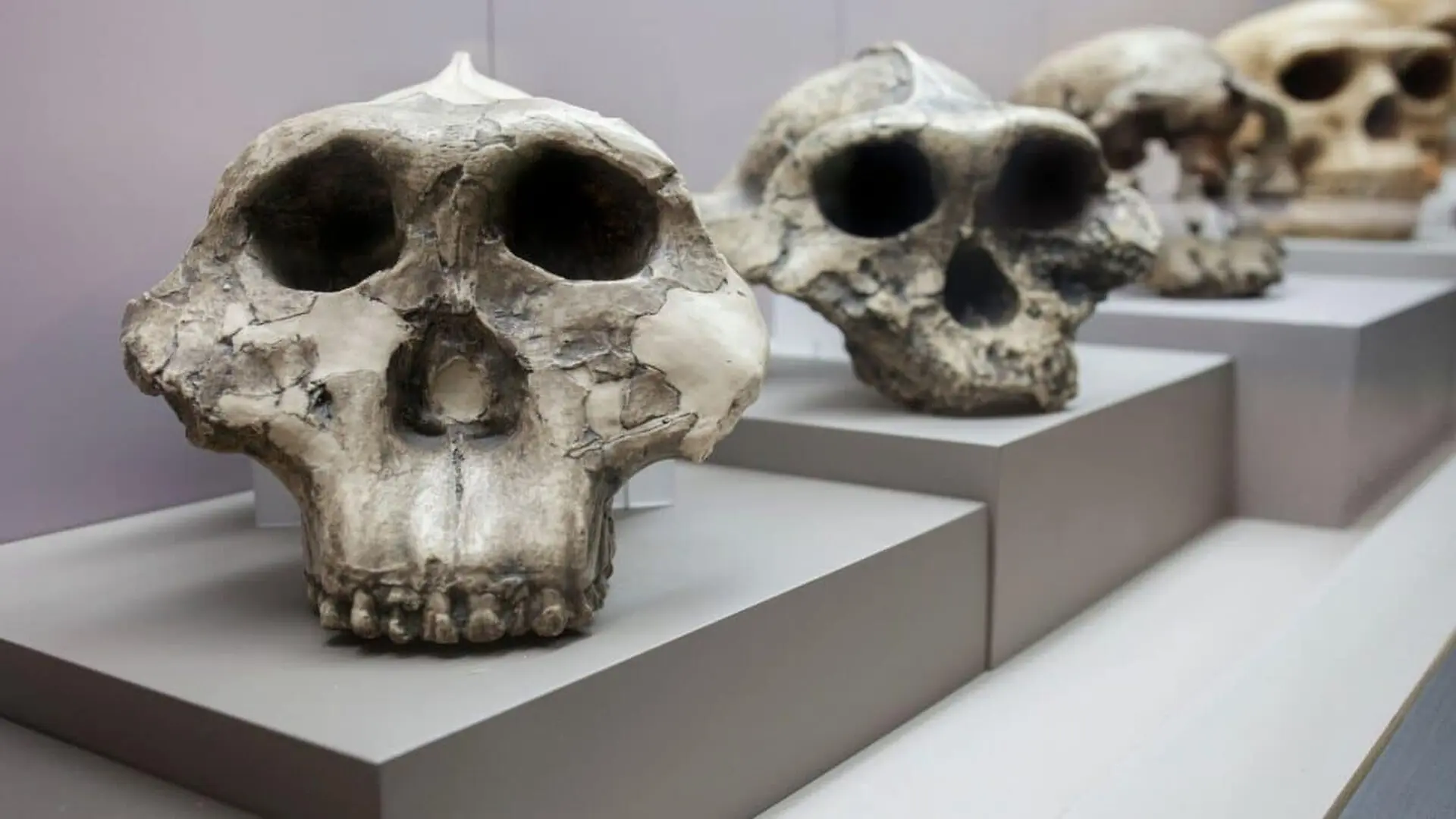
The conventional map of human evolution is under scrutiny, as researchers propose that our family tree may be significantly less partitioned than traditional taxonomy suggests. A new study from Monash University suggests that the long-standing divisions separating Australopithecus, Paranthropus, and Homo may obscure the true, fluid nature of our ancestral lineage.
Redrawing the Human Family Tree
For decades, the standard narrative of human development has relied on a rigid, step-by-step progression from early ape-like ancestors to the Australopithecus genus, followed by early Homo, and finally the emergence of Homo sapiens. However, as paleontologists unearth a richer, more nuanced fossil record, these clean boundaries are becoming increasingly difficult to justify. Many physical and behavioral traits previously thought to be exclusive to a single group are now appearing across multiple, supposedly distinct lineages.
According to research published in the American Journal of Biological Anthropology, the existing classification framework is struggling to keep pace with modern data. Dr. Ian Towle of the Monash Biomedicine Discovery Institute notes that a synthesis of genetic evidence, fossil discoveries, and evolutionary modeling reveals significant overlap between these groups, challenging the idea that they represent separate, isolated branches of the evolutionary tree.
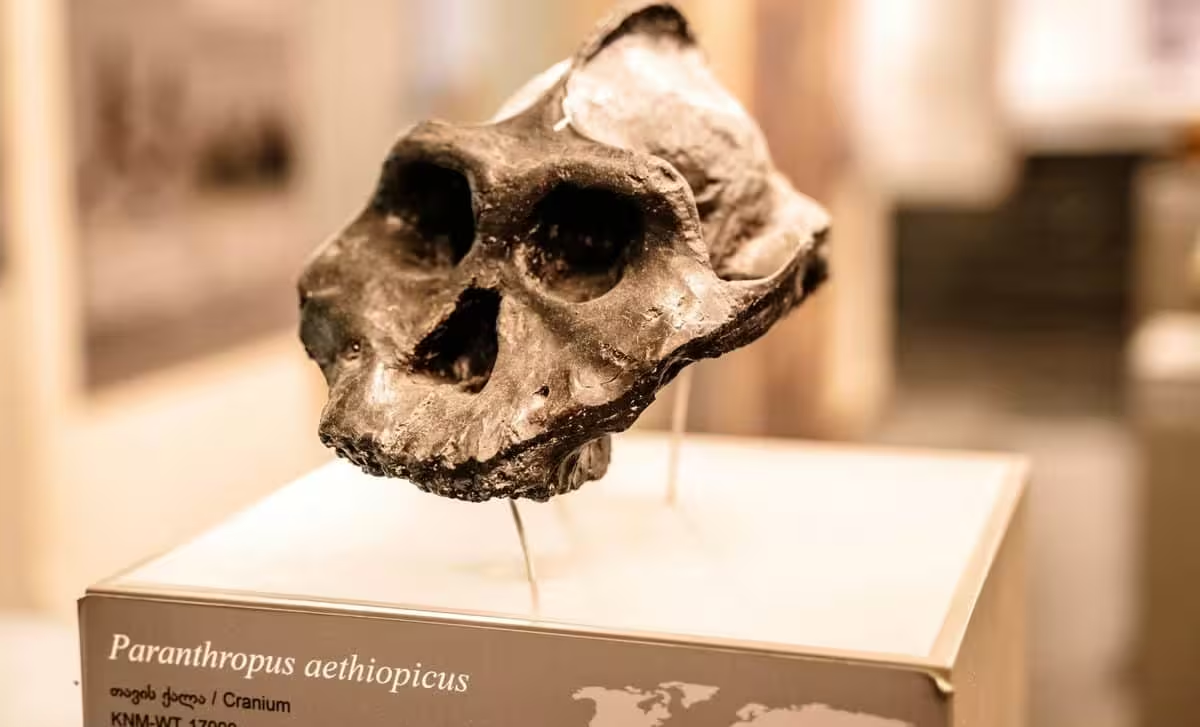
The study highlights how hallmarks of the Homo genus—such as larger cranial capacity and sophisticated tool use—are no longer reliable indicators for separation. Researchers have identified small-brained members within Homo and evidence of complex behavior within both Australopithecus and Paranthropus, further blurring the lines of the current taxonomy. Furthermore, many phylogenetic analyses suggest that Australopithecus is not a complete group descended from a single common ancestor, complicating its status in modern biological classification.
Consolidating Taxonomic Complexity
To resolve these contradictions, Dr. Towle proposes an ambitious reclassification: absorbing Australopithecus and Paranthropus into an expanded Homo genus. By favoring a model that tracks common ancestry—rather than prioritizing isolated variations in ecology or morphology—scientists might achieve a more stable and accurate reflection of hominin history. This shift toward a clade-based approach would theoretically minimize the need for frequent, confusing taxonomic revisions as new fossils are discovered.
While the proposal offers a path toward a more cohesive framework, it is not without its trade-offs. The authors acknowledge that collapsing these groups into a broader Homo genus could sacrifice some granularity regarding the unique adaptive strategies of specific species, particularly those within the Paranthropus group. Ultimately, the study does not present this as a definitive answer, but as a necessary shift in perspective for navigating the complexities of human evolutionary history.
This article has been fact checked for accuracy, with information verified against reputable sources. Learn more about us and our editorial process.
Last reviewed on .
Article history
- Latest version
Reference(s)
- Towle, Ian. “Clades, Grades, and the Genus Problem: A Case for Revising Hominin Taxonomy.” American Journal of Biological Anthropology, vol. 190, no. 4, August 18, 2026 Wiley, doi: 10.1002/ajpa.70344. <https://onlinelibrary.wiley.com/doi/10.1002/ajpa.70344>.
- “Dr Ian Towle.” <https://www.iantowle.com/>.
Cite this page:
- Posted by Elizabeth Taylor