Why This Common Kitchen Staple Is a Lifesaver for Garden Birds This Winter
When winter frost seals the ground, robins struggle to find food. Discover the common kitchen ingredient that provides a vital energy boost for garden birds.
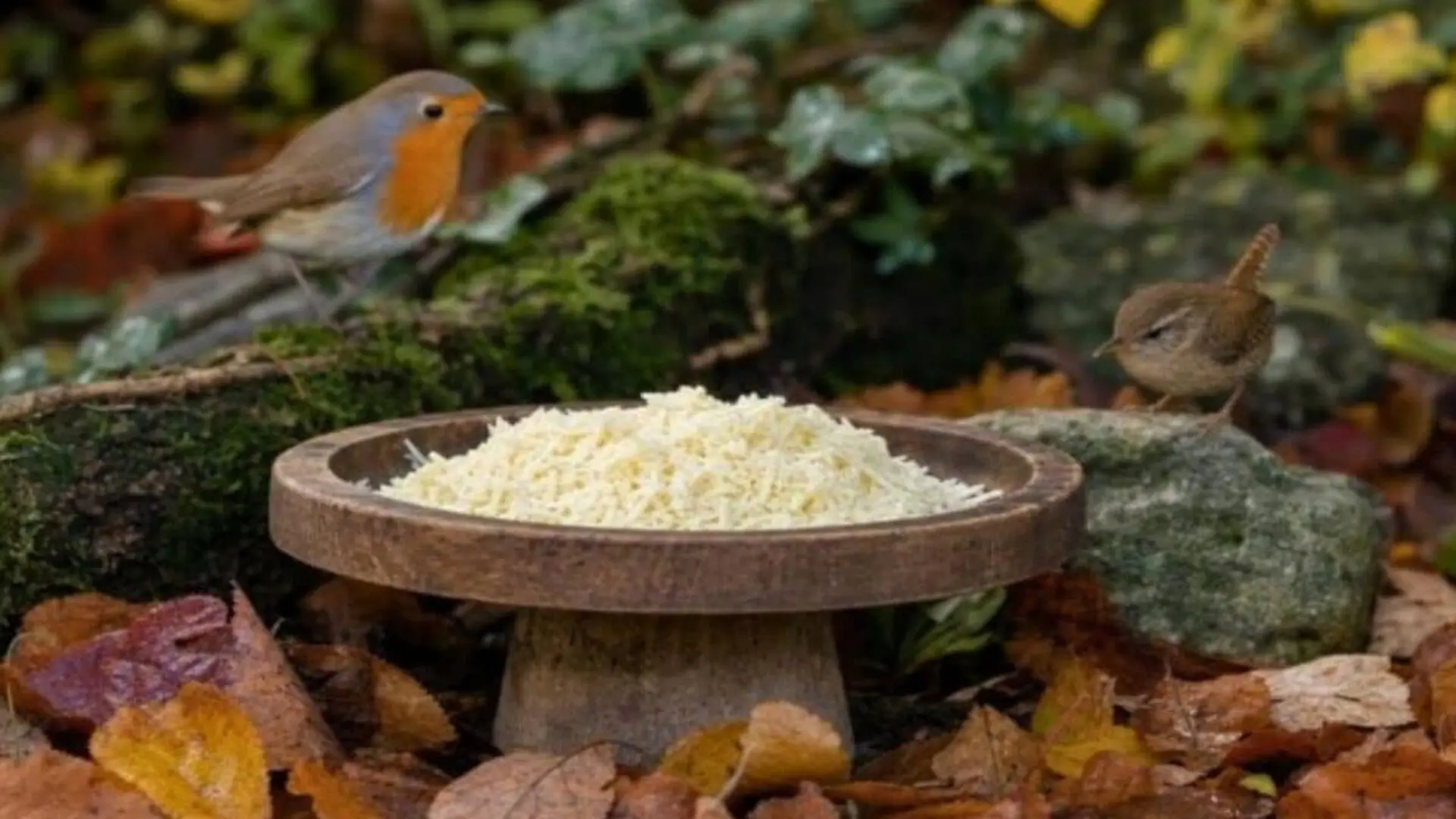
For a bird weighing no more than a single British coin, the arrival of October signals the start of an exhausting endurance test. Wrens, which tip the scales at a mere 10 grams, must survive upwards of 12 hours of darkness, relying entirely on their own metabolism to stave off the lethal effects of northern European winter nights. For robins, the situation is similarly precarious; they can burn through 10 percent of their body mass in a single night just to maintain a stable core temperature.
As soil saturates with autumn rains and frost eventually turns the ground into an impenetrable barrier, the invertebrates that these species rely on—spiders, worms, and beetles—become increasingly elusive. Research shows this environmental pressure is not just theoretical; following the exceptionally harsh winter of 2009-2010, monitoring data from the British Trust for Ornithology revealed a 27 percent decline in the adult robin population and a 20 percent drop in adult wrens.
The Limitations of Conventional Feeders
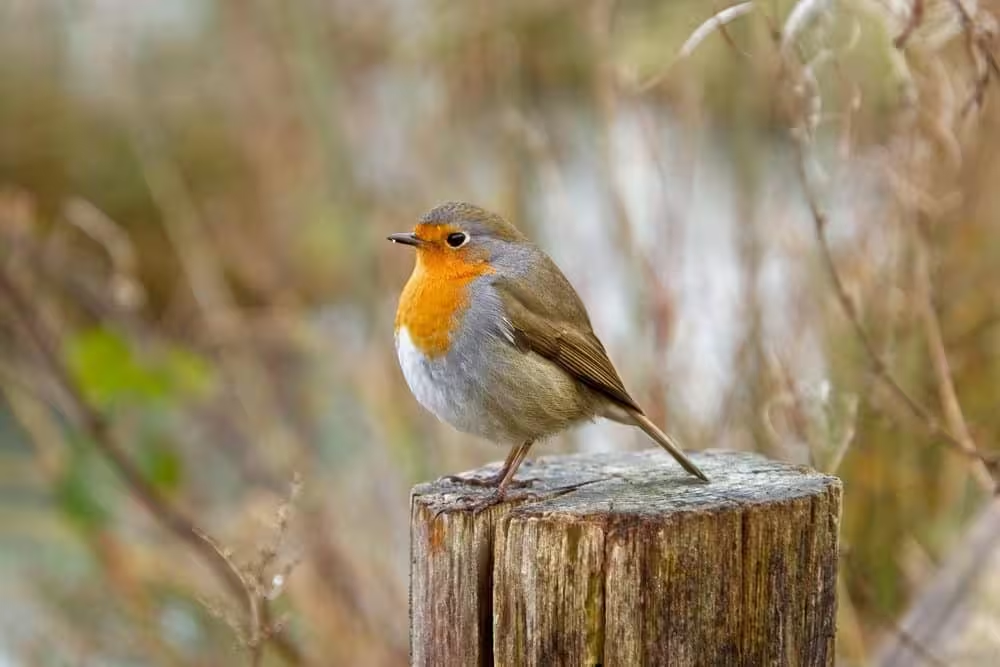
Gardeners often attempt to support local bird populations with hanging seed feeders, yet these structures are frequently ill-suited for robins and wrens. Both species are natural ground foragers, preferring to wait on low perches before dropping onto prey in leaf litter or hedges. Because they do not readily adapt to standard hanging feeders, these birds are disproportionately affected when the soil hardens.
To help them survive, experts suggest providing high-fat, high-energy alternatives. Grated mild cheddar has emerged as a scientifically supported supplement. Unlike milk, which the Royal Society for the Protection of Birds (RSPB) warns can cause fatal digestive distress in birds, mild, hard cheese is easily processed and provides the calorie density needed for survival.
New Protocols for Garden Feeding
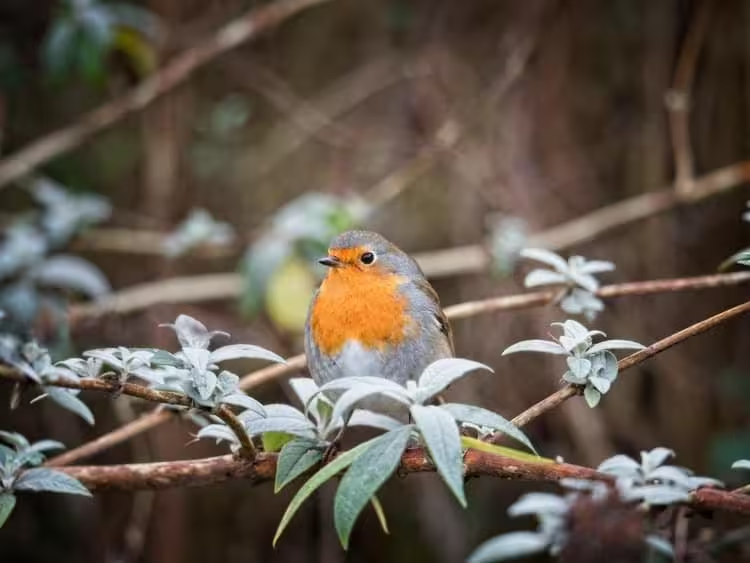
The approach to supplemental feeding has evolved significantly due to concerns over disease transmission, particularly trichomonosis, which has devastated greenfinch and chaffinch populations. As of 2026, the RSPB has updated its guidance to discourage the use of traditional bird tables, trays, and window feeders, which can harbor pathogens from regurgitated food.
For those wishing to provide food, the new standards are precise:
- Direct Ground Feeding: Only mealworms are recommended for direct scattering on the ground, as they are consumed quickly and minimize the risk of attracting rodents.
- Cheese Handling: If offering mild cheese, it must be finely grated to prevent choking. Avoid soft, salty, or moldy varieties, as these can adhere to feathers or cause illness.
- Seasonal Timing: From November 1 through April 30, a wider variety of foods—including suet and fat-based products—can be offered via secure hanging feeders to maintain hygiene.
- Sanitation: Feeders should be cleaned weekly, moved to different locations to prevent waste buildup, and feeding should be suspended entirely for four weeks if any signs of illness appear in the local bird population.
Resilience in the Face of Adversity
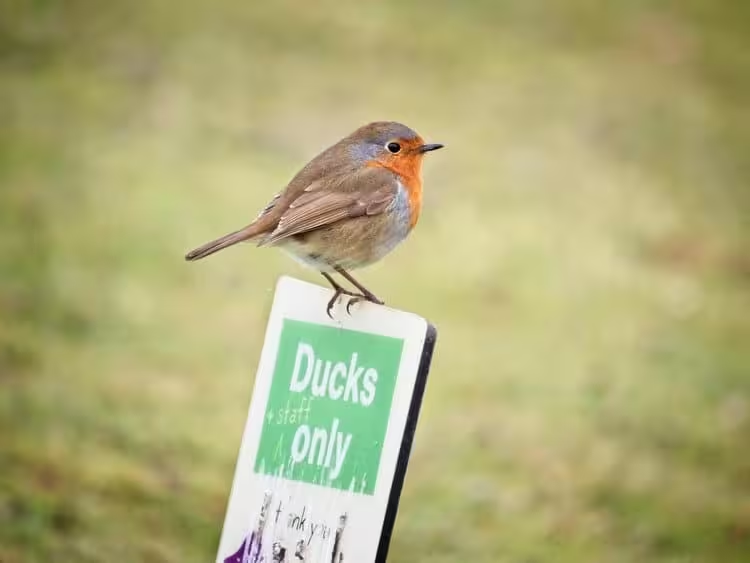
Despite the high mortality rates during extreme cold, these species show a remarkable capacity for recovery. In the breeding season following the 2010 winter crash, robin productivity increased by 22 percent, while wrens saw a 14 percent boost in young. This resilience is bolstered by innate survival strategies; on the coldest nights, wrens have been documented huddling together in nest boxes to conserve body heat, with records showing as many as 63 individuals sharing a single space.
While supplementary feeding remains a vital lifeline, the birds’ ability to leverage natural habitats, such as log piles and dense leaf cover, remains their most effective tool for finding the spiders and woodlice necessary to survive until spring.
This article has been fact checked for accuracy, with information verified against reputable sources. Learn more about us and our editorial process.
Last reviewed on .
Article history
- Latest version
Cite this page:
- Posted by Linda Wilson