Ancient Egyptian Princesses Reveal Bone Evidence of Warrior Training
Study of royal Egyptian princesses’ bones shows injuries and muscle changes hinting at weapons training, archery and martial pursuits at Dahshur.
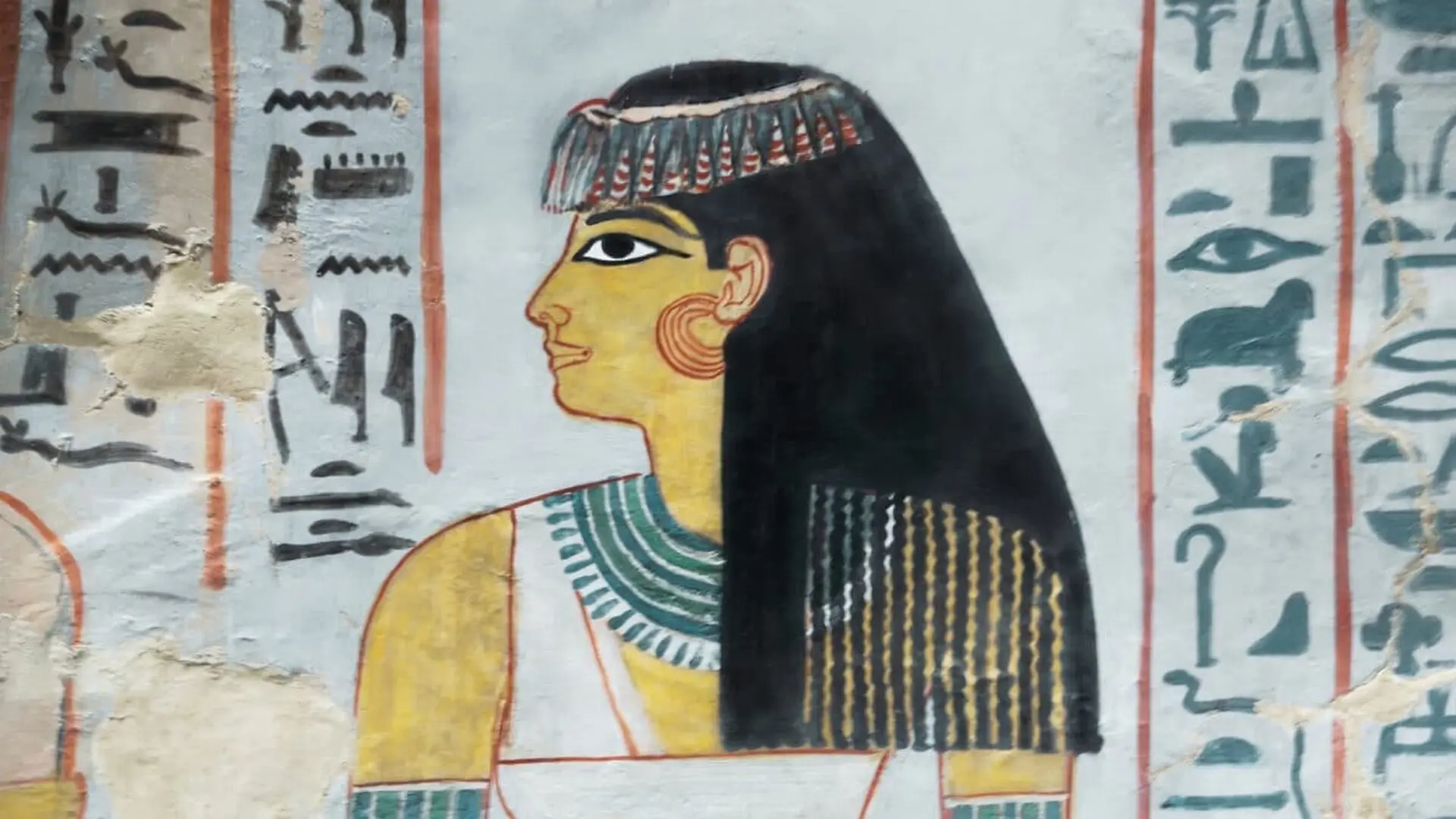
Ancient Egyptian women enjoyed a degree of legal and economic autonomy that set them apart from many of their contemporaries. They could own property, manage businesses, inherit assets, and even transfer possessions after death. Prominent figures such as Sobekneferu and Hatshepsut ascended to the throne, while queens like Tiye and Nefertiti wielded considerable influence in state affairs.
Whether members of the royal elite also engaged in martial activities has long been a matter of debate. Iconography depicting queens triumphing over foes and the presence of weaponry in female tombs hint at a possible military role, yet scholars have argued whether these signs are literal or symbolic expressions of sovereign power.
Unearthing Royal Tombs at Dahshur
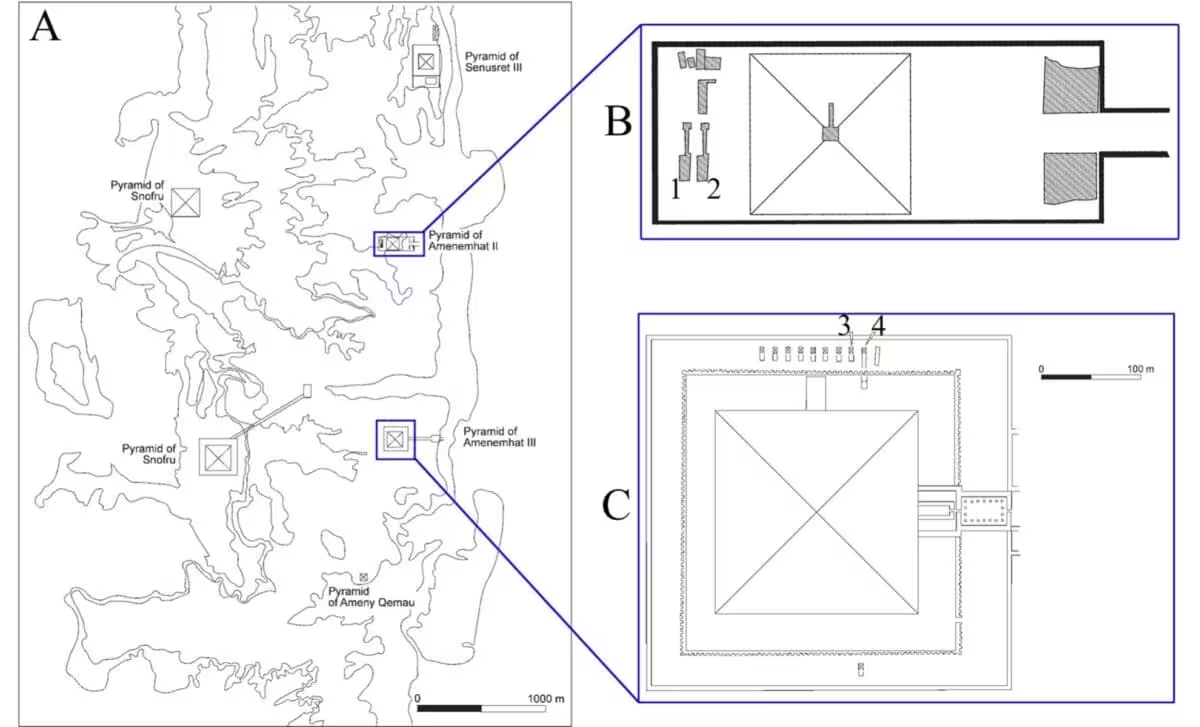
The Dahshur pyramid complex, part of the broader Memphis necropolis, functioned as a burial ground for high‑ranking individuals during the Middle Kingdom. Initial excavations began in 1894 around the pyramids of Amenemhat II and Amenemhat III.
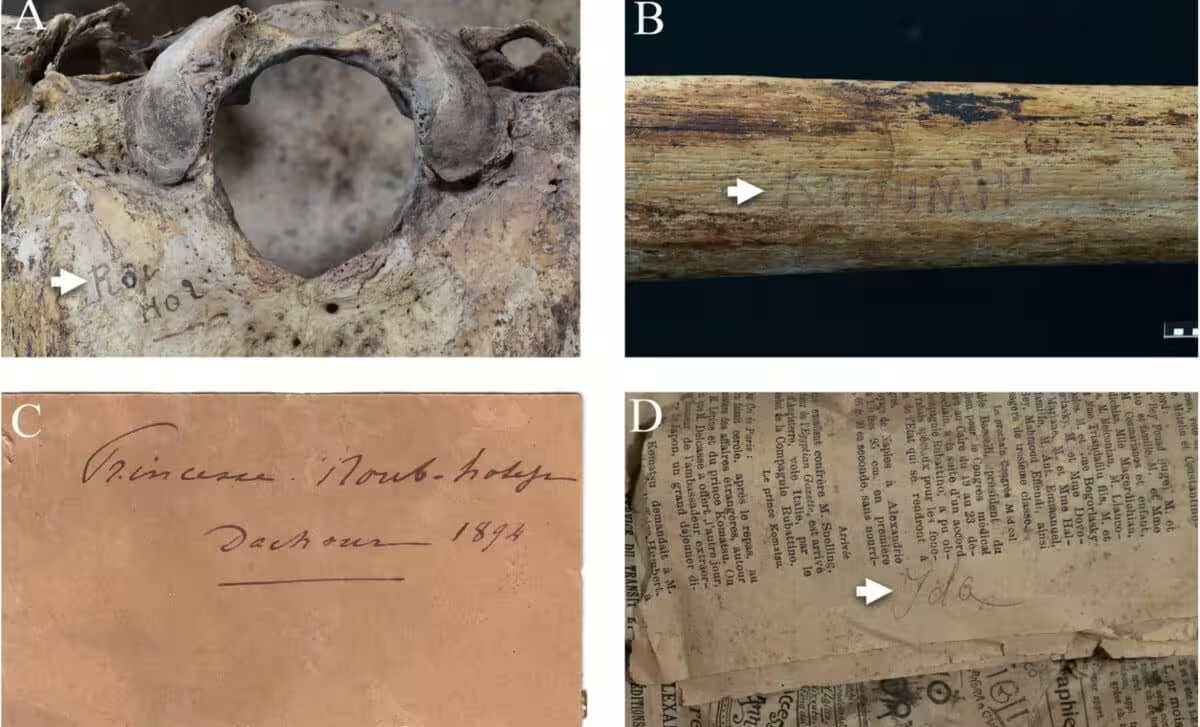
A French‑American team led by Jacques de Morgan uncovered the remains of several royal personages, including the 13th Dynasty king Hor I and Princess Noub‑Hotep. The dig also revealed 12th Dynasty princesses Ita, Itaweret, Khenmet, and a currently unidentified woman who may correspond to Sathathormeryt, all daughters of Amenemhat II.
The burial chambers of the princesses contained bows, maces, staves, and other armaments. In a recent article published in Frontiers in Environmental Archaeology, researchers Zeinab Hashesh, Ahmed Gabr, and Roxie Walker argued that these objects may have served ritual purposes tied to royal authority and Osirian symbolism, while also hinting at actual martial training or combat‑related practice.
For more than a century, the skeletal remains were stored in the basement of the Egyptian Museum in Tahrir before being re‑examined with modern techniques.
Skeletal Evidence Points to Repeated Physical Strain
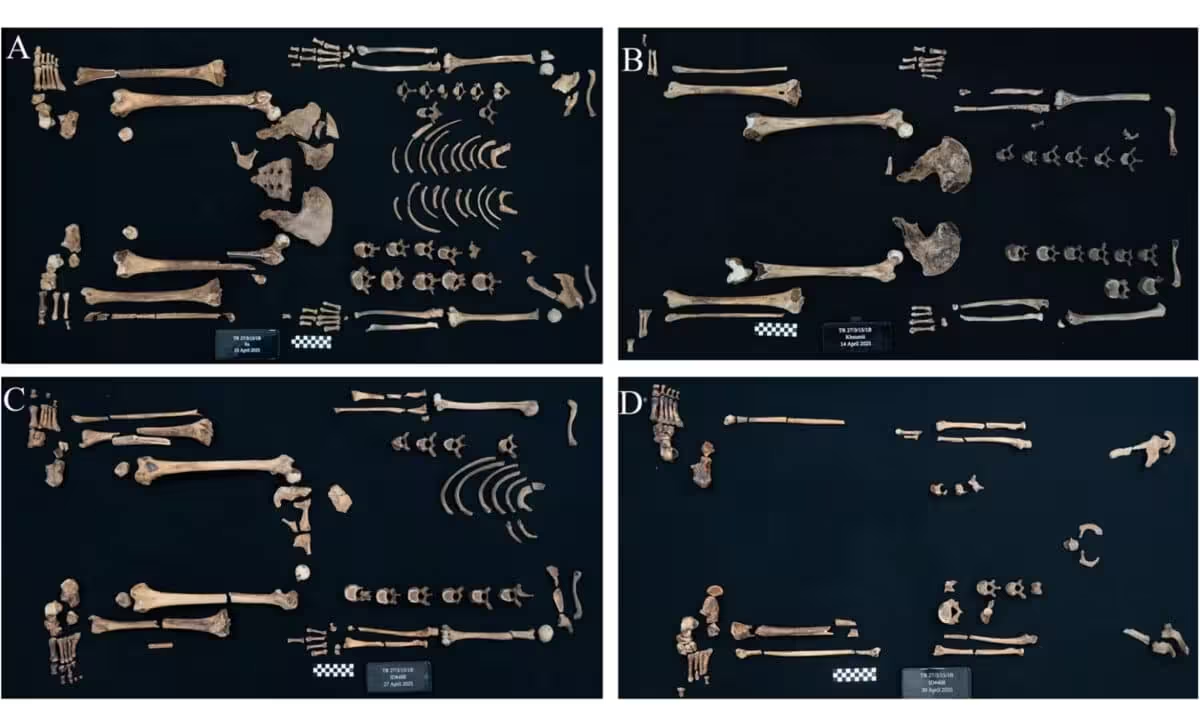
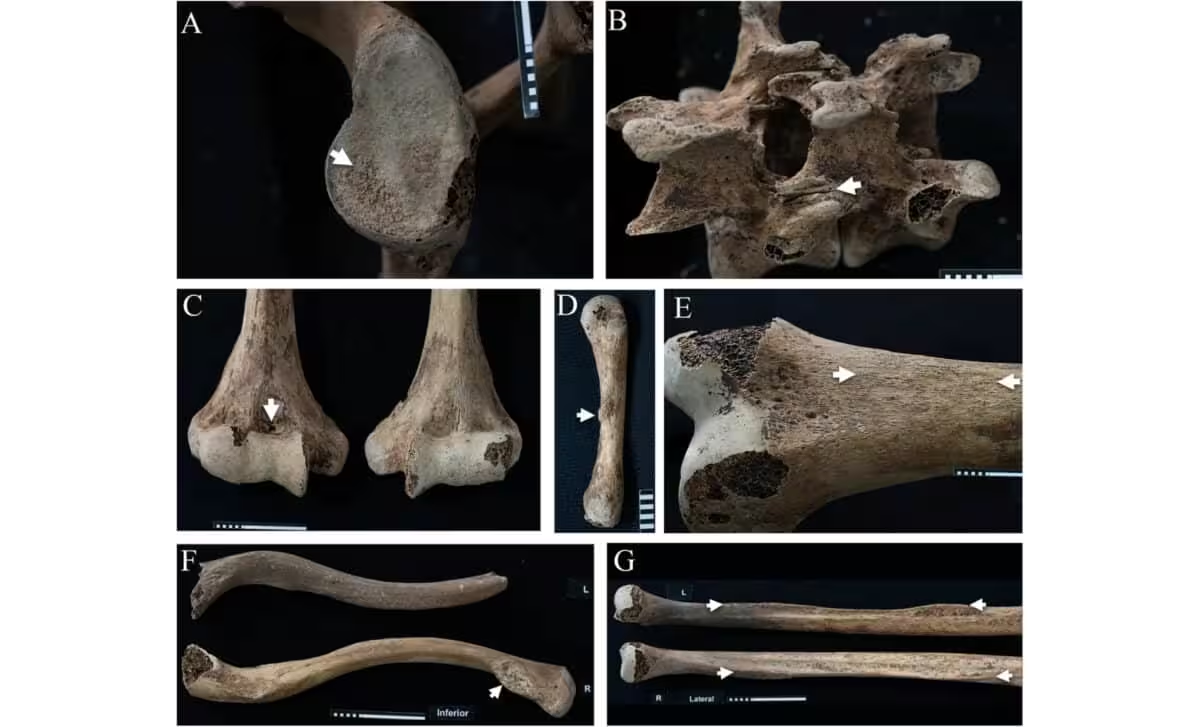
The latest analysis focused on trauma markers preserved in the bones—fractures, muscle‑attachment patterns, and other changes indicative of repetitive stress. Princess Itaweret displayed rib and foot fractures consistent with a chest impact or a severe fall, and her bones showed pronounced muscle attachments in the arms and shoulders, suggesting repeated high‑impact motions.
Princess Noub‑Hotep bore a healed stress lesion on her vertebrae, while Princess Khenmet exhibited abnormal bone formation linked to an inflammatory soft‑tissue injury. Pharaoh Hor I showed comparable lesions, aligning with the physical conditioning expected of a ruler prepared for warfare.
The investigators noted that the trauma patterns differ from those associated with agricultural labor or food processing, instead matching activities that required demanding, skill‑based movements.
Both Khenmet and Itaweret exhibited skeletal signs consistent with repetitive bow‑drawing. Princess Noub‑Hotep was interred with a set of arrows, and the overall bone morphology of the princesses reflects repeated axial loading—force applied along the body’s central axis.
Reevaluating Elite Women’s Physical Roles in Ancient Egypt
These findings challenge the conventional view that combat‑related physical stress was an exclusively male domain in ancient societies. Prior research has often documented higher injury rates among men, linking them to conflict and warfare.
The Dahshur burials, however, suggest that royal women could also partake in physically demanding and technically skilled activities, leveraging their elite status to transcend typical gender expectations.
The authors connect the burial context to royal symbolism: through the title mesu‑nisut, these women participated in concepts of royal renewal and the king’s rebirth, positioning the Dahshur complex as a site of ritual transformation.
While the study does not prove that these princesses fought on the battlefield, the combination of weaponry, trauma patterns, and evidence of repeated movement offers fresh insight into the broader spectrum of activities undertaken by Egypt’s royal women.
This article has been fact checked for accuracy, with information verified against reputable sources. Learn more about us and our editorial process.
Last reviewed on .
Article history
- Latest version
Cite this page:
- Posted by Vikram Desai