Ice Age Rituals Unveiled: Indigenous Australians Burned Grasses in Cloggs Cave
Microscopic plant remains in an Australian cave reveal ancient grass‑burning rituals, uncovering thousands‑year‑old human activity and ceremonial practices.
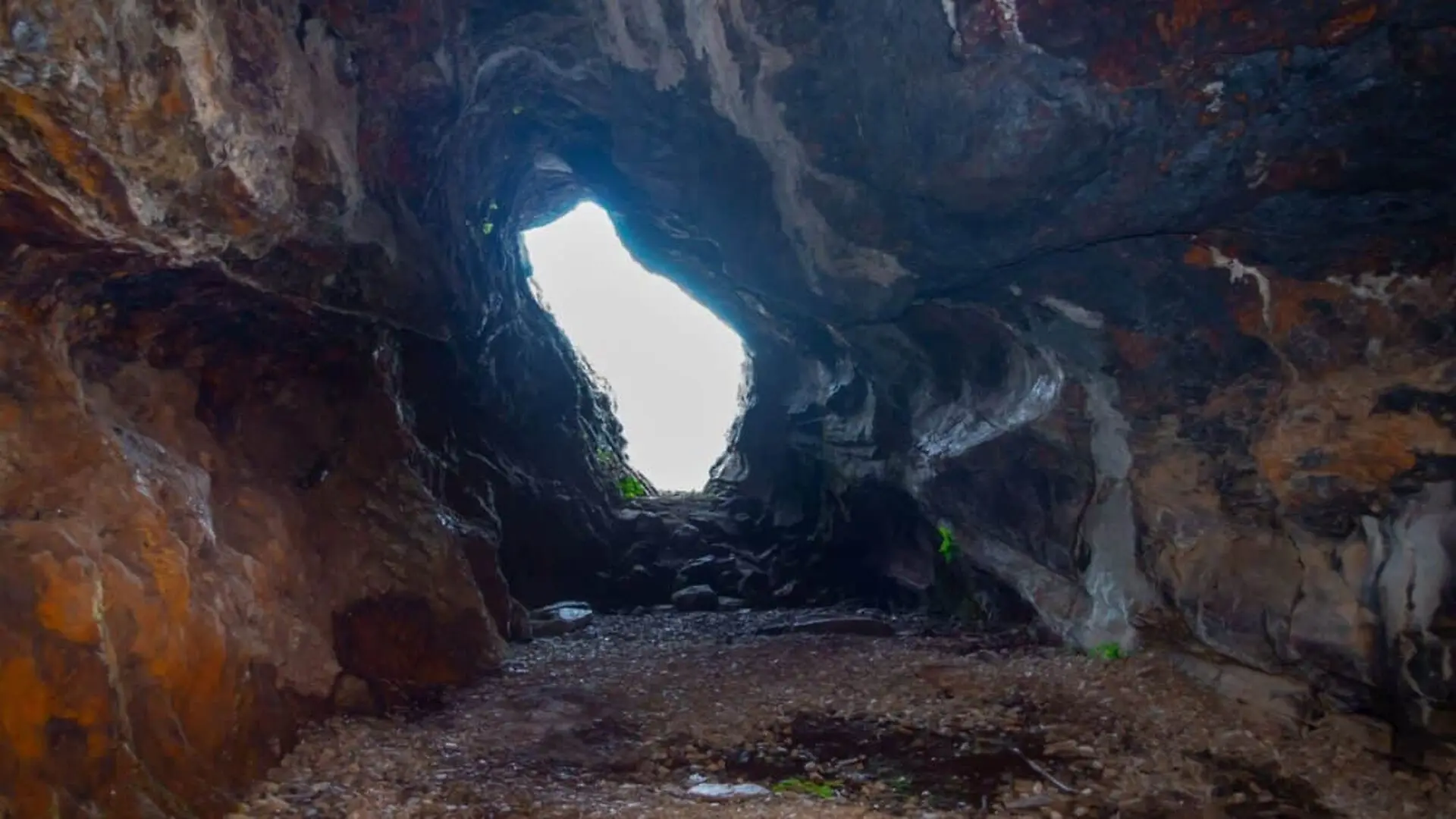
A series of ash deposits sealed within Cloggs Cave in southeastern Australia have provided the first direct evidence that Indigenous peoples deliberately gathered whole grasses, carried them underground, and ignited them as part of recurring ceremonial events spanning several millennia.
Fire‑Ritual Layers Date Back Over Four Millennia
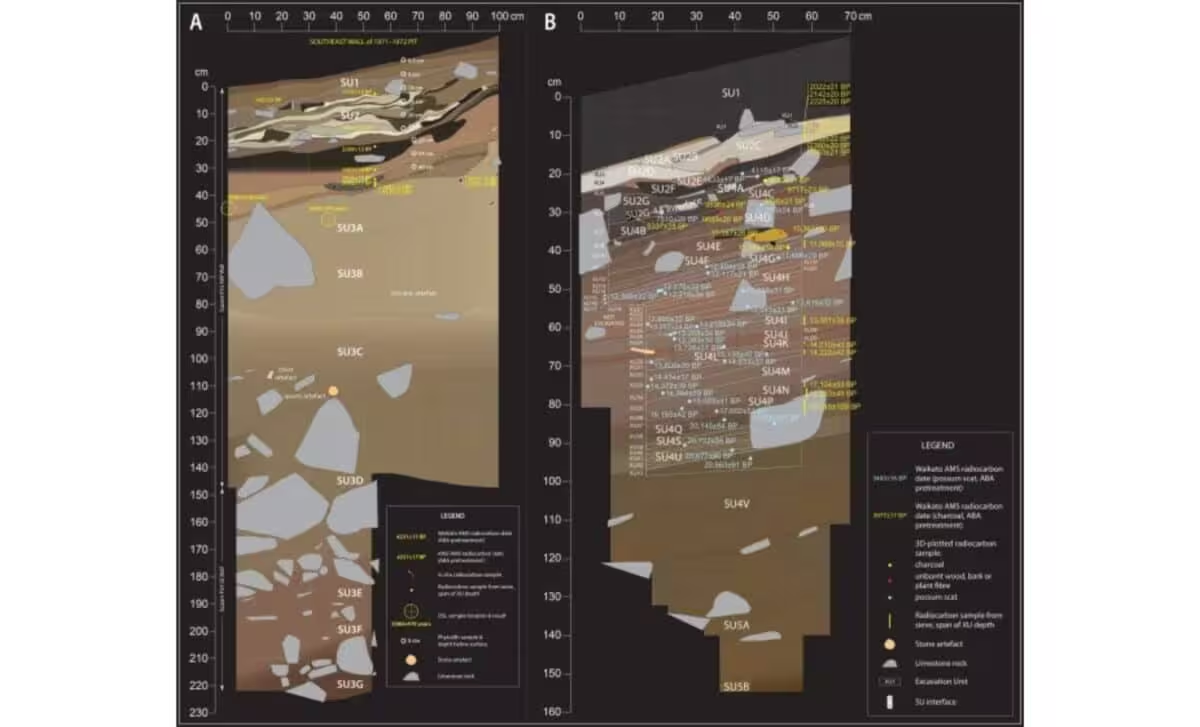
Excavations undertaken in 2019 and 2020 uncovered 73 distinct ash strata embedded in the upper reaches of two pits reaching 1.5 m and 2.3 m below the surface. Radiometric analysis places the earliest of these layers at roughly 4,400 years ago, with the most recent deposits formed around 1,600 years ago. A 28‑centimetre standing stone, dated to about 2,000 years ago, was also recovered, suggesting intentional placement for ritual purposes.
Microscopic Silica Particles Reveal Plant Selections
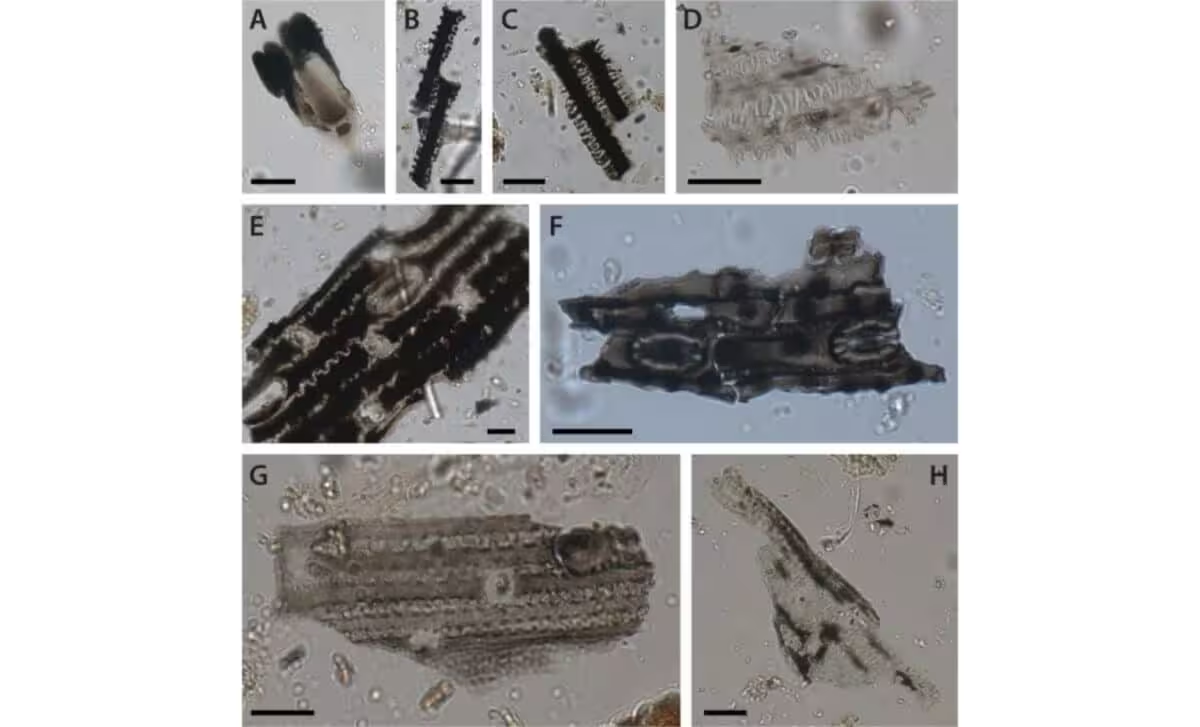
Researchers examined thousands of phytoliths—microscopic silica bodies that persist long after plant tissue decays—to differentiate human activity from natural processes. Unlike pollen, which can travel great distances, phytoliths typically remain close to their source, allowing the team to trace the movement of plant material into the cave.
The analysis identified 29 distinct phytolith morphologies, with grasses accounting for approximately 97 % of the assemblage. The presence of phytoliths derived from stems, leaves, flowers, and roots indicates that entire grass shoots were transported, rather than isolated edible parts.
Among the grasses, specimens from the cool‑adapted Pooideae, the warm‑humid Panicoideae, and the drought‑tolerant Chloridoideae subfamilies were detected, implying that the gatherers selected species from a range of ecological niches, likely sourced near the cave entrance.
Approximately 18 % of the phytoliths displayed signs of combustion or thermal alteration, a pattern that recurs throughout the dated ash layers. This consistency supports the interpretation that successive generations repeatedly introduced and burned plant material within the cave.
Collaborative Research Links Science and Indigenous Knowledge
The study, published in Frontiers in Environmental Archaeology, was led by Dr. Elle Grono of the Australian National University, alongside Professor Bruno David of Monash University. The project brought together scientists from Australia, France, and New Zealand, and was conducted in partnership with the GunaiKurnai Land and Waters Corporation, the custodians of the region.
GunaiKurnai elders contributed oral histories and guided the interpretation of the ash‑related practices, which align with traditional accounts of using ash for magic, healing, and navigation within subterranean spaces.
Additional artifacts—including fat‑coated, trimmed wooden sticks fashioned from Casuarina—suggest that woody plants also played a role in the ceremonial repertoire at Cloggs Cave.
This article has been fact checked for accuracy, with information verified against reputable sources. Learn more about us and our editorial process.
Last reviewed on .
Article history
- Latest version
Reference(s)
- “Elle Grono.” The Australian National University <https://researchportalplus.anu.edu.au/en/persons/elle-grono/>.
- “Bruno David.” Monash University <https://research.monash.edu/en/persons/bruno-david/>.
Cite this page:
- Posted by Vikram Desai