A Driver Used This Rock To Stop His Car Only To Discover It Was A Rare Meteorite
Long overlooked after a failed sale, a mysterious rock has finally been analyzed by scientists, revealing unexpected and surprising results.
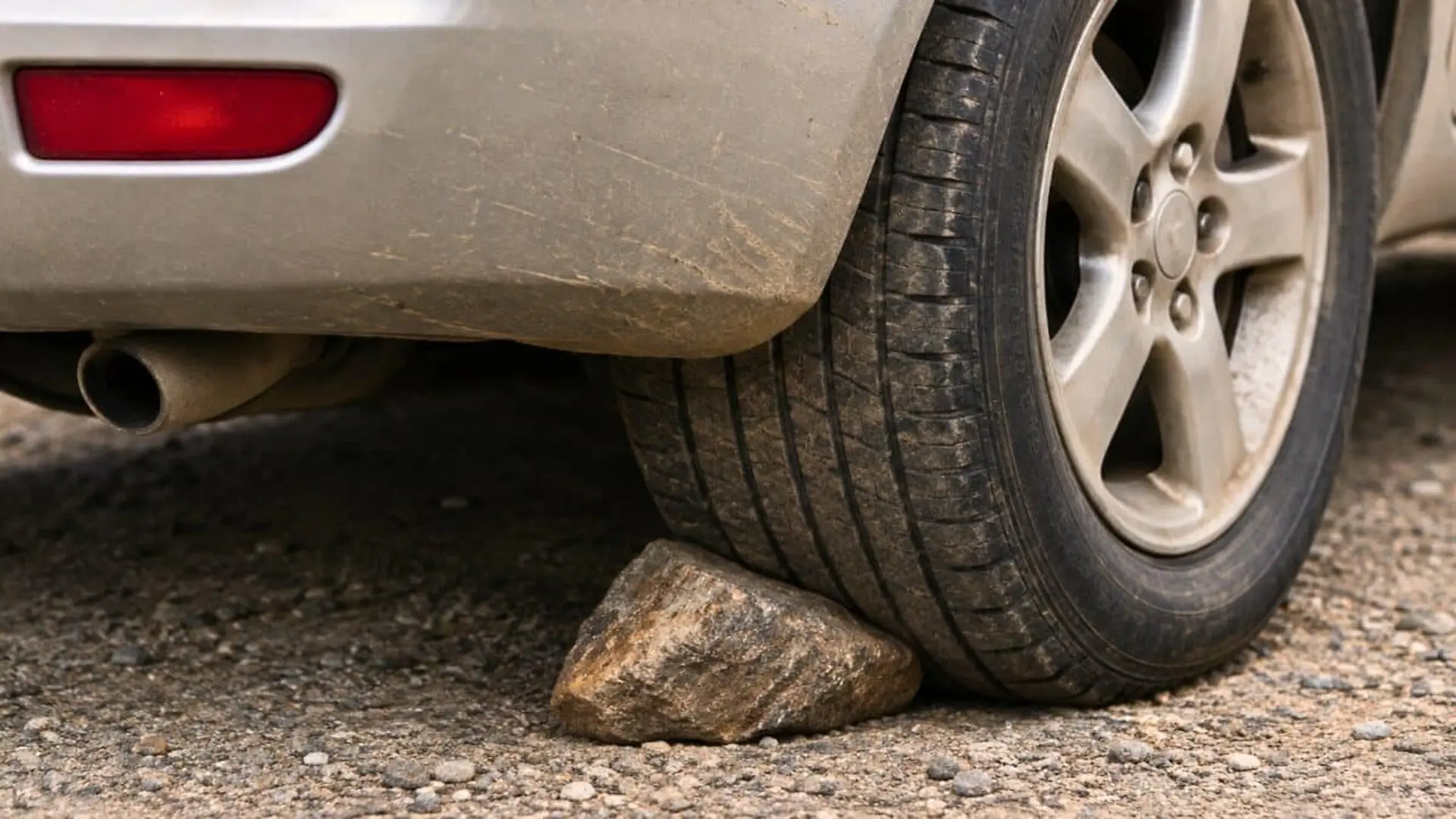
For nearly two decades, an unremarkable, nondescript rock sat quietly in a private collection, its past entirely hidden from view. Before it was identified as a relic from space, the stone had spent its time performing a far more mundane task: acting as a makeshift wheel chock to keep a vehicle from rolling down a steep incline in Russia’s Altai Mountains.
In September 2026, the scientific community officially confirmed that the rock was indeed a meteorite. Known now as Chulyshman, it holds the distinction of being the first meteorite ever documented in the Altai Republic and only the 160th identified across the entirety of Russia, a country spanning one-ninth of the Earth’s landmass.
An Accidental Discovery Along the Riverbank
The journey of the Chulyshman meteorite began in 2005 near the Katu-Yaryk pass, a rugged landscape defined by the Chulyshman River. A traveler, navigating the steep, treacherous descent into the valley, picked up a heavy rock from the roadside to secure his vehicle’s wheels. Recognizing that the stone looked different from the common geological debris in the area, he held onto it rather than leaving it behind.
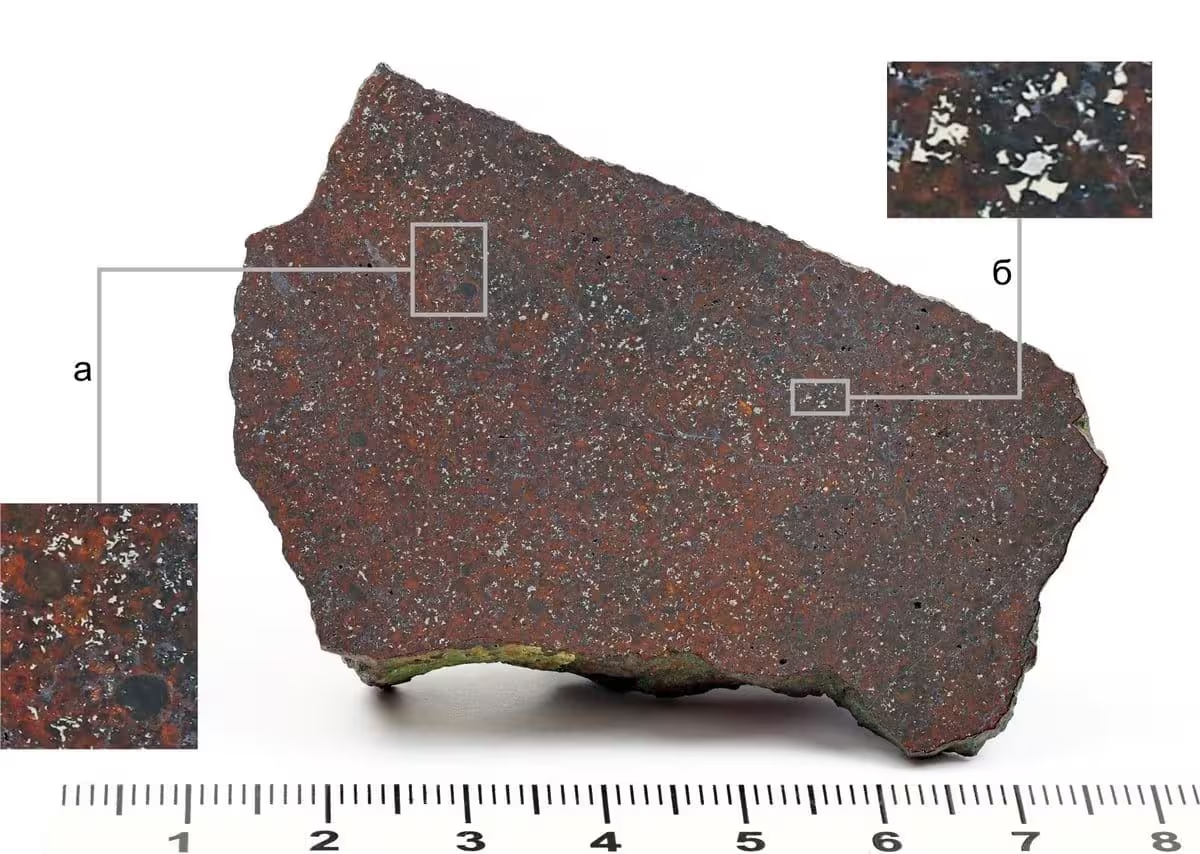
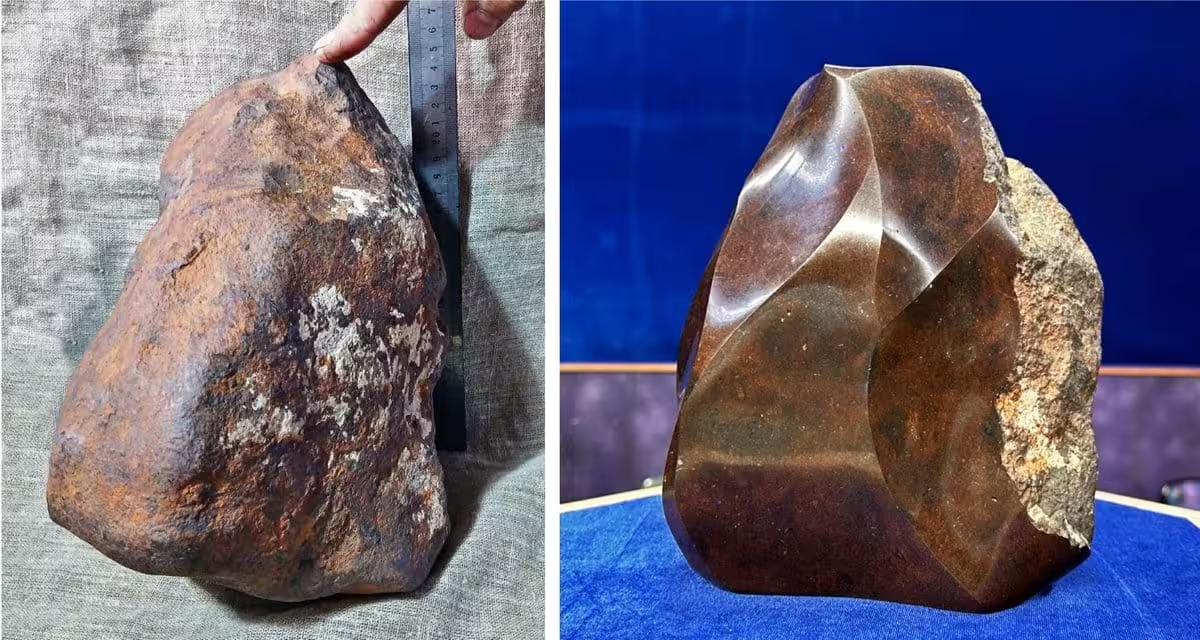
The owner’s attempts to identify the stone were initially thwarted by a fraudulent appraisal, leading him to store the object away for years. It was not until 2025 that he brought the specimen to Viktor Likhachev, director of the Samotsvety (“Gems”) museum in Verkh-Uymon. Suspecting the rock was a stony meteorite, Likhachev initiated a formal investigation.
Advanced Mineralogical Analysis
Researchers at the Institute of Geology and Mineralogy of the Russian Academy of Sciences in Novosibirsk took up the study. Mineralogists Andrey Vishnevsky and Viktor Sharygin performed a rigorous analysis of the stone’s composition, eventually confirming the object’s classification through international standards in September 2026.
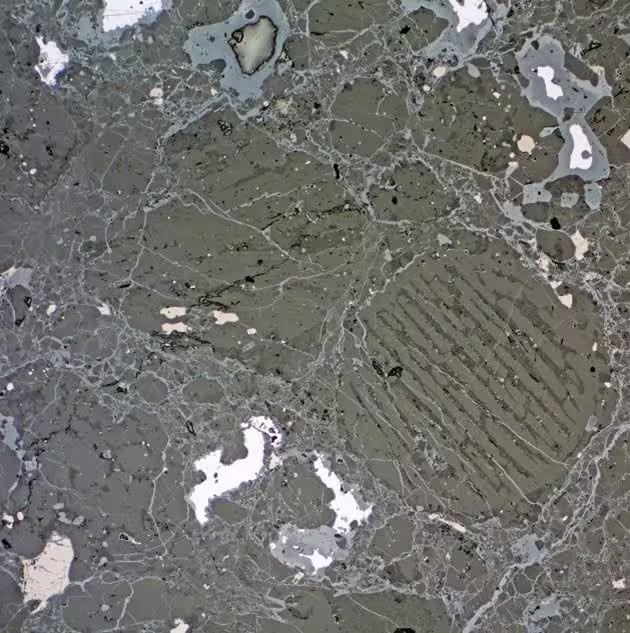
Microscopic inspection revealed that the meteorite is an ordinary H5-group chondrite, characterized by its iron-nickel metal grains and iron sulfide inclusions known as troilite. While ordinary chondrites are the most frequent type of meteorite to impact Earth, this specimen offers a unique look into early solar system history, featuring specific minerals like olivine, pyroxene, and merrillite.
Centuries of Exposure
The specimen shows significant signs of weathering, with iron hydroxides having replaced much of its metallic content over centuries. This deep oxidation process, visible through the goethite-filled cracks that permeate the rock, suggests that Chulyshman sat on the Altai landscape for hundreds of years, if not longer. This extreme aging process masked its extraterrestrial origin, allowing it to blend seamlessly with local river stones until it was serendipitously rediscovered in the 21st century.
Following its identification, the meteorite has been divided for preservation and display. A portion will be housed at the Central Siberian Geological Museum, while the primary mass remains at the Samotsvety museum, serving as a reminder that even the most mundane objects can harbor extraordinary cosmic histories.
This article has been fact checked for accuracy, with information verified against reputable sources. Learn more about us and our editorial process.
Last reviewed on .
Article history
- Latest version
Reference(s)
- “Метеорит «Чулышман». В ИГМ СО РАН изучили первый метеорит, найденный на территории Горного Алтая.” <https://www.igm.nsc.ru/index.php/novost/novosti-geologii/item/3186-meteorit-chulyshman-uchenye-igm-so-ran-izuchili-pervyj-meteorit-najdennyj-na-territorii-gornogo-altaya>.
Cite this page:
- Posted by Vikram Desai