Why No Human Remains Have Ever Been Found Inside The Titanic Wreck
New footage from the Titanic wreckage reveals scattered personal belongings, yet the mysterious absence of human remains raises haunting questions.
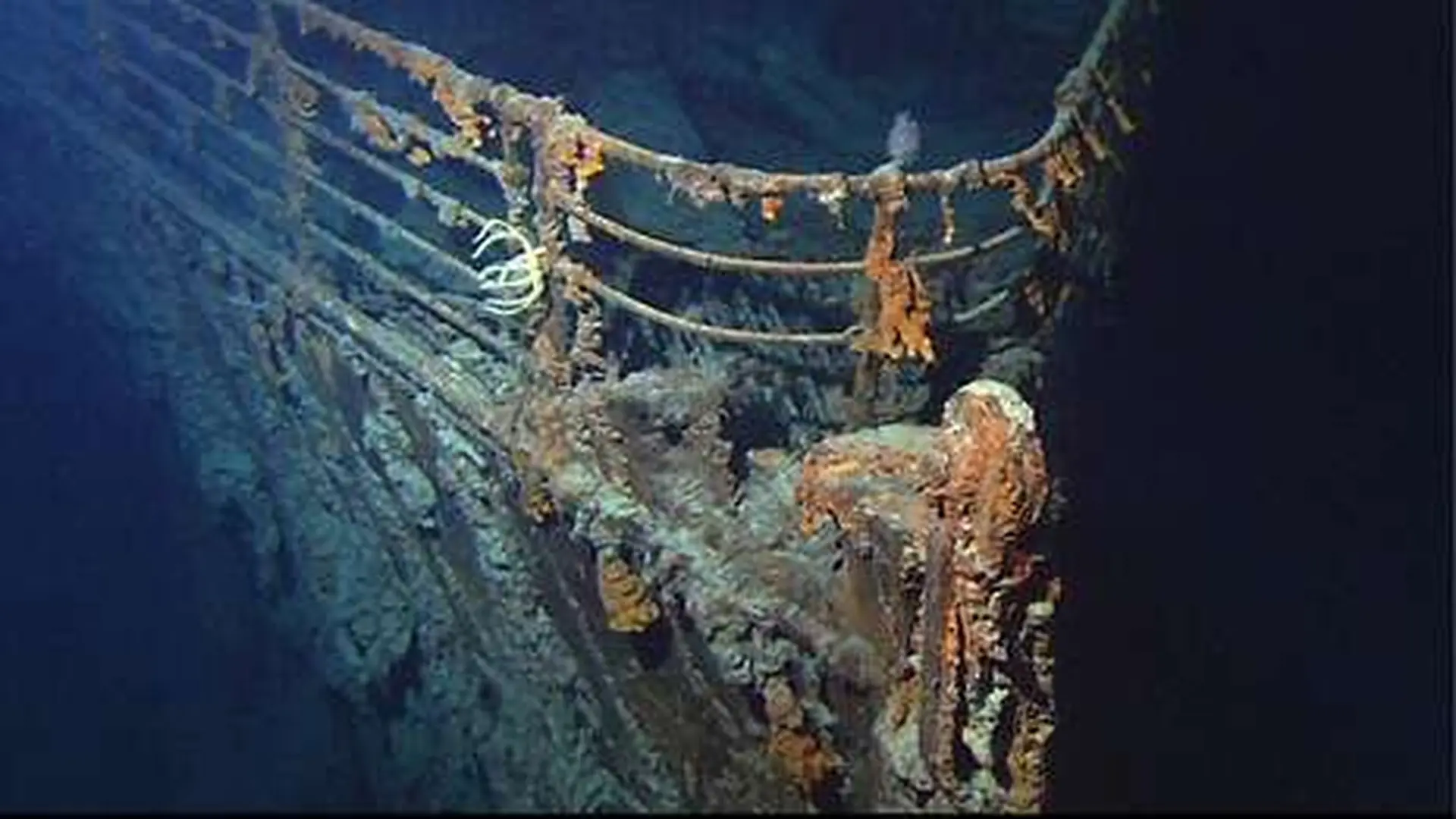
More than 1,500 people perished when the RMS Titanic descended into the depths of the North Atlantic on April 15, 1912. Since the vessel was first located in 1985, explorers have captured thousands of images of the debris field, ranging from personal belongings to scattered garments. Yet, in the nearly four decades of investigation, researchers have never discovered a single human remain.
The total absence of skeletal material is not a mystery, but a consequence of the extreme environmental conditions at 12,500 feet below the surface. A combination of biological consumption and aggressive deep-sea chemistry has effectively erased the physical evidence of those who died with the ship.
Decades of Exploration Yield No Bones
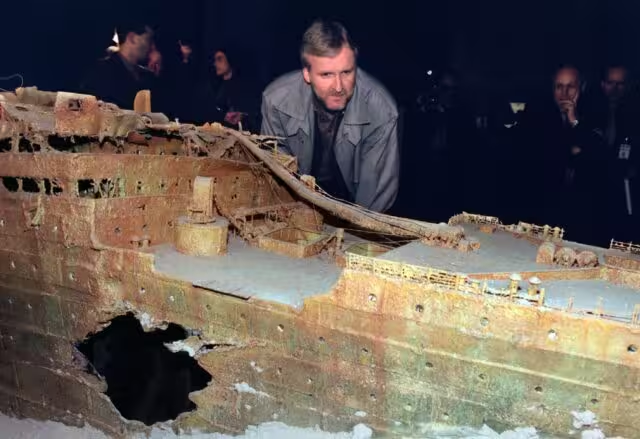
Renowned filmmaker James Cameron has completed 33 dives to the wreckage, spending more time on the site than the ship’s original captain. Throughout his expeditions, he has reported a consistent finding: while he has encountered pairs of shoes and clothing positioned as if a person had collapsed within them, there has never been a trace of bones, teeth, or other biological remains.
Even as advanced submersibles have maneuvered through the vessel’s interior, the wreck remains devoid of human skeletal structure. This lack of remains is particularly striking when compared to much older shipwrecks where bones have historically been recovered. The difference lies in the specific, hostile chemistry of the ocean at extreme depths.
The Ocean’s Role in Dispersal
The primary reason for the absence of remains starts at the surface. A 2003 study published in The Lancet highlights that the majority of victims succumbed to immersion hypothermia in 28-degree Fahrenheit water. Because most passengers were wearing life jackets, many drifted away from the sinking site, scattered by currents and storms long before the ship reached the seafloor.
For those who did descend with the wreck, deep-sea scavengers, including crabs and bacteria, quickly consumed the soft tissues. Once the flesh was removed, the remaining skeleton faced a much more formidable threat: the chemistry of the deep ocean.

Chemical Dissolution at Extreme Depths
Robert Ballard, the oceanographer who led the 1985 discovery mission, has frequently pointed to the calcium carbonate compensation depth as the culprit. This is a specific threshold, roughly 3,000 feet below the surface, where water becomes chemically undersaturated in calcium carbonate, the primary mineral in bone.
At the depth of the Titanic—12,500 feet—the seawater actively dissolves any exposed bone. Maritime archaeologist James Delgado, who has participated in multiple mapping expeditions, notes that after more than a century of immersion, the environment has had ample time to fully break down even the most durable biological materials, including teeth.
Ghostly Markers in the Debris
While no bodies remain, the debris field acts as a haunting record of the tragedy. During a 2004 NOAA expedition, researchers photographed a pair of boots and a jacket lying side-by-side in the silt. For experts like Delgado, such arrangements serve as poignant indicators of where an individual’s final moments occurred, even if the person has long since dissipated into the sediment.
This reality has fueled a long-standing debate regarding how the wreck should be managed. Legislation such as the Titanic Maritime Memorial Act underscores the international consensus that the site is a grave, regardless of the lack of physical remains. It is a location of profound historical significance, where the environment has erased the people but left behind the artifacts of their final journey.
This article has been fact checked for accuracy, with information verified against reputable sources. Learn more about us and our editorial process.
Last reviewed on .
Article history
- Latest version
Reference(s)
- <https://www.thelancet.com/journals/lancet/article/PIIS0140-6736(03)12423-3/fulltext>.
- AP. “Officials: Human remains at Titanic shipwreck site.”, April 15, 2012 Gulf News: Latest UAE news, Dubai news, Business, travel news, Dubai Gold rate, prayer time, cinema <https://gulfnews.com/world/americas/officials-human-remains-at-titanic-shipwreck-site-1.1008619>.
Cite this page:
- Posted by Bilal Abbasi