Scientists Discover Australian Fairy Circles Are Leaking Natural Hydrogen From Deep Underground
Scientists are investigating a mysterious link between Australia’s strange fairy circles and the underground hydrogen leaking from deep within the Earth.
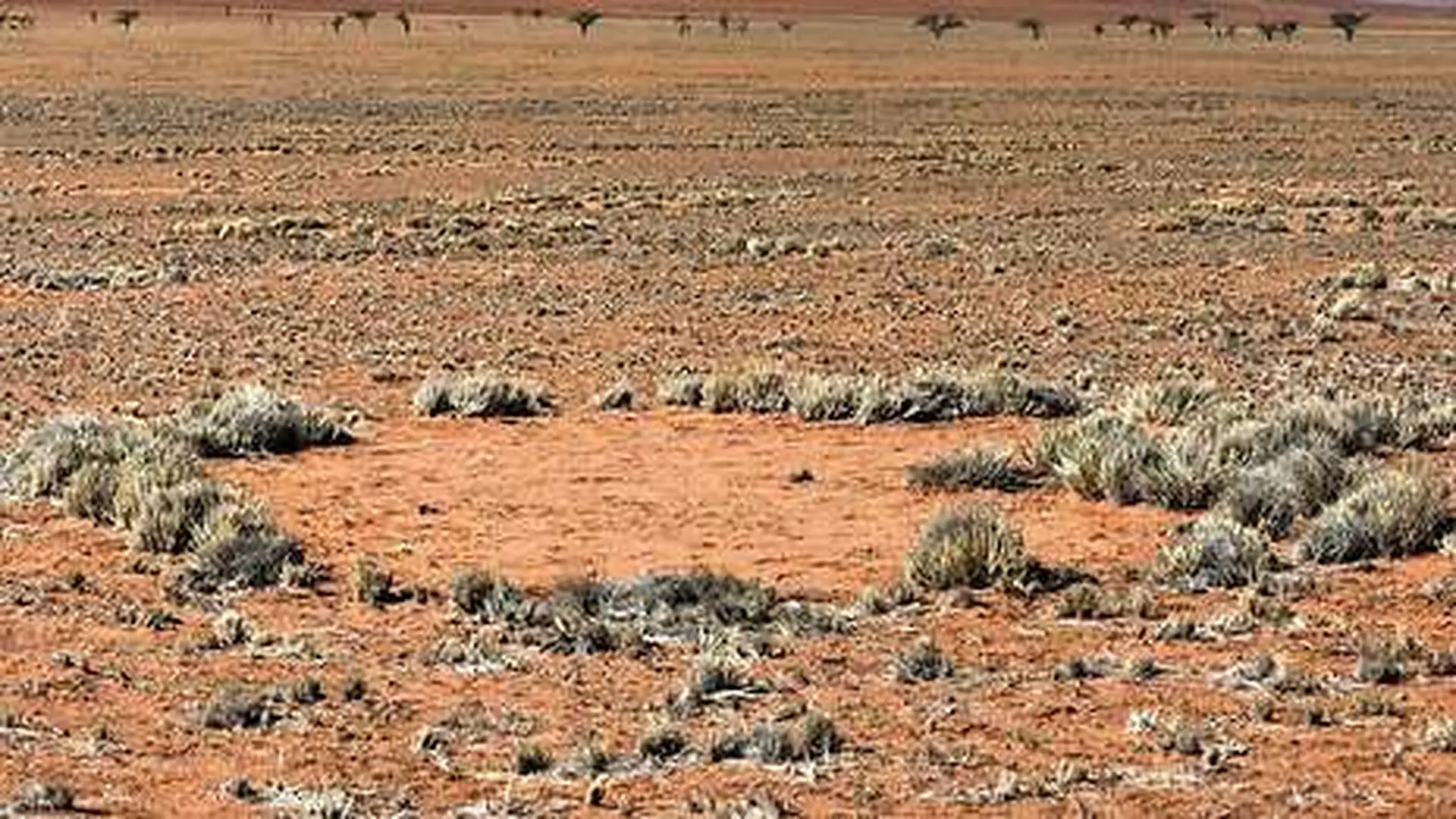
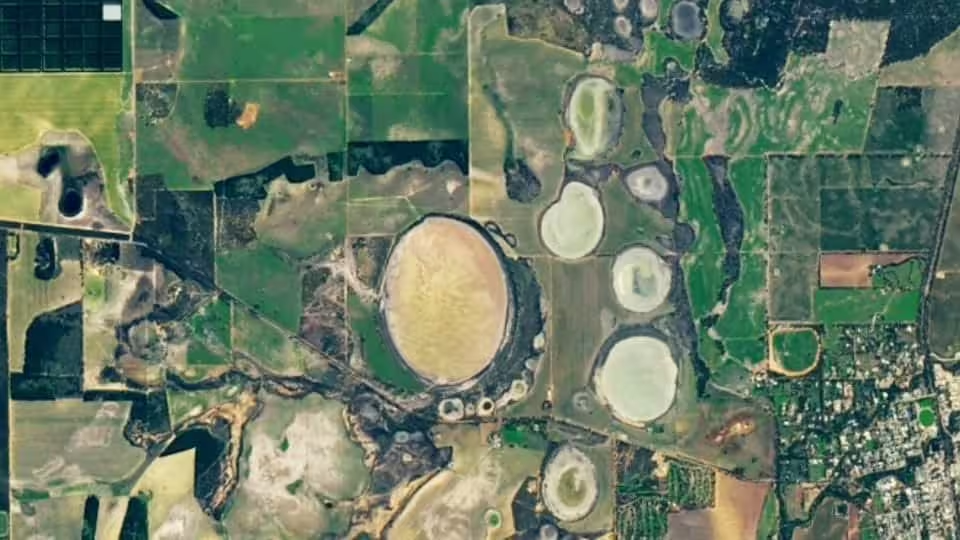
Mysterious, ring-shaped patches of bare soil dotting the landscape of Western Australia have provided a potential breakthrough in the search for natural hydrogen. By analyzing these distinctive “fairy circles,” researchers have confirmed that hydrogen gas is actively seeping from the subsurface, offering a promising new geological indicator for clean fuel exploration.
The investigation, conducted by Australia’s national science agency, the CSIRO, utilized field gas measurements to confirm the presence of the gas. Led by Dr. Ema Frery, the research team found that hydrogen concentrations were notably higher along the perimeter of these circular formations compared to the center, suggesting a link between the surface features and deeper geological activity.
Geological Signposts for Clean Energy
While the presence of these seeps does not necessarily guarantee the existence of large-scale, commercially viable underground reservoirs, it does provide a vital piece of the puzzle. The findings indicate that natural hydrogen is migrating through the crust, and these specific surface patterns may serve as reliable markers for prospectors. Identifying such indicators could streamline the search process, helping scientists bypass expensive and speculative drilling by pinpointing areas where gas is naturally reaching the surface.
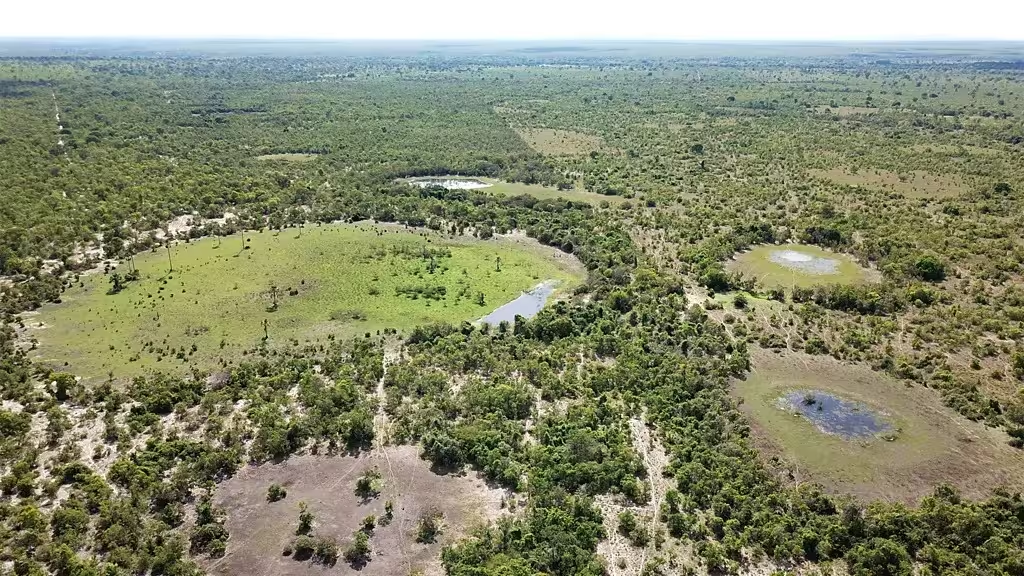
Natural hydrogen is fundamentally different from industrially manufactured hydrogen, as it is generated through deep-seated geological reactions, such as the interaction between water and specific mineral-rich rocks. In Western Australia, the proximity of these circles to the Darling Fault suggests a structural environment conducive to these long-term chemical processes.
Distinguishing Ecological Patterns from Gas Seeps
It is important to note that these formations are distinct from the well-known “fairy circles” found in Namibia, which are largely understood as the result of biological and ecological processes rather than geological gas emissions. The Australian study underscores that not all ring-shaped landscape features share the same origin, and researchers must carefully distinguish between vegetative patterns and those driven by subsurface gas transport.
Current research efforts are now focused on establishing the precise mechanisms that connect these surface expressions to the underlying hydrogen systems. While the discovery is a significant scientific milestone, questions regarding the total volume of gas trapped underground, the viability of extraction technology, and the overall economic feasibility remain subject to further study.
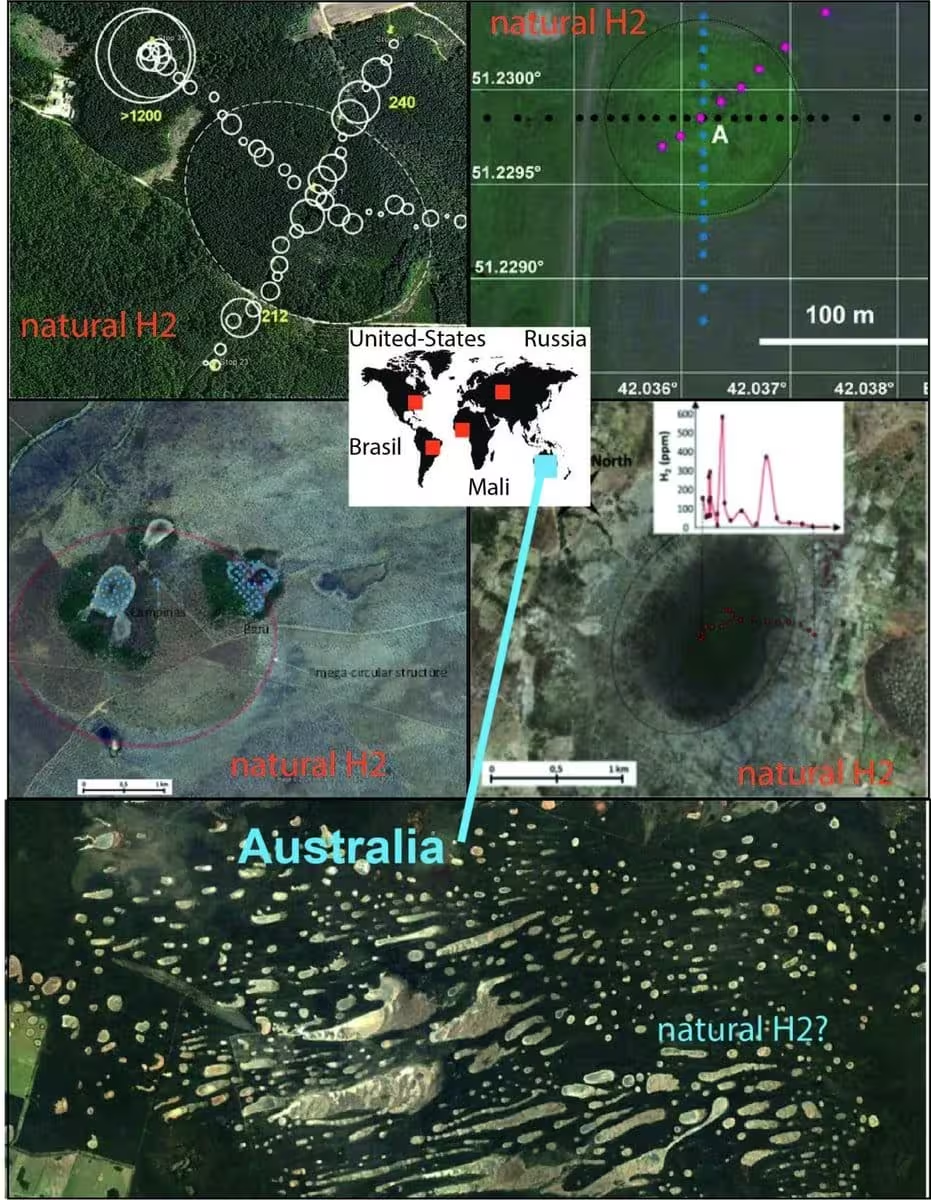
By confirming that hydrogen is indeed migrating through the Earth’s crust in these locations, the CSIRO team has provided a new methodology for mapping potential resources. As exploration continues, these fairy circles may prove to be the most visible evidence of a clean energy future hidden beneath the desert floor.
This article has been fact checked for accuracy, with information verified against reputable sources. Learn more about us and our editorial process.
Last reviewed on .
Article history
- Latest version
Reference(s)
- “Australian fairy circles.”, February 13, 2024 Hydrogen Energy Systems <https://research.csiro.au/hydrogenfsp/australian-fairy-circles/>.
- “Dr Ema Frery.” <https://people.csiro.au/F/E/Emanuelle-Frery>.
Cite this page:
- Posted by Bilal Abbasi