Asteroid Ryugu Samples Reveal How Life’s Ingredients Were Preserved In Deep Space
Ancient dust samples from asteroid Ryugu reveal how nitrogen-rich compounds formed and survived, offering new clues about the origins of life on Earth.
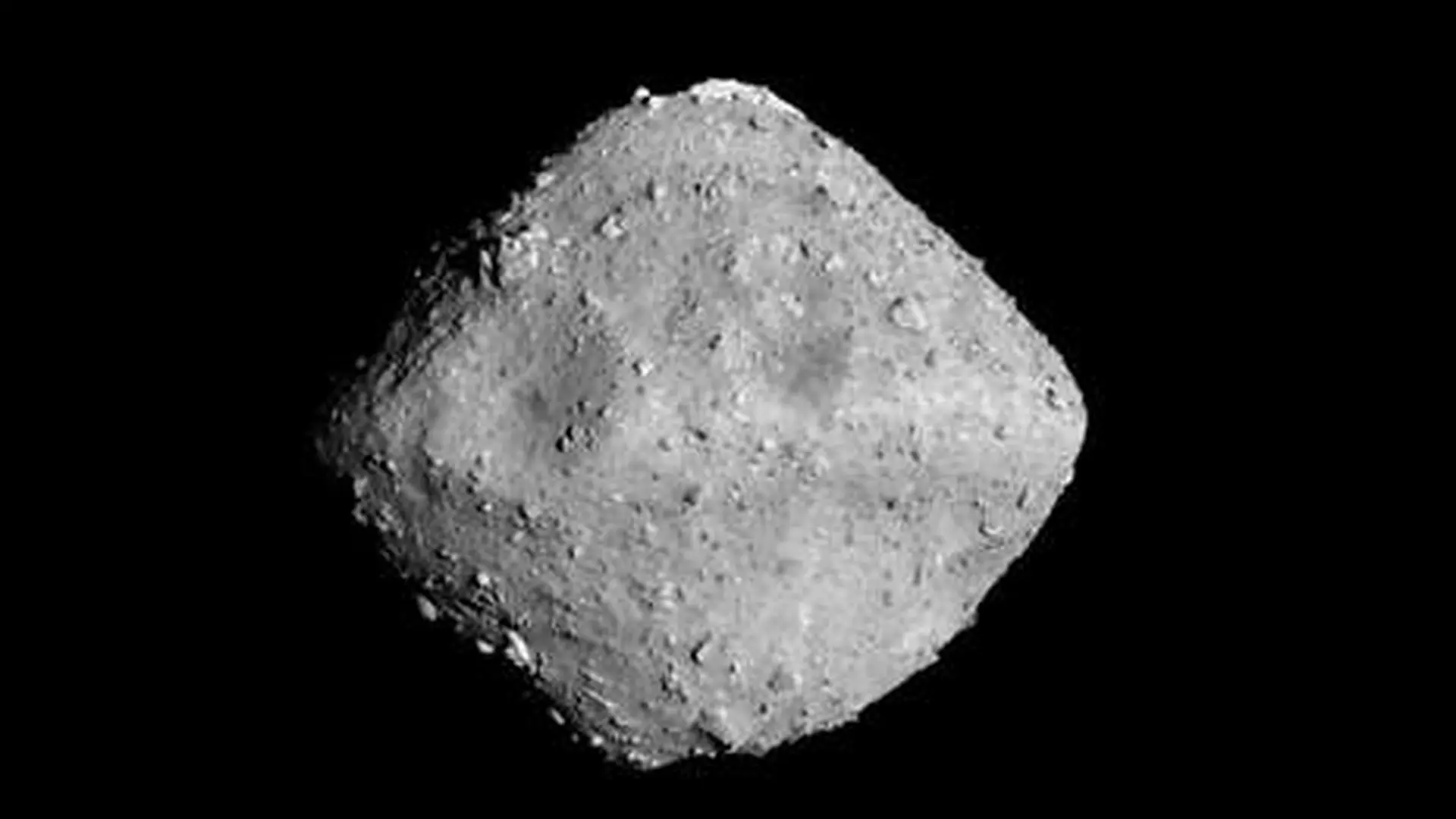
New analysis of microscopic dust grains retrieved from the asteroid Ryugu has provided a breakthrough in understanding how life-essential nitrogen compounds were forged and stored in the early solar system. The research, published in Nature Astronomy and led by Toru Matsumoto of Kyoto University, suggests that ancient asteroids functioned as long-term chemical reservoirs, preserving volatile ingredients that eventually helped seed nascent planets.
Untouched Samples Reveal Prebiotic Chemistry
The study utilizes pristine material brought to Earth by the Japan Aerospace Exploration Agency’s Hayabusa2 mission in 2020. Unlike meteorites, which often suffer from thermal degradation and terrestrial contamination during their fiery descent through Earth’s atmosphere, the Ryugu samples were collected directly from the asteroid’s surface, offering an unadulterated look at its chemical history.
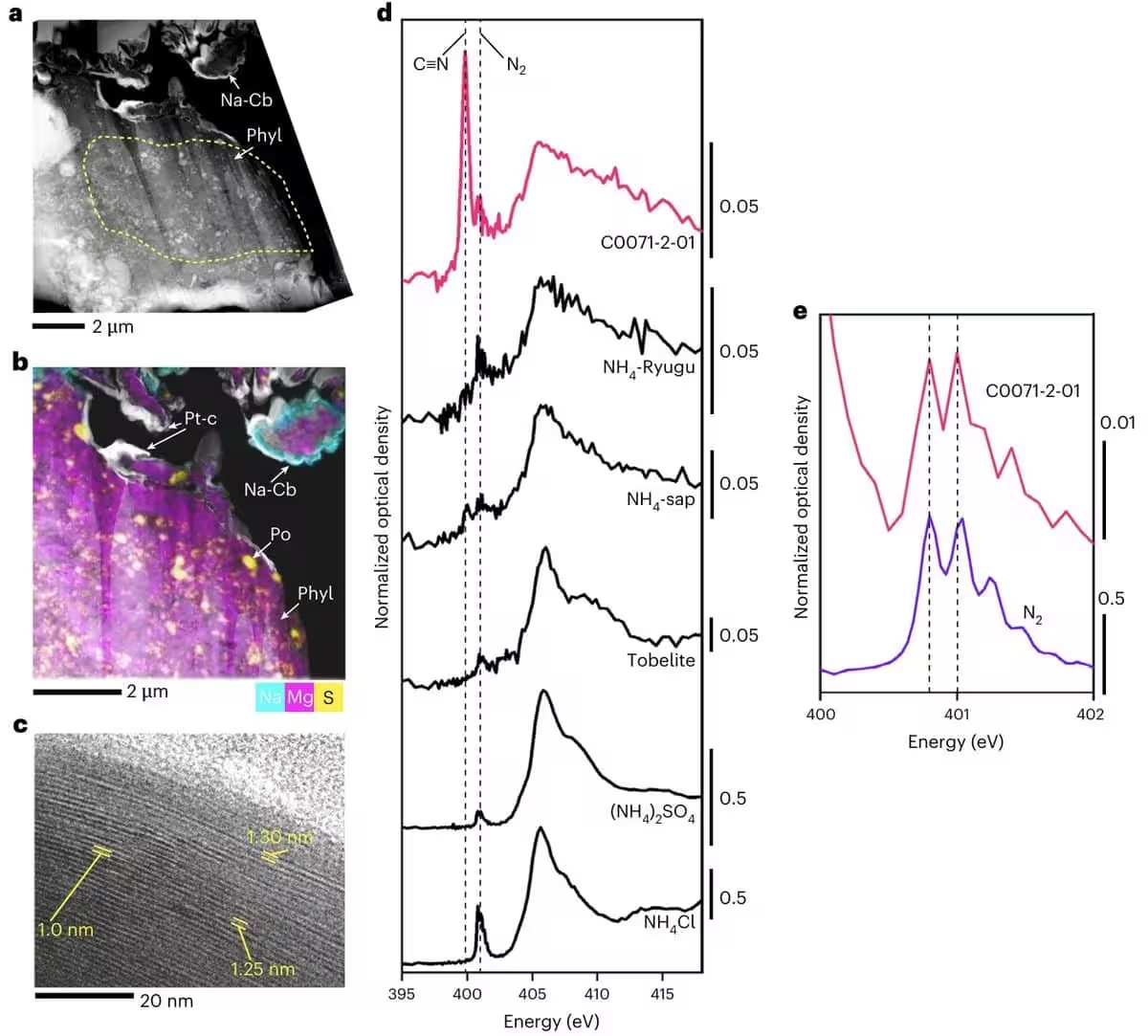
By employing a sophisticated suite of analytical tools—including infrared spectroscopy, X-ray spectroscopy, and electron microscopy—the research team mapped the internal architecture of the asteroid fragments. Their findings identified a complex inventory of nitrogen-based materials, including ammonium trapped within clay minerals, carbon-nitrogen bonded molecules, and crystalline sodium nitrate.
The Role of Water in Chemical Concentration
The spatial distribution of these compounds suggests that internal aqueous activity within the parent asteroid was the primary driver of this chemical enrichment. Researchers observed that nitrogen-rich materials were concentrated in proximity to sodium carbonate—a mineral deposit typically formed during the final phases of water-rock interactions.
This provides a compelling model for how nitrogen, which might otherwise have escaped into space as a gas, was trapped. As liquid water within the parent body evaporated or froze over millions of years, dissolved chemical precursors were forced into concentrated pockets. This long-term, slow-cooker environment allowed for the synthesis of more complex molecular structures, effectively turning the asteroid into a natural laboratory.
Widespread Implications for the Early Solar System
The mechanisms identified in Ryugu align with broader findings across the solar system, particularly the detection of ammonia and nitrogenous compounds on carbon-rich bodies like the dwarf planet Ceres. Furthermore, recent analyses of samples from asteroid Bennu, returned by NASA’s OSIRIS-REx mission, have confirmed the presence of similar ammonium-bearing clays, pointing to a consistent chemical evolutionary pathway across different asteroids.
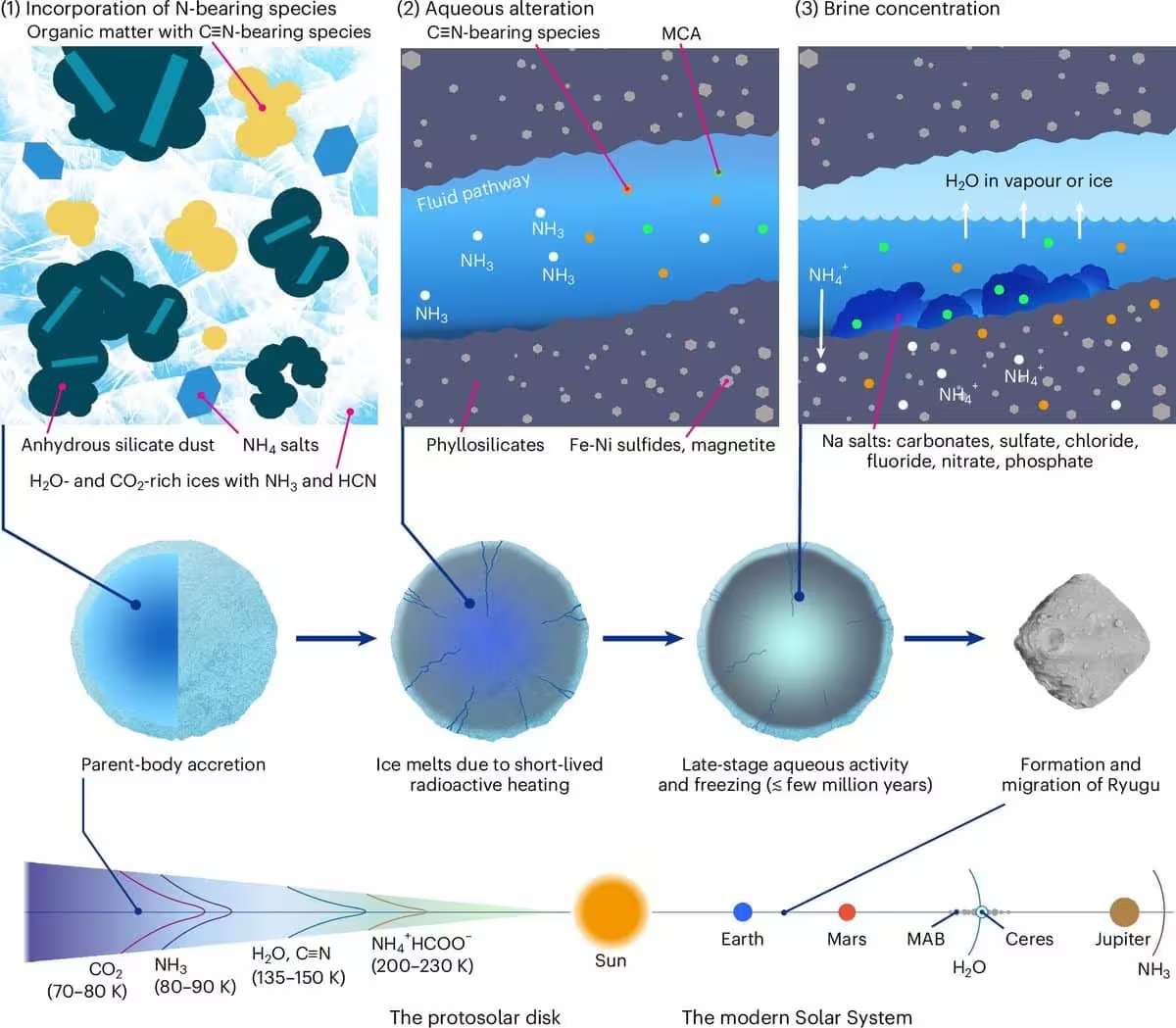
While these findings stop short of claiming that asteroids were the origin of life, they confirm that these small, water-rich bodies were instrumental in synthesizing and protecting the chemical building blocks necessary for biological complexity. As planetary scientists look toward future missions to icy moons and other asteroids, the Ryugu data serves as a critical baseline, demonstrating how the early solar system managed to assemble and distribute the essential ingredients for habitability long before the formation of modern Earth.
This article has been fact checked for accuracy, with information verified against reputable sources. Learn more about us and our editorial process.
Last reviewed on .
Article history
- Latest version
Reference(s)
- Matsumoto, Toru. “Ammonium-bearing clays and multiple nitrogen species linked to the late-stage brines of Ryugu’s parent body - Nature Astronomy.”, August 27, 2026, pp. 1-11. Nature, doi: 10.1038/s41550-026-02962-y. <https://www.nature.com/articles/s41550-026-02962-y>.
Cite this page:
- Posted by Bilal Abbasi