Scientists Discover Some Sea Cucumbers Can Live For Over 100 Years
A decades-long reef study reveals the surprising longevity of an endangered species while highlighting urgent new warnings for its future survival.
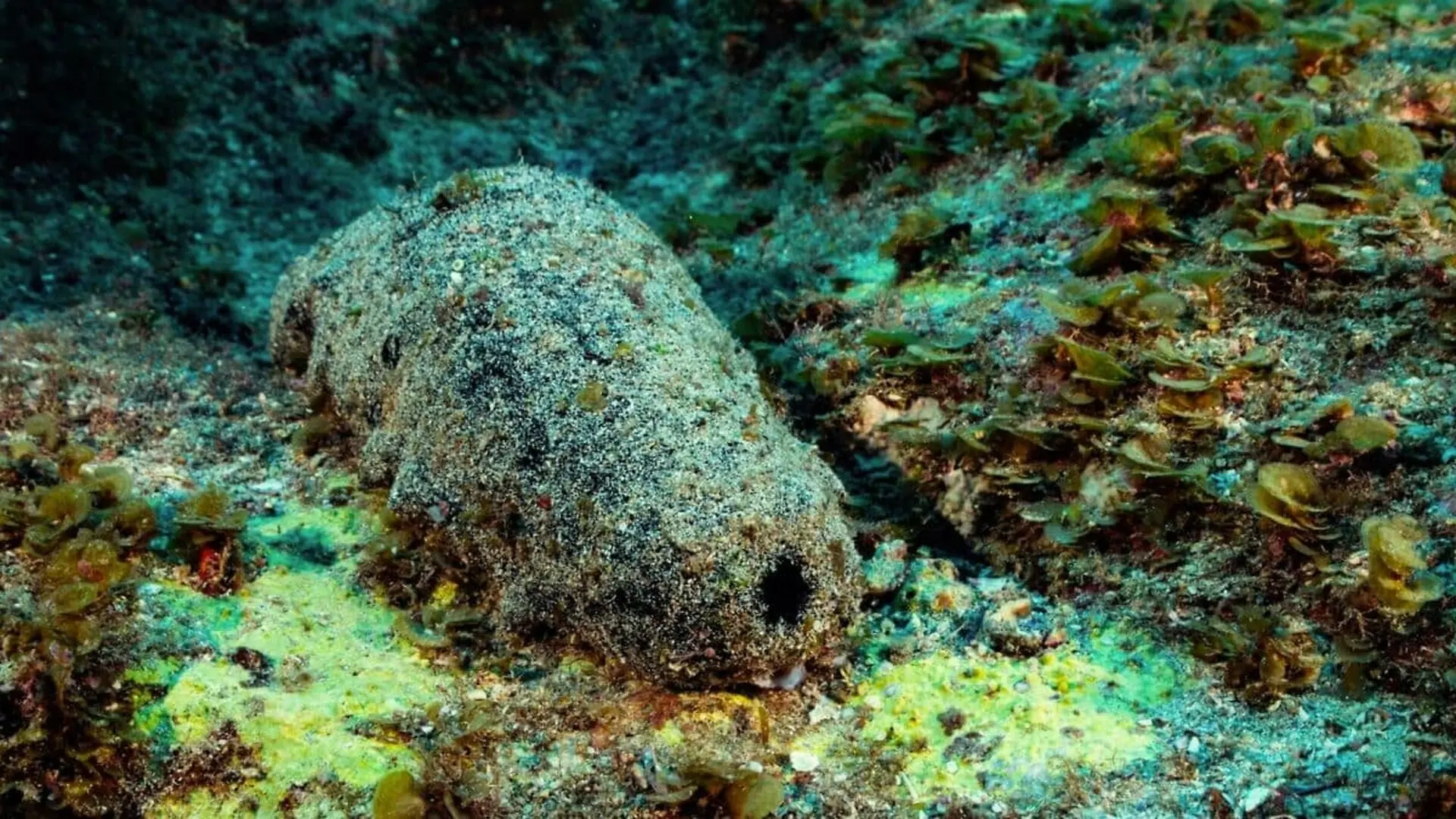
Biologists tracking the elusive black teatfish on Australia’s Great Barrier Reef have uncovered a surprising secret regarding the life history of these sediment-sifting invertebrates. By comparing genetic profiles taken in 2000 with samples gathered from the same site in 2024, researchers have confirmed that these organisms can live for more than a century, marking the first time such extreme longevity has been documented in any sea cucumber species.
The study, published in the journal iScience, highlights the challenges of monitoring species that are notoriously difficult to tag. Because traditional external markers consistently fall off these creatures, a team led by Sven Uthicke of the Australian Institute of Marine Science (AIMS) utilized DNA analysis as a biological identification tool. By freezing tissue samples collected 24 years ago, the team was able to verify that 31 of the 52 individuals captured at Bird Islet near Lizard Island in 2024 were the very same animals studied two decades prior.
Surprising Physical Shifts in Survivors
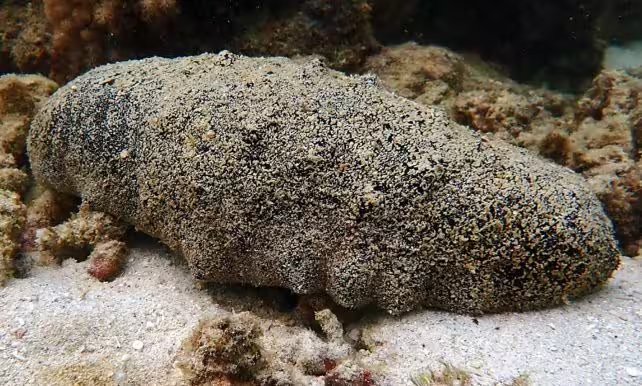
Interestingly, the longitudinal data revealed that survival did not correlate with continued growth. While the 31 matched individuals were large adults in 2000, the 2024 survey showed that most had actually shrunk over the intervening years. On average, these centenarian survivors were 21 percent lighter and 14 percent shorter than their younger selves. The researchers suspect that shifts in environmental conditions likely drive this ability to cycle body mass, allowing the animals to persist through long periods of ecological change.
The findings indicate a remarkably low annual mortality rate of roughly 3.7 percent for the adult population. Projecting this rate forward, the team estimates that approximately one percent of these individuals could reach the age of 123. “We had a hunch that they could get older than the ten years that was commonly thought,” Uthicke noted in an AIMS statement.
Rethinking Fisheries and Conservation
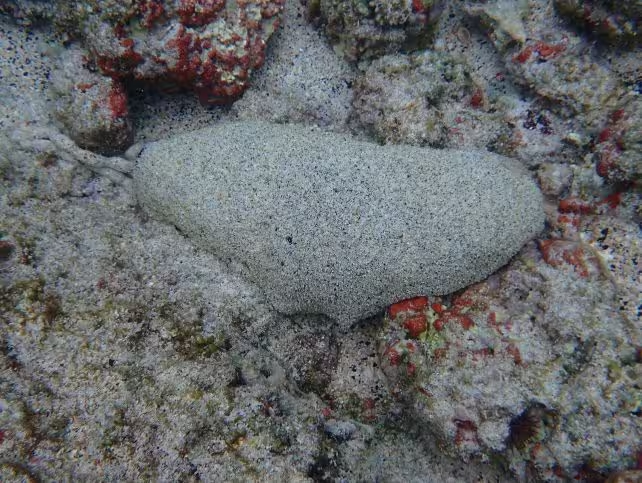
The data carries significant weight for the management of the species, which is currently classified as endangered on the IUCN Red List. Historically, the fishery for the black teatfish (Holothuria whitmaei) was closed in the Great Barrier Reef in 1999 due to declining numbers. The absence of juvenile specimens in both the 2000 and 2024 surveys suggests that recruitment—the process by which new individuals enter the population—is an extremely slow and intermittent process.
Because these animals take so long to mature and possess such a slow turnover rate, researchers warn that existing fishing pressures are almost certainly unsustainable. Beyond their direct survival, the removal of these sea cucumbers threatens the broader health of coral reefs. As they traverse the seafloor, they act as vital recyclers of nutrients, and their loss only adds to the compounding stressors of climate change.
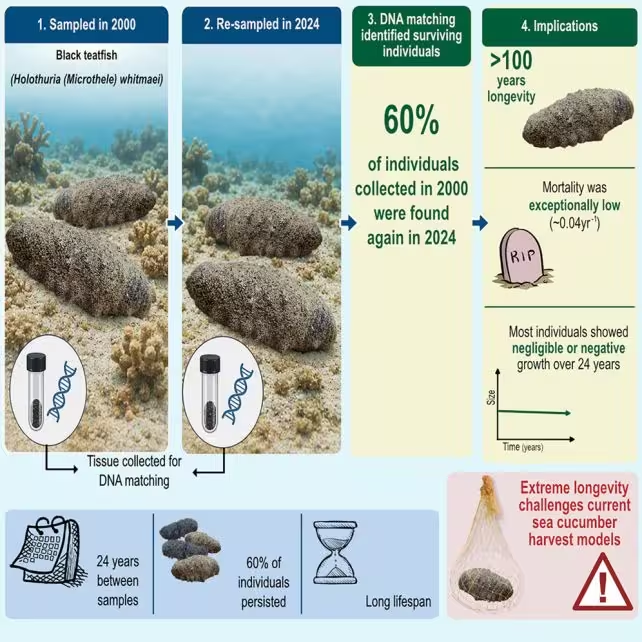
The study concludes that current management strategies for teatfish species require a drastic reassessment. Given their extreme longevity and apparent vulnerability to even minor adult mortality, the long-term persistence of the black teatfish depends on a far more cautious approach to human interaction with these reef-dwelling centenarians.
This article has been fact checked for accuracy, with information verified against reputable sources. Learn more about us and our editorial process.
Last reviewed on .
Article history
- Latest version
Reference(s)
- Uthicke, Sven., et al. “Extreme longevity revealed by 24-year genetic mark–recapture challenges conservation of endangered sea cucumbers.” iScience, vol. 29, no. 10, October 1, 2026, pp. 117505 Elsevier BV, doi: 10.1016/j.isci.2026.117505. <https://doi.org/10.1016/j.isci.2026.117505>.
- <https://www.scimex.org/newsfeed/centenarian-sea-cucumbers-at-risk-of-over-fishing>.
Cite this page:
- Posted by Hassan Raza