Rare 500 Year Old Shipwreck Unearthed During Barcelona Construction Project
Archaeologists in Barcelona have unearthed ancient wooden ship ribs, offering a rare glimpse into the city’s maritime history buried for centuries.
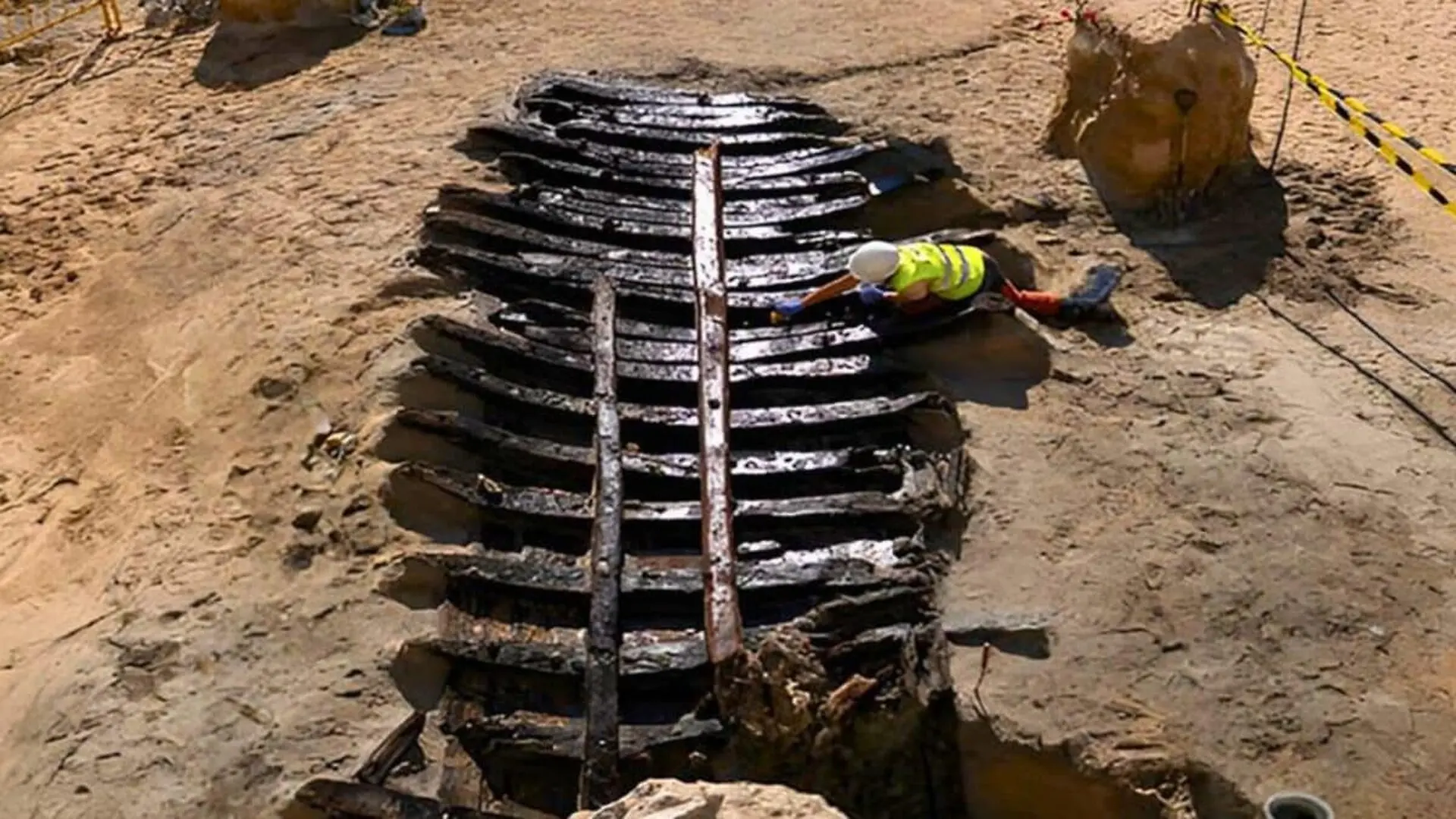
Construction workers excavating an underground parking facility near Barcelona’s Ciutadella Park have uncovered a remarkably preserved maritime relic. Buried roughly five meters below sea level in a thick layer of sand, the skeletal remains of a wooden vessel dating back to the 15th or 16th century have provided researchers with a rare glimpse into the city’s early coastal history.
The discovery, officially identified as Ciutadella I, was found at the site of the former Mercat del Peix, Barcelona’s original permanent wholesale fish market. City officials confirmed the find on April 24, 2025, following a lengthy archaeological assessment that had been underway since March 2023 to accommodate a new biomedical research hub.
A Masterclass in Mediterranean Shipbuilding
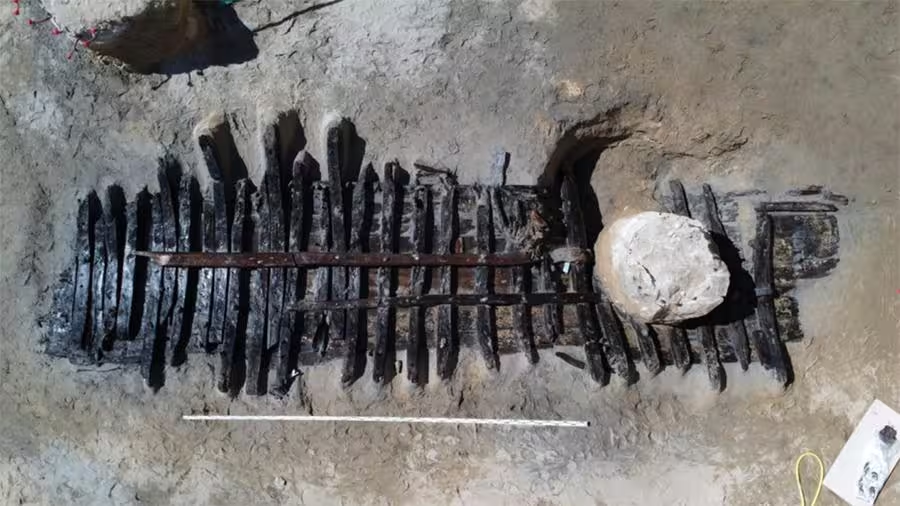
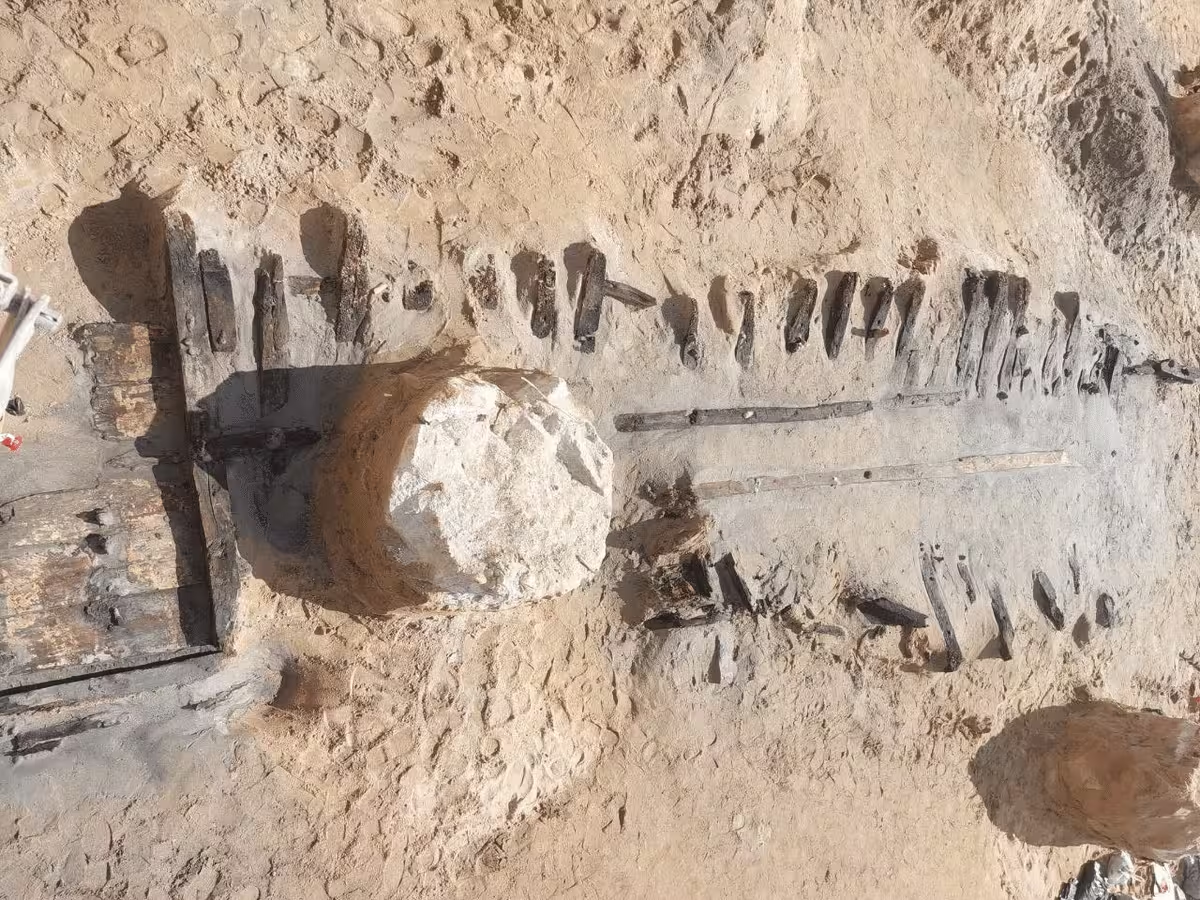
Led by archaeologist Santiago Palacios and restorer Delia Eguiluz, the team from Arqueòlegs.cat successfully mapped a hull section measuring 10 meters in length and over 3 meters in width. The wreck consists of approximately 30 curved frame timbers and at least seven external strakes. Notably, the vessel lacks metal fasteners for its primary planks, instead utilizing traditional wooden pegs known as treenails—a defining characteristic of the structure of medieval Mediterranean shipbuilding that became widespread during the 15th century.
Archaeologists believe the ship was likely abandoned or wrecked in shallow water before being entombed by shifting sediments. This process was accelerated by the construction of artificial stone piers along the coast starting in 1439, which altered local currents and effectively buried the vessel, according to reports from elDiario.es.
Preservation and Historical Context
The discovery represents a significant upgrade in regional maritime data. While a previous vessel, the Barceloneta I, was unearthed in 2008 near the Estació de França, it was built according to Atlantic traditions, likely originating from the Basque region. Ciutadella I offers a direct comparison, providing evidence of the distinct Mediterranean engineering techniques utilized in the same era.
Because waterlogged wood is prone to rapid decay upon exposure to air, the recovery process requires extreme precision. The Barcelona Archaeology Service, in coordination with the Centre for Underwater Archaeology of Catalonia (CASC), is carefully dismantling the wreck for transport to a specialized facility. There, the timbers will undergo a desalting process followed by a wax-impregnation treatment designed to stabilize the wood for future public display.
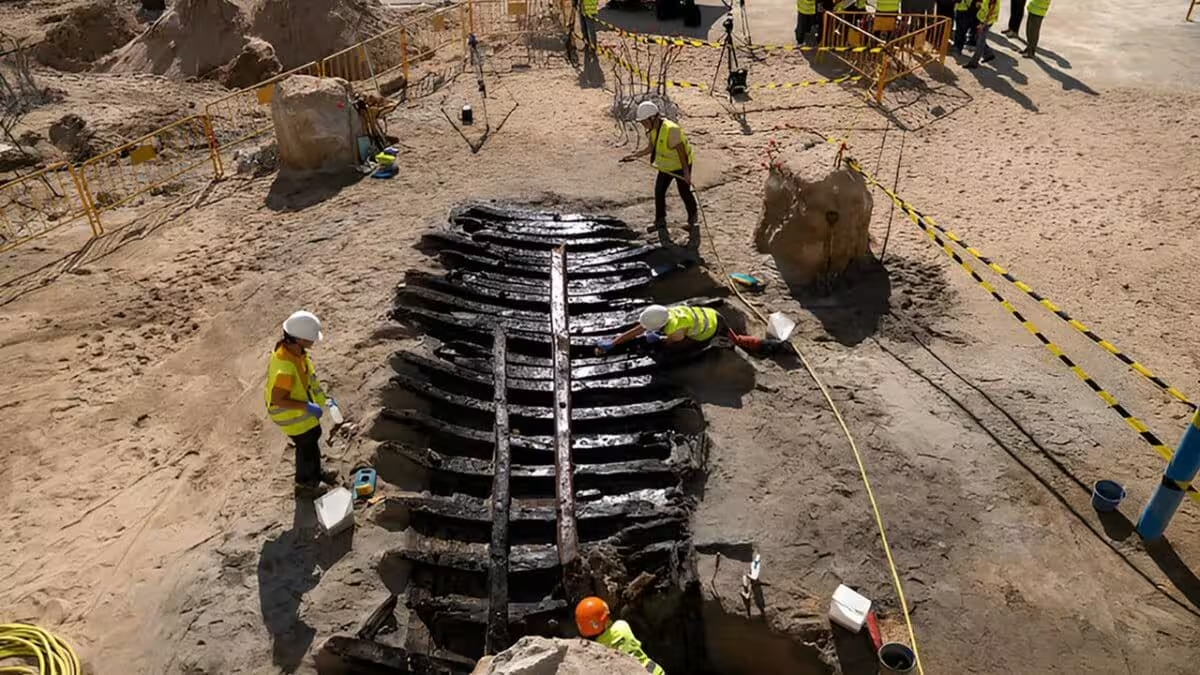
Beyond the ship itself, the excavation site has acted as a time capsule for Barcelona, revealing remnants of 18th-century fortifications, a Spanish Civil War-era air-raid shelter, and the infrastructure of the 19th-century fish market. The site now serves as the foundation for the new BSM Ciutadella del Coneixement parking facility, marking a transition from the city’s ancient maritime roots to its modern research future.
This article has been fact checked for accuracy, with information verified against reputable sources. Learn more about us and our editorial process.
Last reviewed on .
Article history
- Latest version
Reference(s)
- Rodríguez, Pau. “Hallan en unas obras en Barcelona los restos de un barco hundido hace 500 años.”, April 24, 2025 elDiario.es <https://www.eldiario.es/catalunya/hallan-obras-barcelona-restos-barco-hundido-500-anos_1_12243289.html>.
Cite this page:
- Posted by Rohan Kumar