Northern Lights May Grace Halloween Skies As Solar Storm Hits Earth This Weekend
A powerful solar wind stream is heading toward Earth, potentially sparking vibrant auroras just in time for a spooky Halloween display.
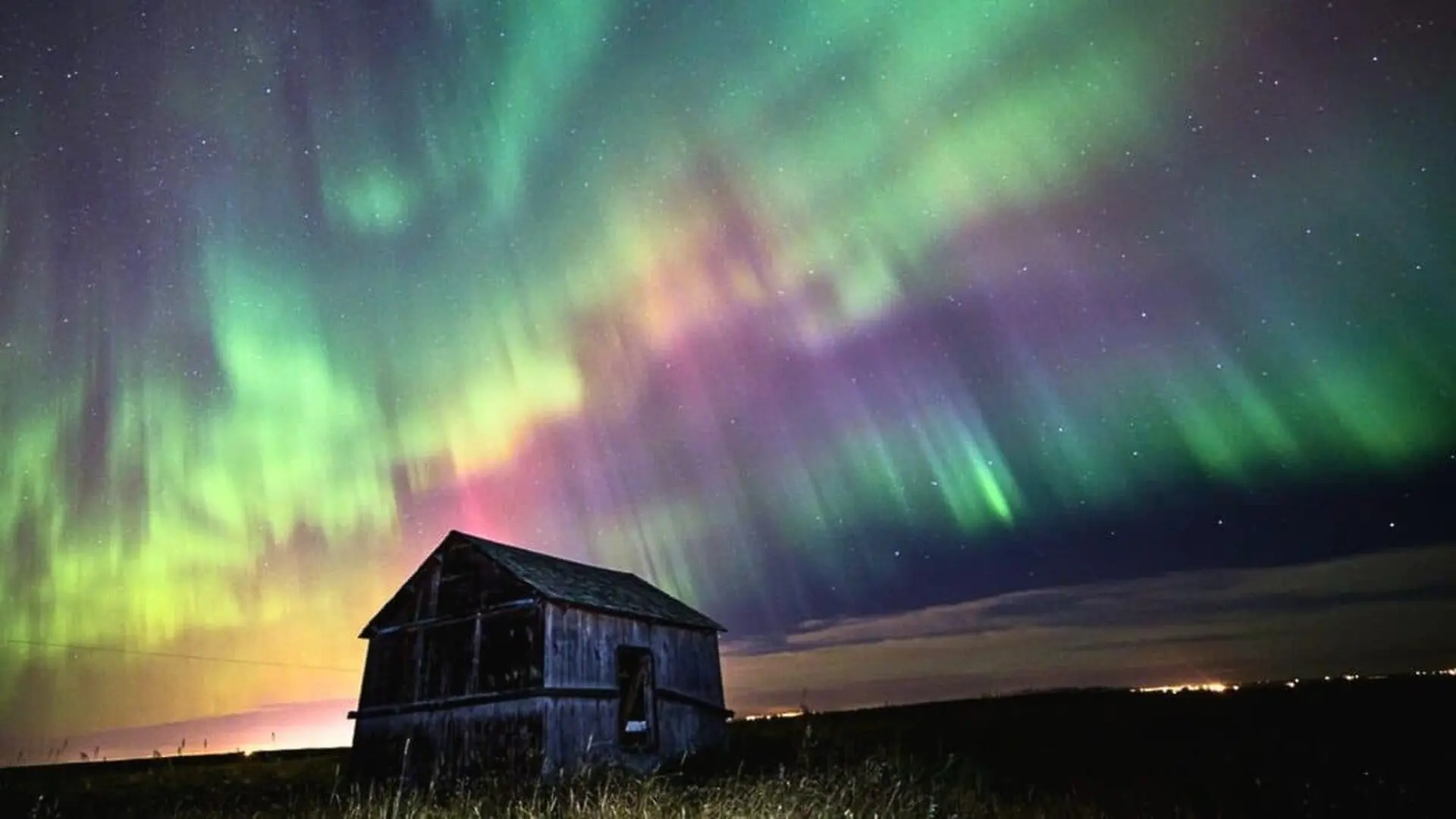
Skywatchers across the northern tier of the United States, Canada, and parts of Europe may be treated to a celestial display this Halloween weekend. The Space Weather Prediction Center (SWPC) has issued a forecast calling for a minor geomagnetic storm arriving between Friday evening, October 30, and Saturday, October 31. These conditions could potentially push the northern lights south of their typical Arctic range, offering visibility to observers in regions such as northern Michigan and Maine.
The upcoming activity is not the result of a massive solar flare, but rather a persistent coronal hole rotating into a position that faces Earth. This structural gap in the Sun’s atmosphere allows solar wind to escape at significantly higher speeds than normal. As this high-velocity stream travels through space, it creates a compressed region of gas that, upon impacting Earth’s magnetosphere, can trigger auroral displays.
According to the latest 3-day forecast from NOAA, the night is expected to reach a Kp index of 5, which marks the threshold for a G1-level geomagnetic storm. This is the lowest tier on the agency’s five-point intensity scale. While the storm is minor, the current forecast indicates that unsettled conditions will persist throughout the following day.
Solar Wind and the Mechanics of the Aurora
Coronal holes appear as dark, relatively cool, and low-density regions when viewed in ultraviolet light. Because their magnetic field lines are open to space rather than looping back to the solar surface, they act as conduits for solar wind to escape easily. When these fast-moving streams overtake slower solar winds, they produce dense, energized pockets of plasma that interact with our planet’s magnetic environment, as described by NOAA experts.
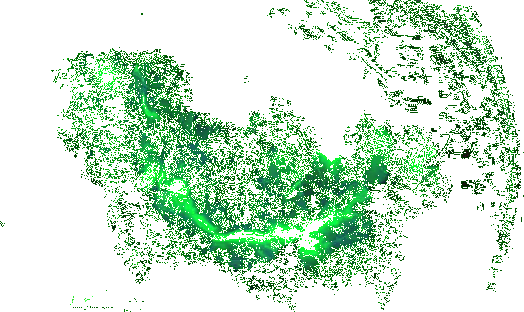
Because the Sun rotates roughly every 27 days, these equatorial coronal holes are long-lived features that often recur. This stability allows scientists to track their impact more reliably than they could with a random, sudden eruption. The current SWPC outlook suggests that while the storm begins late on October 30, the probability of reaching G1 levels remains significant through the following day, with a 30 percent chance of escalating to a moderate G2 event.
What to Expect from a G1 Storm
The Kp index serves as a proxy for the intensity of geomagnetic disturbance. A score of 5 signifies that the aurora may move hundreds of miles south of its usual latitude. While quiet-day Kp levels around 2 keep the lights confined to the far north, a G1 storm can bring the glow to latitudes as far south as northern New York or Montana. Beyond the visual spectacle, such storms may cause minor, manageable fluctuations in power grids and brief anomalies for sensitive satellite operations.
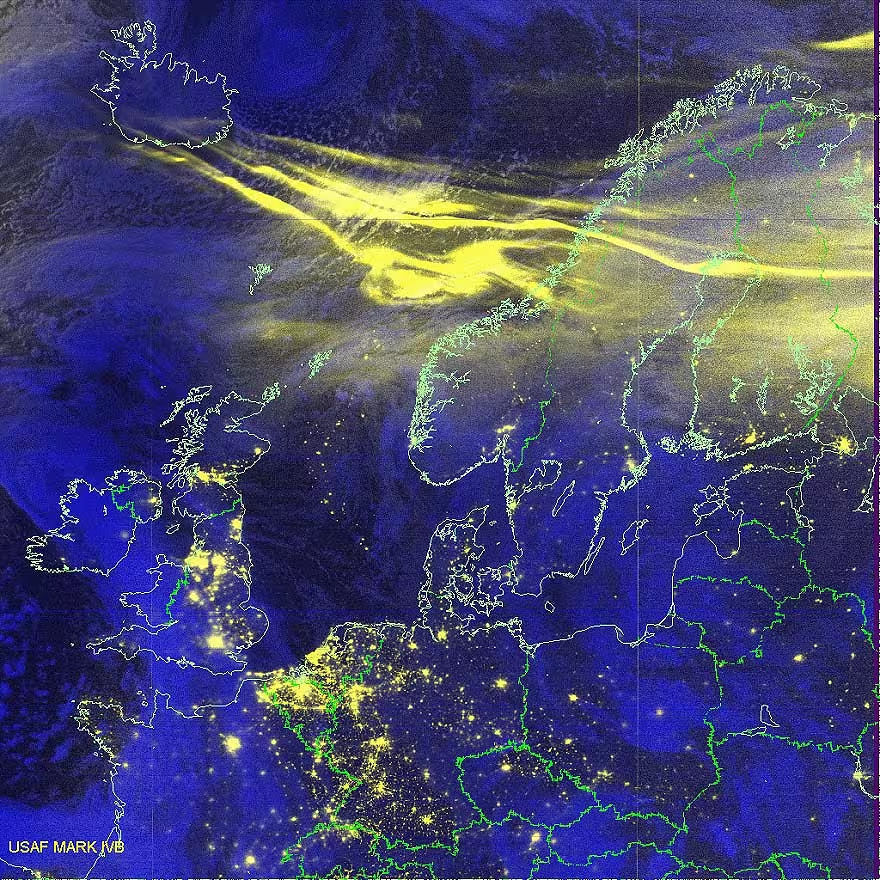
For those hoping to catch a glimpse, digital cameras or smartphones using high-sensitivity night modes often capture color and detail that the human eye may miss. Because the aurora occurs at high altitudes, observers located hundreds of miles away from the direct overhead point can often see a faint, luminous glow hugging the northern horizon.
Optimal Viewing Times and Strategies
For North American observers, the window of peak activity is projected between midnight and 3:00 a.m. Universal Time on October 31. This translates to roughly 8:00 p.m. to 11:00 p.m. EDT on Friday, October 30. European viewers will likely see the peak in the early hours of Saturday, though Friday night also shows promise for those in Scandinavia, the Baltic states, and the northern reaches of the UK.
A persistent, bright Moon will present a challenge this year, as it was full just days prior. To maximize the chance of success, observers should seek dark, rural locations away from light pollution, prioritize a clear view of the northern horizon, and allow at least 20 minutes for their eyes to acclimate to the darkness. Checking local cloud cover forecasts is essential, as even a minor storm can be obscured by weather.
Space weather remains an inherently dynamic field. The exact arrival time and intensity of solar wind streams can shift, and the specific orientation of the magnetic field within the stream dictates the severity of the interaction with Earth. NOAA provides updated forecasts twice daily to account for these variables.
A Nod to Historical Solar Intensity
The month of October is historically significant in heliophysics due to the 2003 “Halloween solar storms.” That series of events reached the top of the G5 scale, with one flare measuring X45, causing power grid failures in Sweden and transformer damage in South Africa. While this weekend’s event is significantly milder, it occurs during an active phase of the Sun’s 11-year cycle. Having recently reached its solar maximum, the Sun has been consistently active throughout late 2024 and 2025, providing frequent reminders of our star’s influence on the near-Earth environment.
This article has been fact checked for accuracy, with information verified against reputable sources. Learn more about us and our editorial process.
Last reviewed on .
Article history
- Latest version
Reference(s)
- “3 Day Forecast.” <https://services.swpc.noaa.gov/text/3-day-forecast.txt>.
- “Coronal Holes | NOAA / NWS Space Weather Prediction Center.” <https://www.spaceweather.gov/phenomena/coronal-holes>.
- “Discussion.” <https://services.swpc.noaa.gov/text/discussion.txt>.
- <https://www.nasa.gov/news-release/nasa-noaa-sun-reaches-maximum-phase-in-11-year-solar-cycle/>.
Cite this page:
- Posted by Hassan Raza