Massive 27,000 Year Old Mammoth Hunting Ground Discovered Beneath Future Courthouse Site
Archaeologists have discovered 28,000-year-old hearths alongside mammoth remains, revealing new insights into ancient human activity at the prehistoric site.
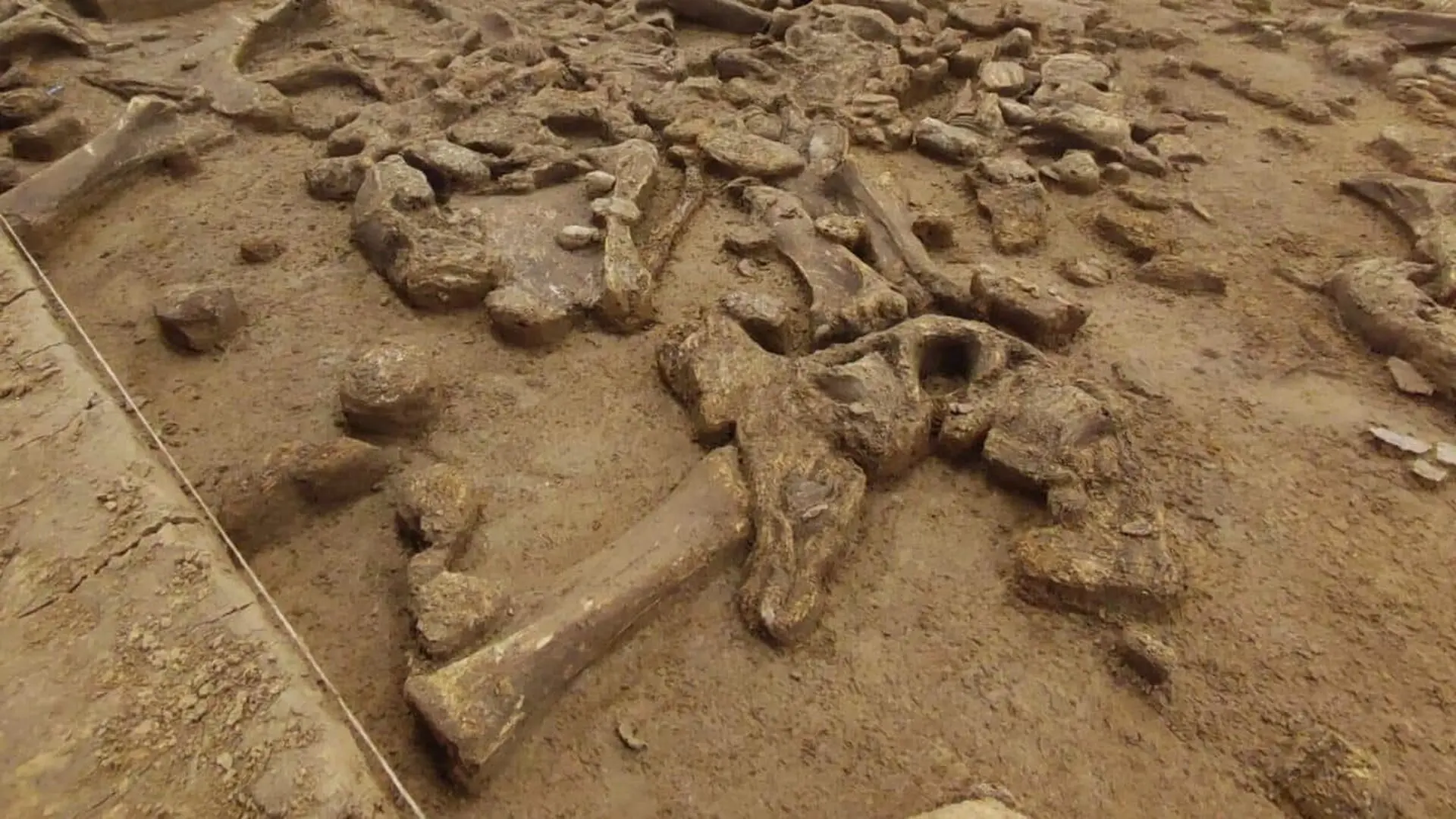
Construction work in northern Bohemia has unexpectedly unearthed a significant archaeological treasure trove, revealing the remains of at least twenty woolly mammoths. Far from being a random collection of fossils, the site at Ústí nad Labem offers a vivid look at a sophisticated hunting operation conducted by Gravettian-era people, complete with stone tools and evidence of systematic butchery.
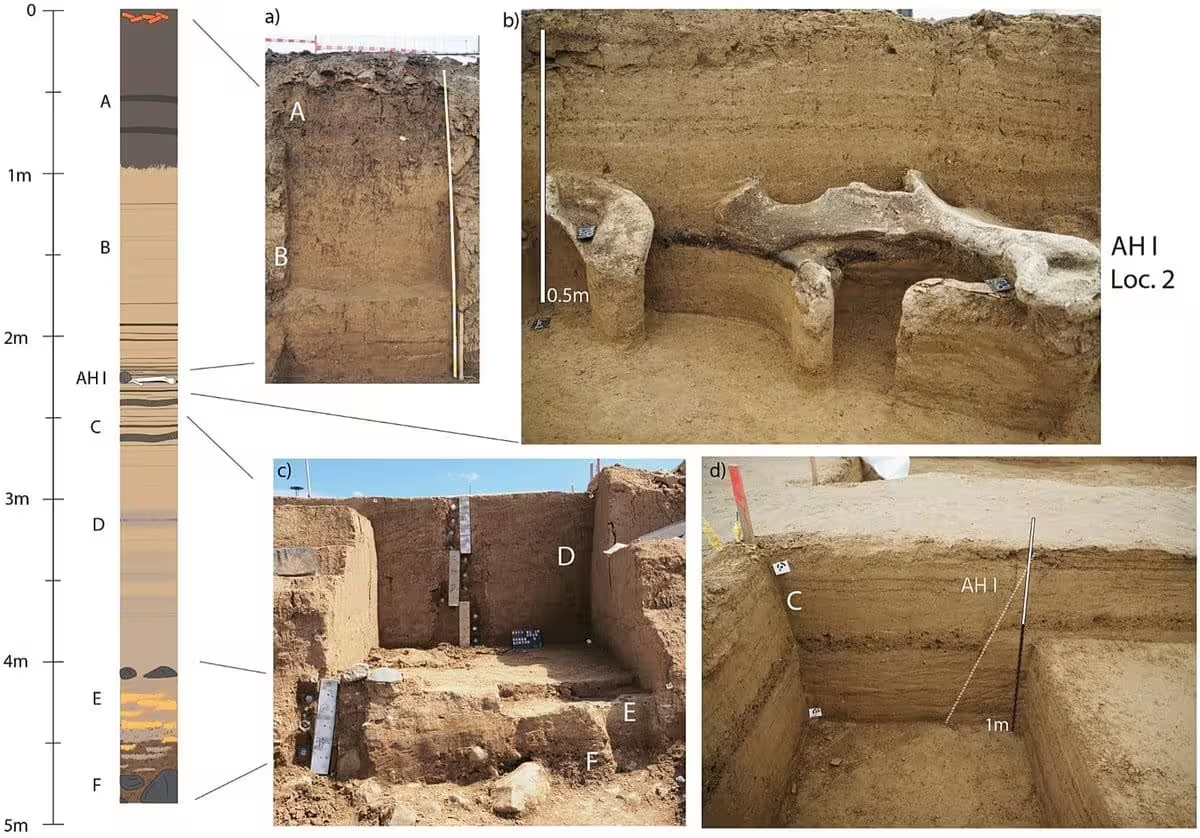
The discovery occurred during preparations for a new courthouse in November 2024. Subsequent excavations, directed by the Institute of Archaeology in Brno throughout 2025, revealed that the site had been remarkably preserved under layers of silt. Spanning approximately 1,000 square metres, the excavation yielded more than 3,500 individual animal remains. A 2026 study published in the Journal of Archaeological Science: Reports confirms the count of twenty mammoths, identified primarily through nineteen lower jaws and an isolated tooth.
Evidence of a Prehistoric Hunting Ground
While skeletons of other species, such as woolly rhinoceroses, horses, reindeer, and hares, were found alongside the mammoths, there is a notable scarcity of skulls and tusks. Researchers suggest that these ivory components were likely salvaged by the hunters to craft tools and personal ornaments. The environment depicted by these findings is a stark contrast to modern Bohemia, pointing to a cold, expansive steppe ecosystem.
The site reveals clear signatures of human intervention. Microscopic analysis of ribs and other bone fragments shows sharp, distinct cut marks consistent with flint tools. Investigators also recovered eight stone implements, including backed bladelets and projectile flakes, which indicate a well-equipped hunting party. The demographic profile of the mammoths provides further proof of intent: thirteen of the twenty animals were between 13 and 27 years old, suggesting that the hunters were targeting healthy, maturing adults rather than scavenging from natural mortality events.
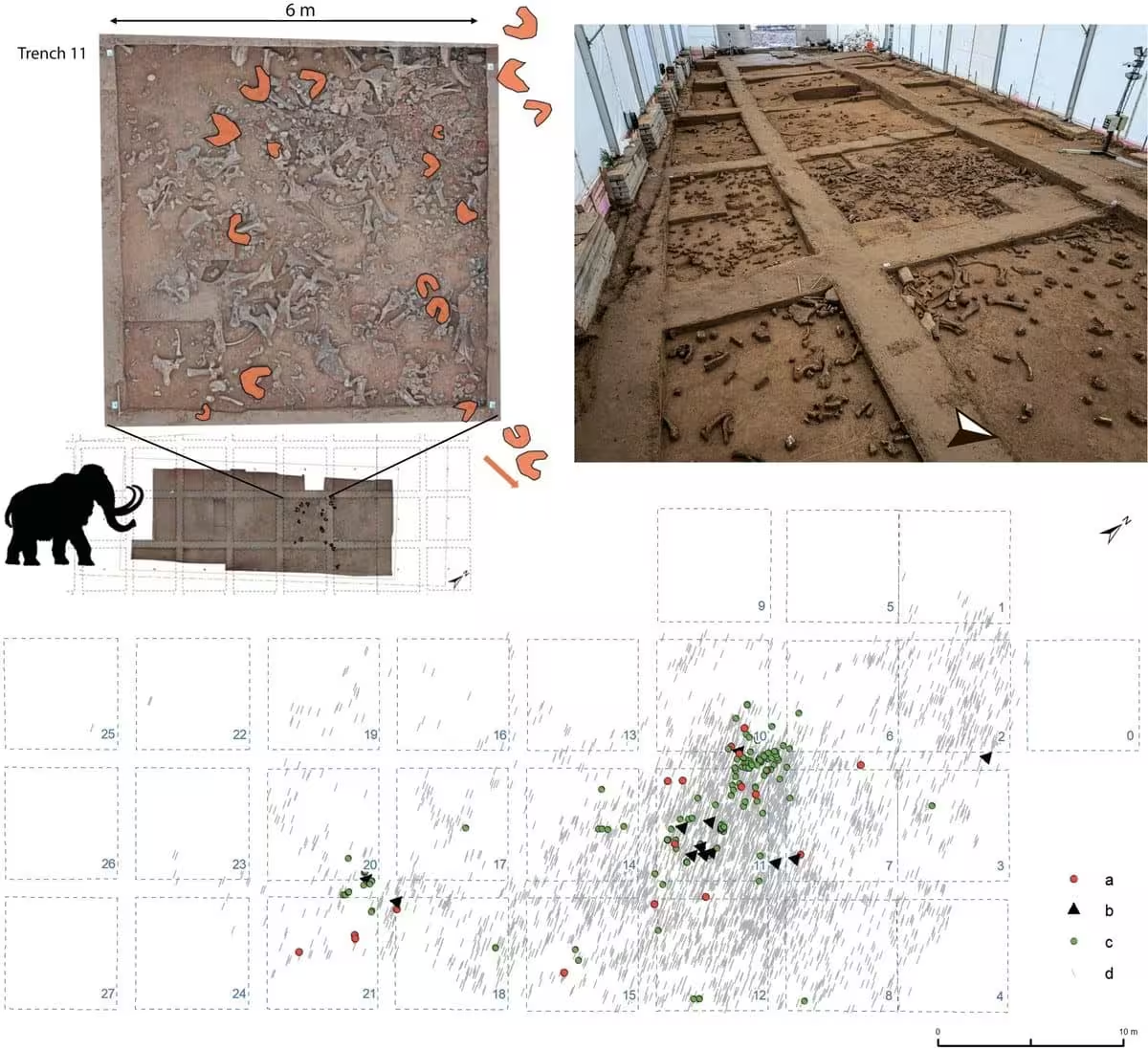
Beyond the Slaughter
The location served as more than just a place for processing game. Radiocarbon dating of four distinct hearths places human activity at the site between 28,800 and 25,600 years ago. The discovery of red ochre plaques and a pendant fashioned from mammoth ivory suggests that the inhabitants engaged in symbolic and cultural practices alongside their daily survival tasks.
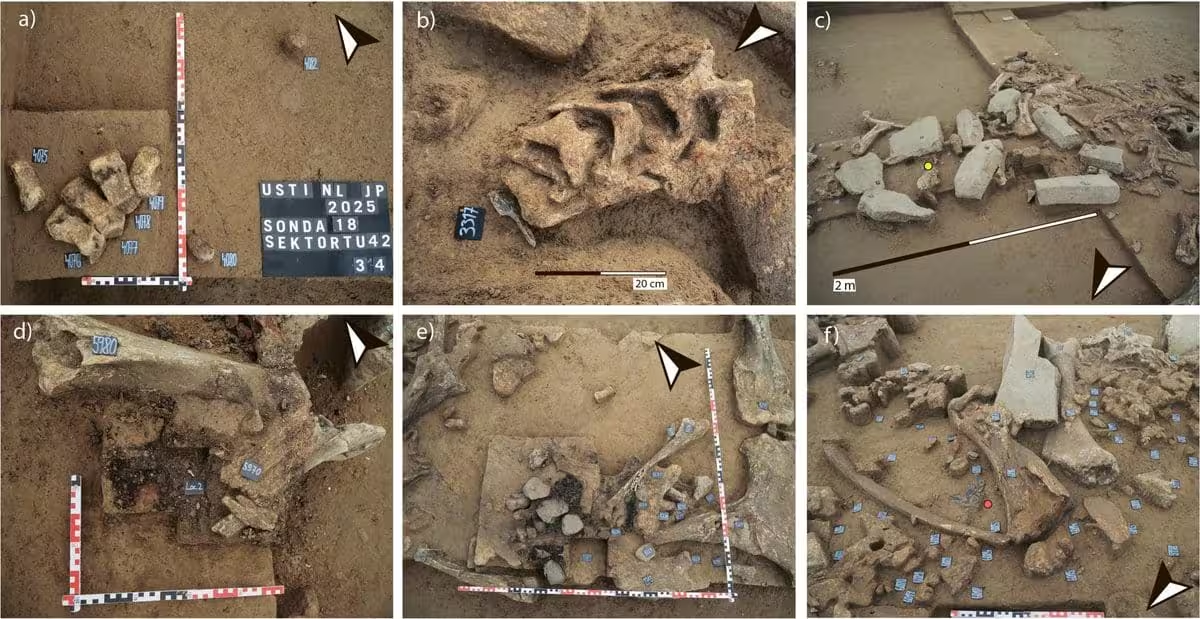
As the scientific team continues to analyze the sediment and artifacts, the site promises to offer deeper insights into the seasonal habits and social structure of Upper Palaeolithic hunter-gatherers. The find is being hailed as an exceptional window into the complex relationship between humans and the megafauna that once dominated the European landscape.
This article has been fact checked for accuracy, with information verified against reputable sources. Learn more about us and our editorial process.
Last reviewed on .
Article history
- Latest version
Reference(s)
- Chlachula, Dominik., et al. “A New Late Gravettian Mammoth Bone Deposit in Bukov, Ústí nad Labem, North Bohemia.” Journal of Archaeological Science: Reports, vol. 75, November 1, 2026, pp. 106048 Elsevier BV, doi: 10.1016/j.jasrep.2026.106048. <https://www.sciencedirect.com/science/article/pii/S2352409X26004839>.
Cite this page:
- Posted by Hassan Raza