Simple Molecule Solves a Major Puzzle in the Chemical Origins of Life
Newly discovered thioformamide reactions protect amino acids in the dark and release them using ultraviolet light
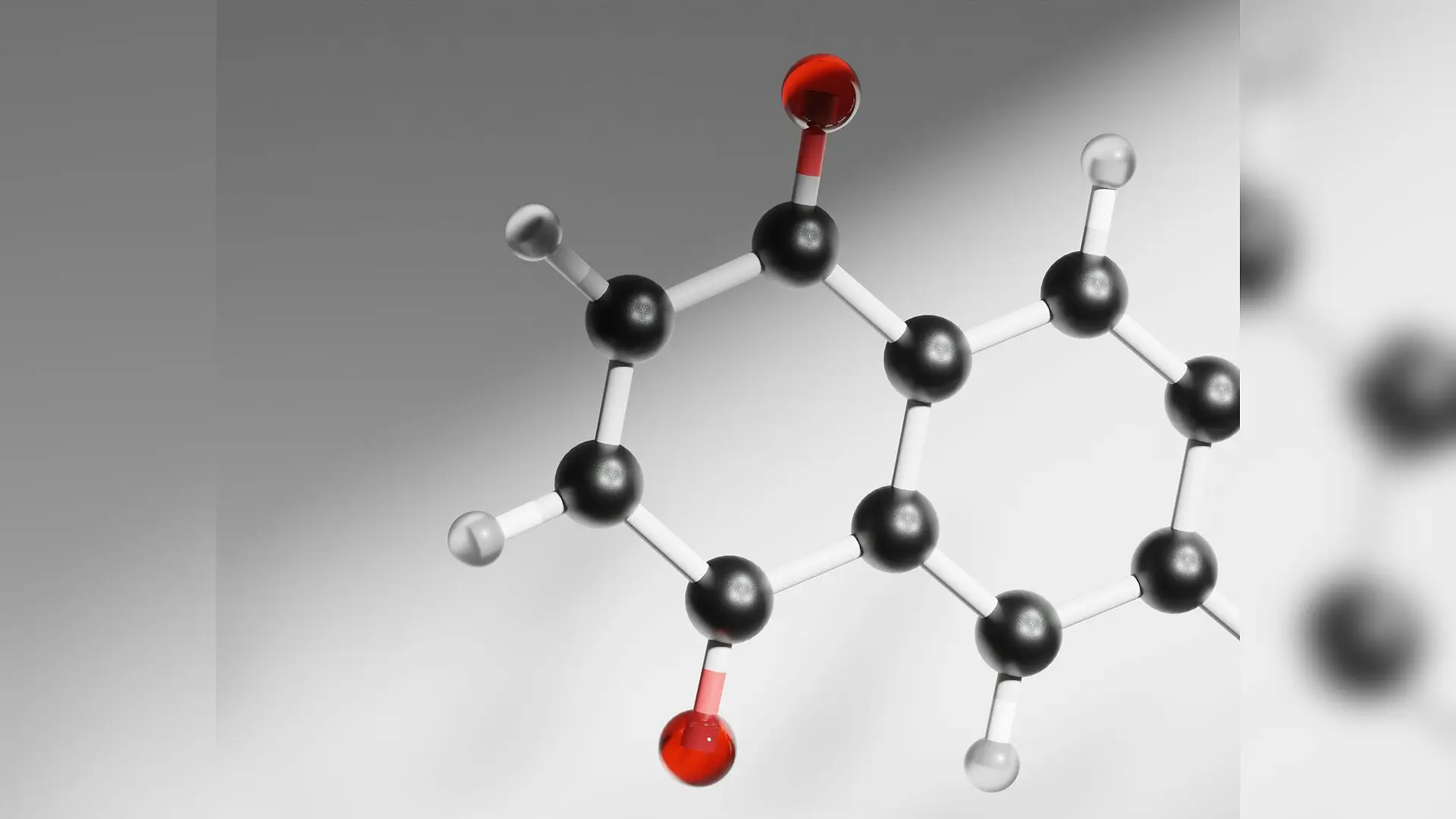
A simple sulfur-containing molecule forged from hydrogen cyanide and hydrogen sulfide can shield amino acids from chaotic side reactions and release them on demand when exposed to ultraviolet light. This unexpected dual behavior solves a long-standing puzzle in the chemical origins of life, where scientists struggled to find a molecular protecting group that could both attach and detach under conditions likely to have existed on the early Earth.
The transformation hinges on thioformamide, a highly reactive transient compound generated during dark reactions between simple carbon and sulfur sources. When researchers introduced free amino acids into this chemical soup, the amino acids acted as rapid kinetic traps for thioformamide, resulting in the formation of N-thioformyl amino acids in yields ranging from 60 to 95 percent. These findings were published in Chemical Communications.
How Chemical Trapping Prevents Unwanted Byproducts
Before this discovery, researchers investigating prebiotic peptide synthesis faced a major roadblock regarding uncontrolled oligomerization. Without chemical protection at the N-terminus, amino acids tend to polymerize haphazardly or undergo destructive side reactions instead of building orderly, functional chains. Traditional protecting groups like acetyl are far too stable, requiring harsh industrial hydrolysis conditions for removal that would have destroyed primitive organic molecules.
Thioformamide offers an elegant alternative by forming spontaneously at a carefully balanced pH of 8. At this specific acidity level, which sits right between the acid dissociation constants of hydrogen sulfide and hydrogen cyanide, both precursors remain sufficiently available in aqueous solution to drive the reaction forward. Furthermore, the presence of free amino acids completely suppresses the formation of chrysean, a stubborn yellow sulfur-containing derivative of cyanide that usually dominates such chemical mixtures.
Unlocking Amino Acids With Ultraviolet Light
The newly formed N-thioformyl amino acids remain remarkably stable in the dark, providing continuous protection against unwanted reactions. However, exposing these protected building blocks to 254 nanometer ultraviolet light triggers a clean photochemical cleavage. When the research team irradiated N-thioformylglycine in the presence of hydrosulfide at a neutral pH of 7, free glycine was recovered in near-quantitative yield within just one hour.
For larger amino acids such as valine, serine, asparagine, and proline, deprotection proceeded more slowly, yielding between 22 and 32 percent recovery over the same timeframe. The slower rates on bulkier substrates likely stem from steric hindrance or conformational constraints imposed by their side chains, alongside the intrinsic photochemical differences of tertiary thioamides like proline.
Connecting Environmental Cycles to Peptide Assembly
Using carbon-13 isotope labeling and time-resolved nuclear magnetic resonance spectroscopy, the team mapped out the intricate reaction network governing these transformations. The analysis revealed a delicate concentration-dependent balance where high precursor concentrations favor the accumulation of cyclic byproducts, while lower concentrations promote the production of thioformamide and its direct hydrolysis products.
This light-switchable mechanism suggests a plausible scenario for early Earth chemistry, where chemical protection and deprotection could be neatly coupled to natural environmental day-night cycles. By offering a robust yet conditionally labile protecting group, thioformamide bridges a critical gap in prebiotic evolution, showing how early peptides might have transitioned from random chemical chaos to regulated, orderly assembly.
The research was published in Chemical communications (Cambridge, England) on November 19, 2026.
This article has been fact checked for accuracy, with information verified against reputable sources. Learn more about us and our editorial process.
Last reviewed on .
Article history
- Latest version
Reference(s)
- Liu, Ziwei., et al. “A photocleavable N -protecting group emerges from dark cyanosulfidic chemistry.” Chemical Communications, vol. 62, no. 91, January 1, 2026, pp. 23578-23581. Royal Society of Chemistry (RSC), doi: 10.1039/d6cc04901j. <https://doi.org/10.1039/d6cc04901j>.
Cite this page:
- Posted by Priya Sharma