Malaria Diagnostic Criteria Miss Most Children With Kidney Injury
A massive global data analysis reveals that adjusting renal thresholds for age and muscle mass can identify up to eight times more pediatric patients at high risk of death.
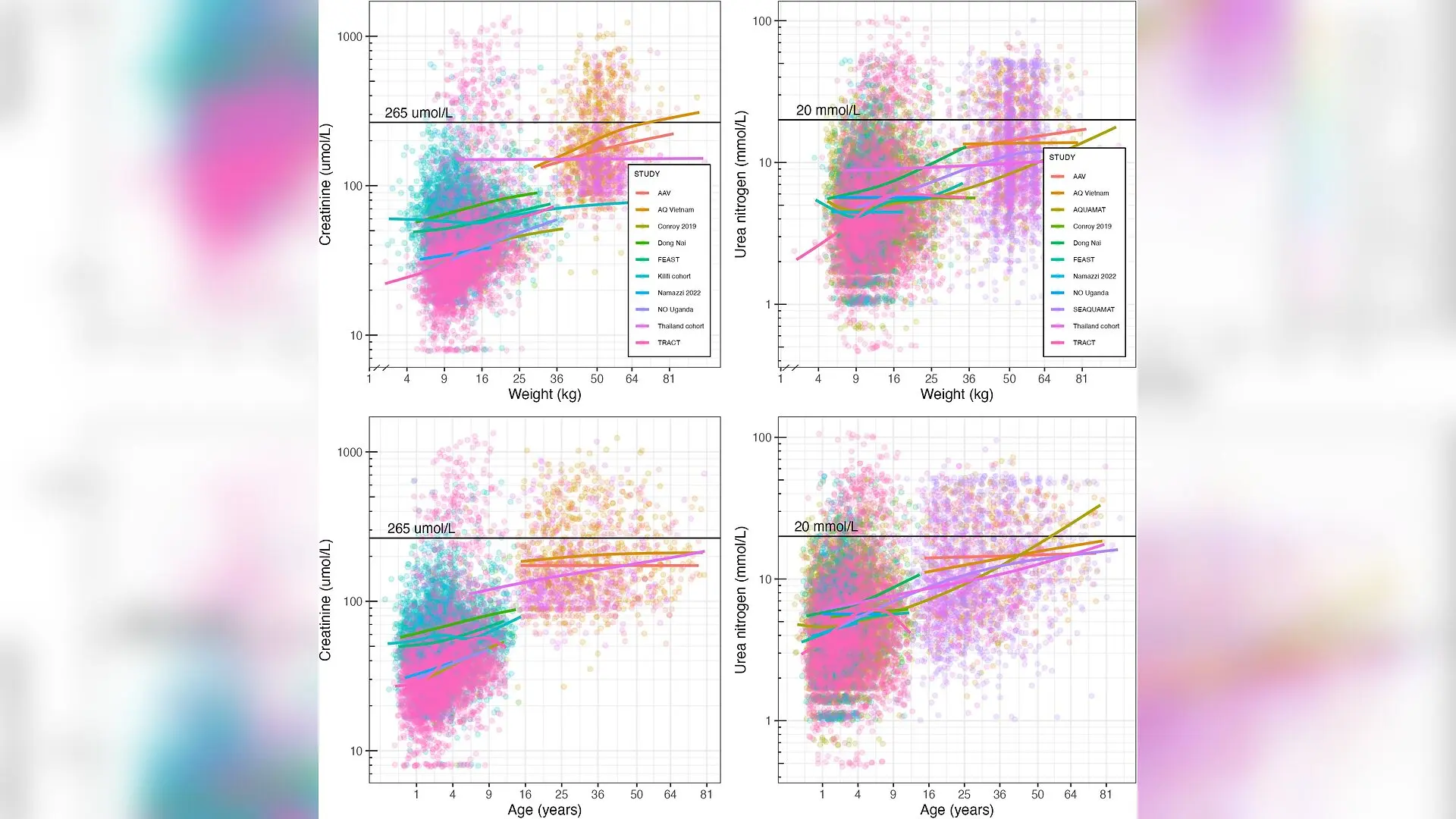
A massive new pooled data analysis reveals that current medical guidelines fail to catch most children suffering from severe kidney damage during a malaria infection. The study evaluated records from 16,441 patients across multiple global cohorts.
Why Adult Kidney Thresholds Fail Pediatric Patients
Severe malaria often triggers acute kidney injury, a sudden decline in renal filtration that significantly raises the risk of death. For decades, medical protocols relied on strict laboratory cutoffs established primarily from adult data, such as a blood creatinine concentration exceeding 265 micromoles per liter. Because young children naturally possess lower muscle mass and smaller statures, these high criteria mean pediatric patients must experience an extreme loss of kidney function before receiving a diagnosis of severe illness. Consequently, thousands of children at high risk of mortality have been slipping through standard diagnostic nets.
To establish more accurate parameters, an international research consortium pooled individual patient records from 14 prospective clinical investigations spanning a 40-year period. The findings were published in PLOS Medicine, offering a comprehensive look at biomarker variations across different age groups. Out of the total dataset, 13,793 patients were children under the age of 15, representing approximately 84 percent of all evaluated cases.
Comparing Biomarkers and Patient Survival Rates
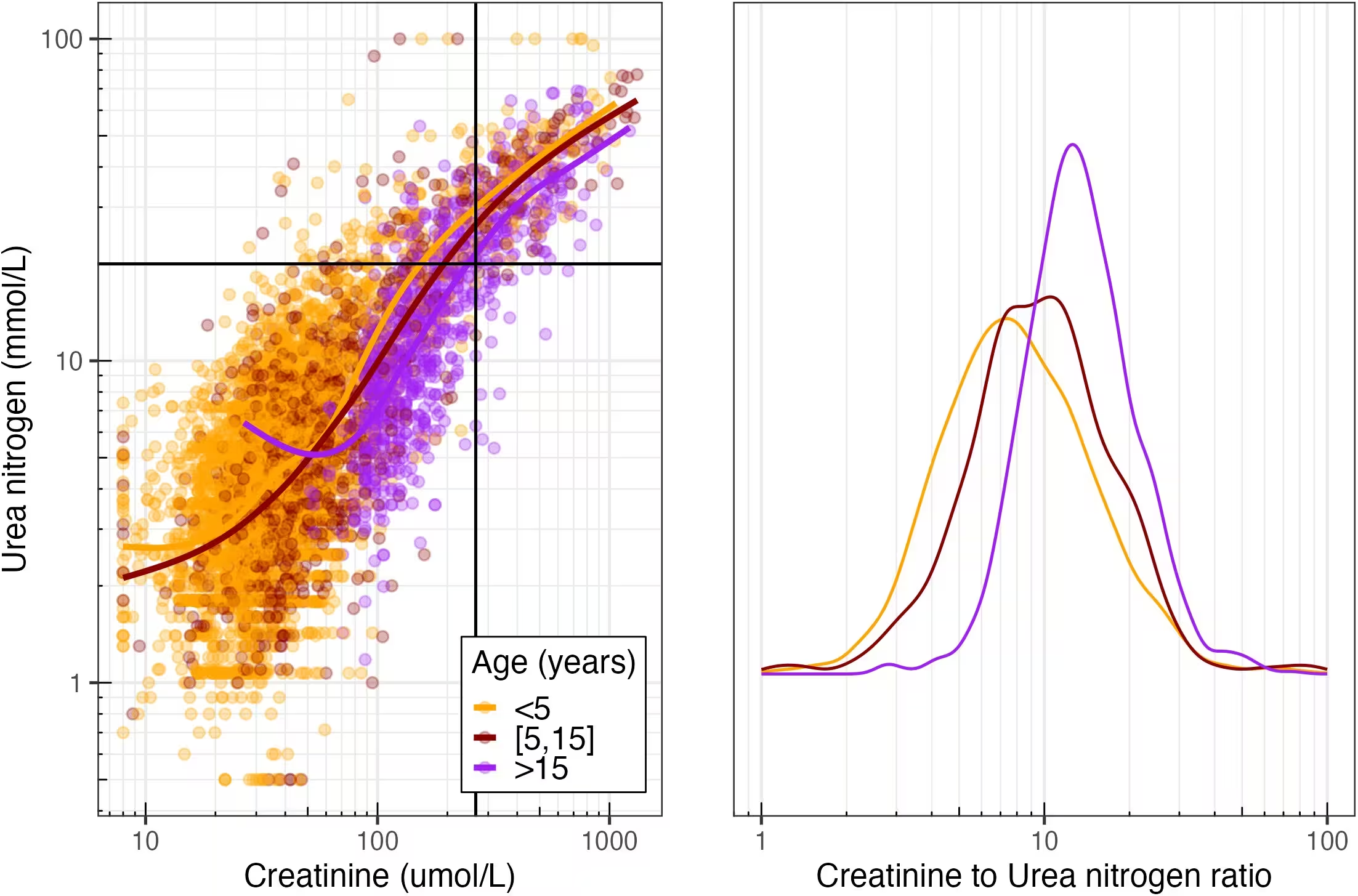
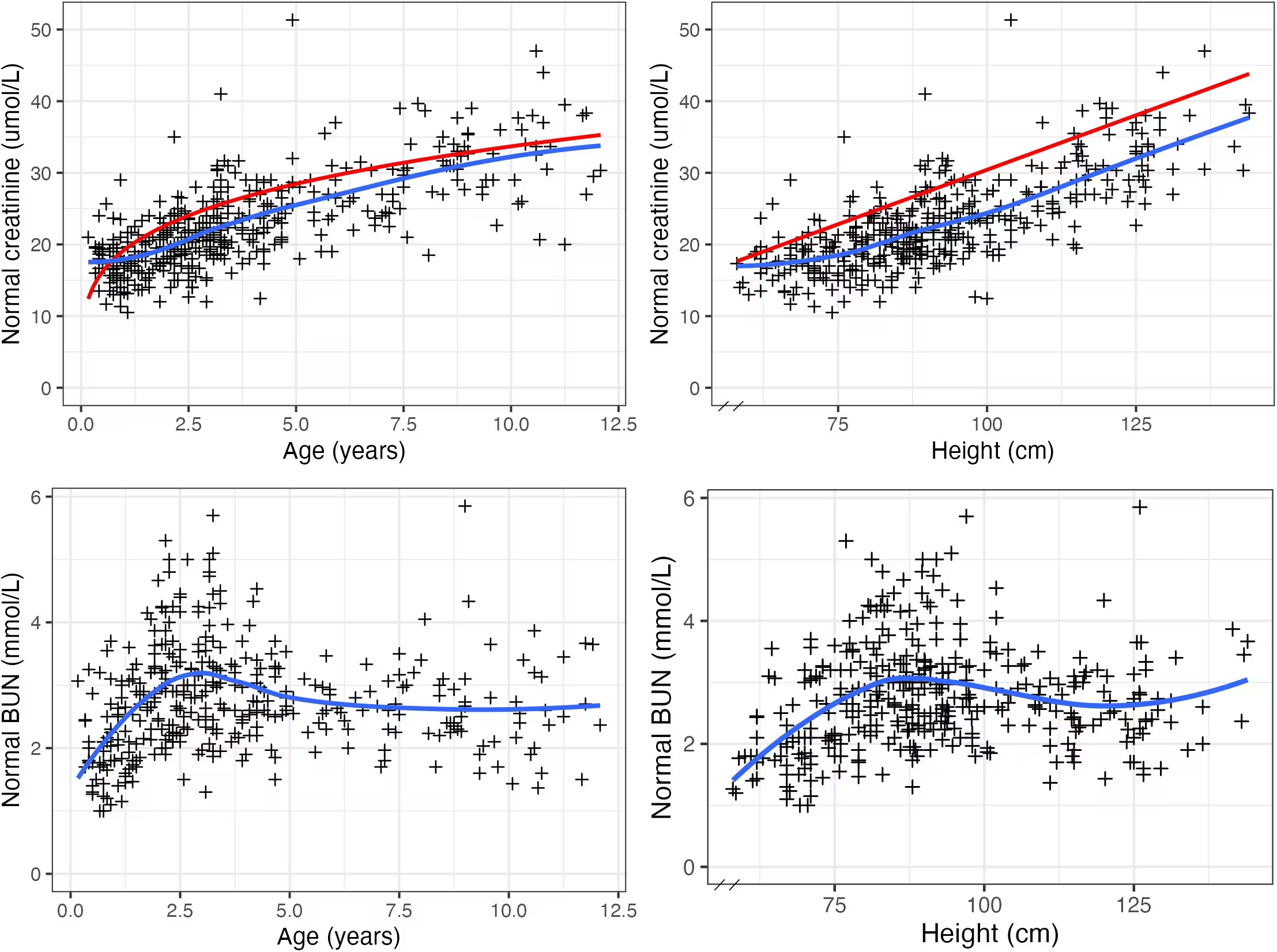
The research team examined both blood urea nitrogen, commonly known as BUN, and plasma creatinine levels relative to patient survival outcomes by day 28. The data showed that a three-fold increase in creatinine compared to an estimated age-adjusted or weight-adjusted normal baseline reliably predicts a mortality risk above 5 percent. When researchers applied these adjusted thresholds, the number of children identified with severe malaria-related kidney injury increased by up to eight times.
How Urea Outperforms Creatinine in Young Patients
While creatinine requires complex mathematical adjustments for lean body mass and age, urea measurements proved remarkably consistent across different pediatric age brackets. A blood urea concentration exceeding 10 millimoles per liter was strongly associated with a 5 percent or higher risk of death across both children and adults. Furthermore, urea concentrations were less susceptible to nutritional status and muscle wasting, making it a highly reliable prognostic indicator in low-resource clinical settings where rapid triage is essential.
The investigation also uncovered surprising patterns regarding electrolyte imbalances during severe infections. Although hyperkalemia, or dangerously high blood potassium, is frequently attributed to kidney failure, the data showed that severe metabolic acidosis was a much stronger driver of potassium shifts in young children. Extreme acid buildup in the blood, rather than renal dysfunction alone, created the highest risk for dangerous electrolyte disturbances.
Limitations and Future Clinical Implications
Despite the robust sample size, the study authors noted several limitations inherent to retrospective pooling over four decades. Laboratory assay methods varied across historical study sites, and time-to-death metrics were not uniformly recorded. Additionally, none of the included studies incorporated serial daily measurements of urine output or continuous glomerular filtration monitoring.
These findings suggest that international health organizations should update their diagnostic definitions for severe malaria. Lowering the urea threshold to 10 millimoles per liter and utilizing baseline-adjusted creatinine multipliers will allow clinicians to identify vulnerable children much earlier, ensuring timely supportive care and potentially reducing preventable fatalities in endemic regions.
The research was published in PLOS Medicine on November 19, 2026.
This article has been fact checked for accuracy, with information verified against reputable sources. Learn more about us and our editorial process.
Last reviewed on .
Article history
- Latest version
Reference(s)
- Watson, James A.., et al. “Acute kidney injury and death in severe Plasmodium falciparum malaria: An individual patient data meta-analysis.” PLOS Medicine, vol. 23, no. 11, November 19, 2026, pp. e1004975 Public Library of Science (PLoS), doi: 10.1371/journal.pmed.1004975. <https://doi.org/10.1371/journal.pmed.1004975>.
Cite this page:
- Posted by Anjali Singh