The Heroic Mission to Save a Frozen Soviet Space Station from the Brink of Destruction
In a daring race against time, two cosmonauts braved a frozen, dead Salyut 7 space station to pull off one of history’s most complex orbital rescues.
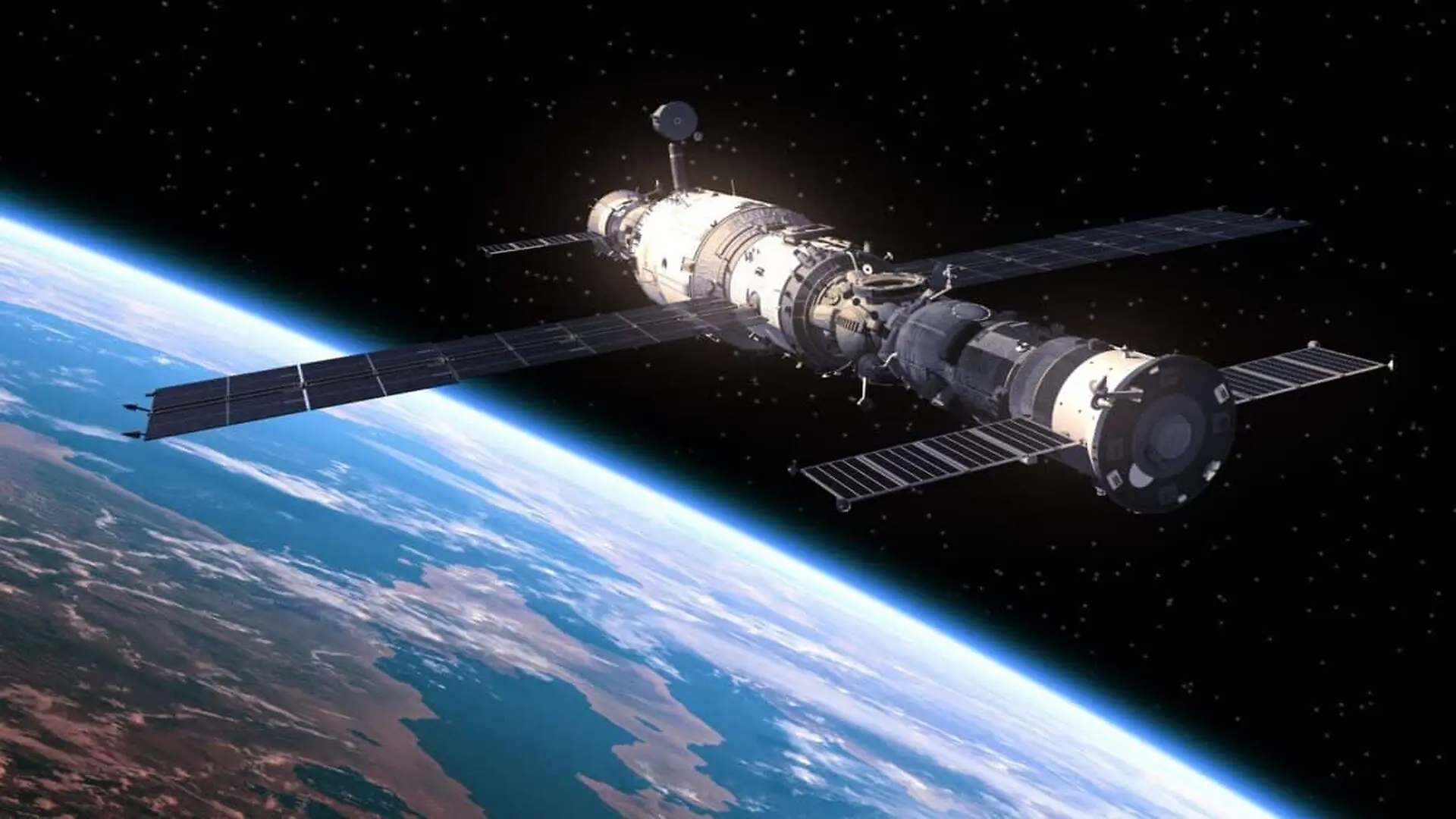
In February 1985, the Soviet Salyut 7 space station effectively became a ghost ship. A catastrophic electrical failure drained the outpost’s batteries, causing the heating systems to shut down and severing all communication with ground control. Left to drift in an unpowered, silent state, the massive orbital facility was unable to support the automatic docking protocols essential for incoming crews, making a rescue mission appear nearly impossible.
The monumental task of reviving the frozen station fell to cosmonauts Vladimir Dzhanibekov and Viktor Savinykh. Their mission was unprecedented, requiring them to manually pilot their Soyuz T-13 spacecraft to a station that was not only dead but also tumbling slowly through orbit.
Piloting Into the Unknown Without Automated Assistance
Under normal operating conditions, Soviet missions relied on the Igla automated docking system, which necessitated a constant data exchange between the station and the visiting craft. With Salyut 7 unresponsive, engineers at the Baikonur Cosmodrome had to improvise, retrofitting the Soyuz T-13 with custom manual control levers to bypass the need for an active station signal. When the crew launched on June 6, 1985, they were essentially flying blind toward a derelict target.
Upon reaching the vicinity of the station two days later, Dzhanibekov took the helm. Utilizing a handheld laser rangefinder to judge the distance and meticulously timing his maneuvers to match the rotation of the silent station, he successfully completed the first-ever manual docking with an inactive spacecraft at 08:50 UTC on June 8.
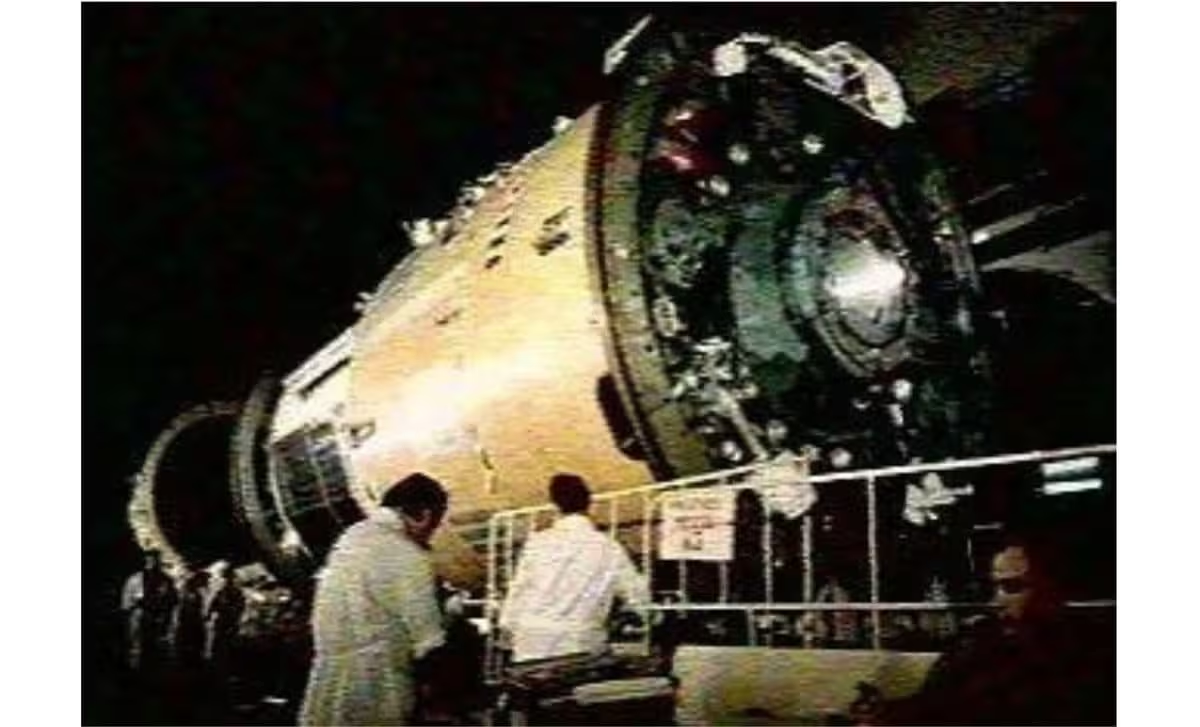
After verifying that the connection was secure, the crew took air samples before cautiously opening the hatch. They found the atmosphere breathable, though the environment inside was brutal.
Surviving the Deep Freeze of Orbit
Inside the station, the temperature had plummeted to −10°C (14°F). According to archives from RKK Energia, the interior was coated in thick frost, and all onboard water supplies had solidified into ice. Clad in heavy winter gear and fur hats, the cosmonauts discovered that six of the eight batteries were completely discharged, while two had been destroyed entirely. A faulty sensor in the solar array orientation system was eventually identified as the culprit behind the station’s descent into darkness.
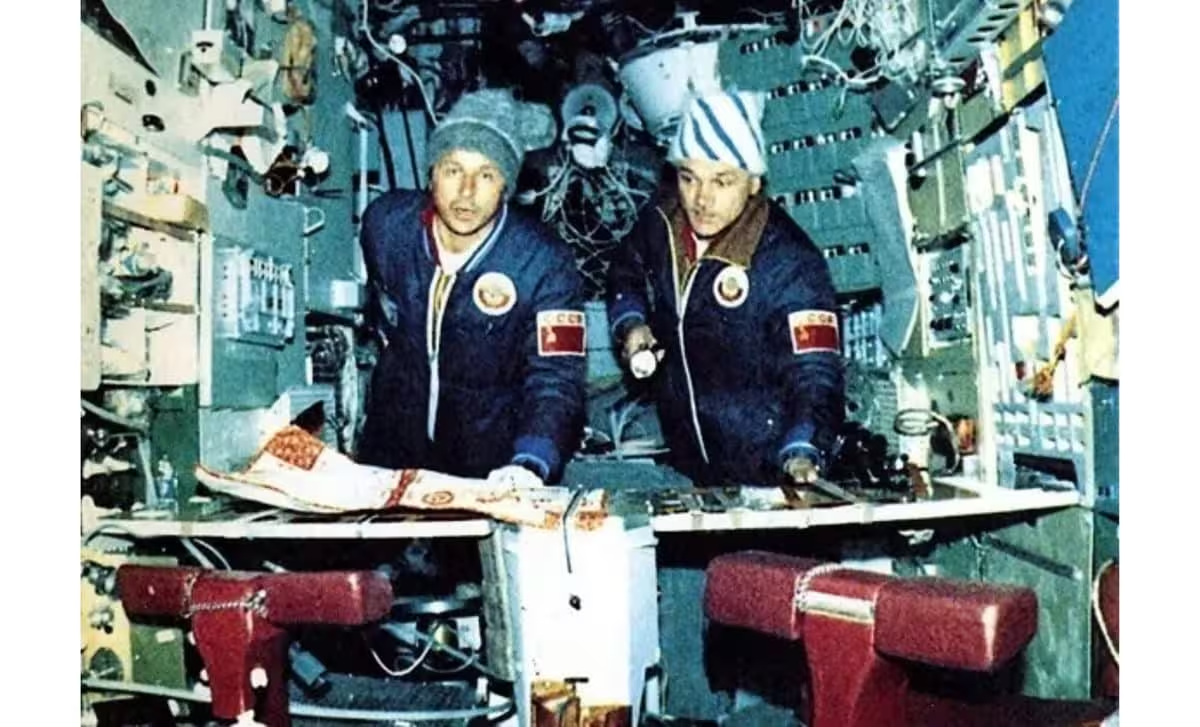
The restoration was a delicate process. The crew bypassed damaged systems to connect the solar panels directly to the battery banks. As noted by SciencePost, the team managed to restore power within ten days. However, they had to manage the thaw with extreme caution, allowing frost to sublimate naturally rather than melting it, which would have risked short-circuiting the sensitive electronics.
In one instance of resourcefulness, the cosmonauts used a high-intensity television floodlight to heat their rations, as the station’s dedicated water heater had been rendered useless by the freezing temperatures. Full climate stabilization was a slow crawl, with internal humidity levels not returning to normal until late July.
Long-Term Recovery and Final Deorbit
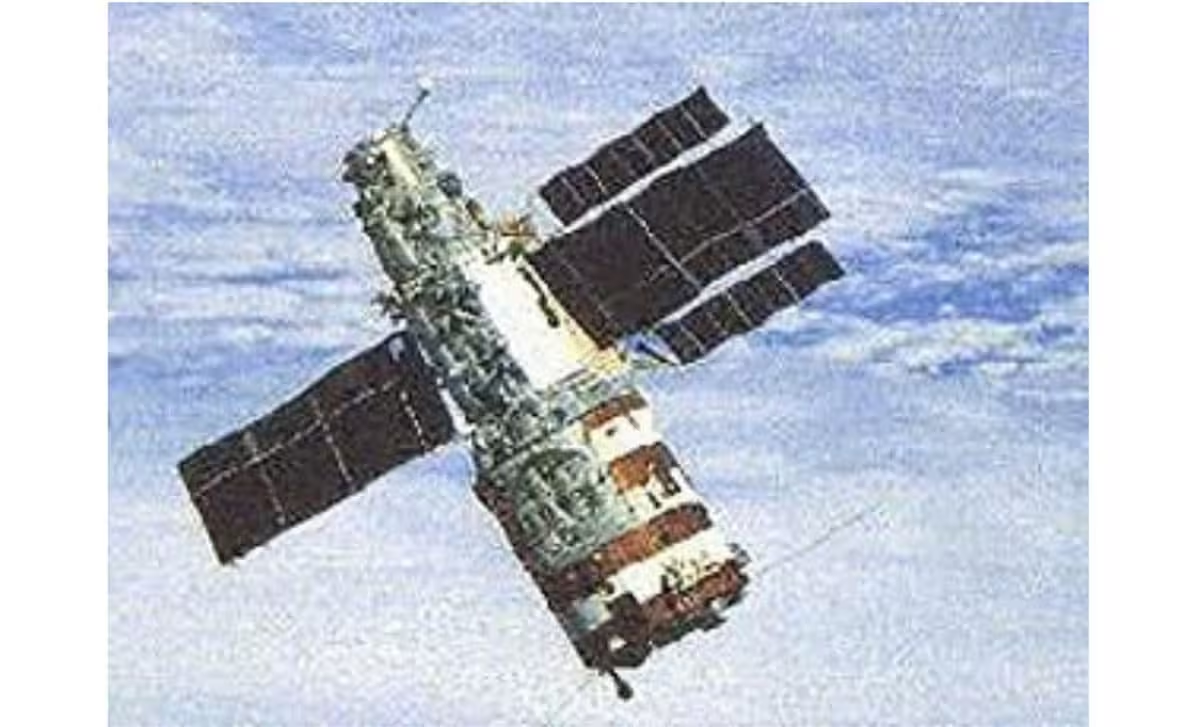
The mission evolved from a repair operation into an extended stay. A Progress 24 cargo vessel arrived later in June to provide the necessary spare parts, including upgraded solar panel extensions that the crew installed to bolster the station’s longevity. While Dzhanibekov eventually returned to Earth after 110 days, Savinykh continued the work, remaining in orbit for 169 days to ensure the facility was fully operational.
This daring recovery saved the Salyut 7 program, allowing it to continue contributing to space research for several more years. When the station finally reached the end of its life, it reentered the atmosphere and broke apart over Argentina on February 7, 1991. By the time it was decommissioned, the station had served as a home for 816 cumulative days of occupation, a testament to the crew that refused to let it die in the dark.
This article has been fact checked for accuracy, with information verified against reputable sources. Learn more about us and our editorial process.
Last reviewed on .
Article history
- Latest version
Reference(s)
- Sciencepost, L'équipe. “Au-dessus de nos têtes dérivait depuis février 1985 une station soviétique de 19 t où l’eau avait gelé et qu’aucun pilote automatique ne pouvait plus approcher.”, October 3, 2026 Sciencepost <https://sciencepost.fr/au-dessus-de-nos-tetes-derivait-depuis-fevrier-1985-une-station-sovietique-de-19-t-ou-l-eau-avait-gele-et-qu-aucun-pilote-automatique-ne-pouvait-plus-approcher/>.
Cite this page:
- Posted by Aisha Ahmed