NASA Just Captured the Rare Birth of a Massive New Crater on the Moon
NASA has identified a rare, once-in-a-century lunar impact that created a massive 728-foot crater and sent shockwaves across 120 kilometers of the Moon.
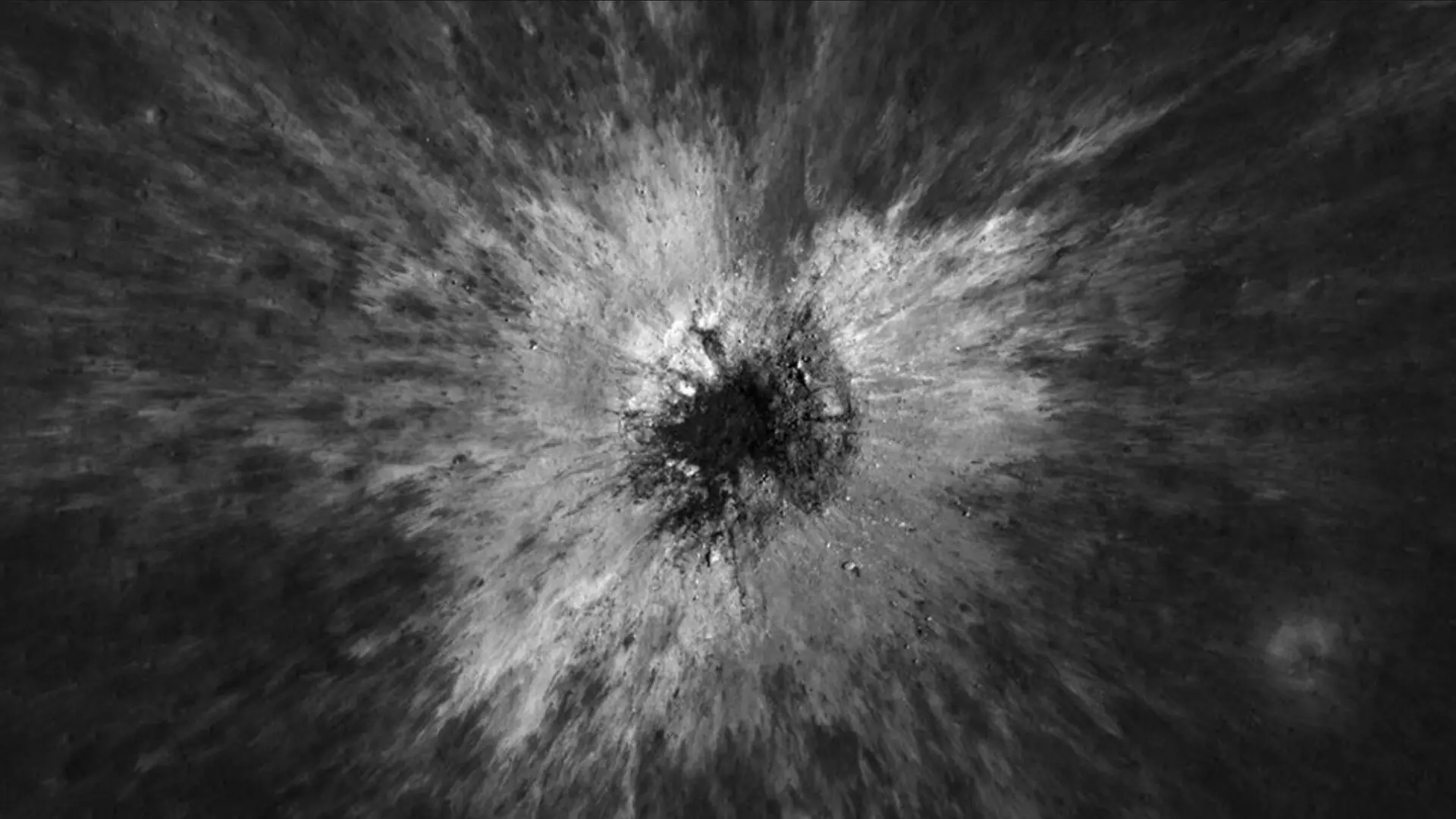
A routine comparative analysis of lunar imagery has unveiled a massive, previously unseen scar on the Moon’s surface. NASA’s Lunar Reconnaissance Orbiter (LRO) captured evidence of a powerful collision that carved out a crater 222 meters (728 feet) wide, marking it as the largest impact event ever recorded in the Solar System through direct before-and-after observations.
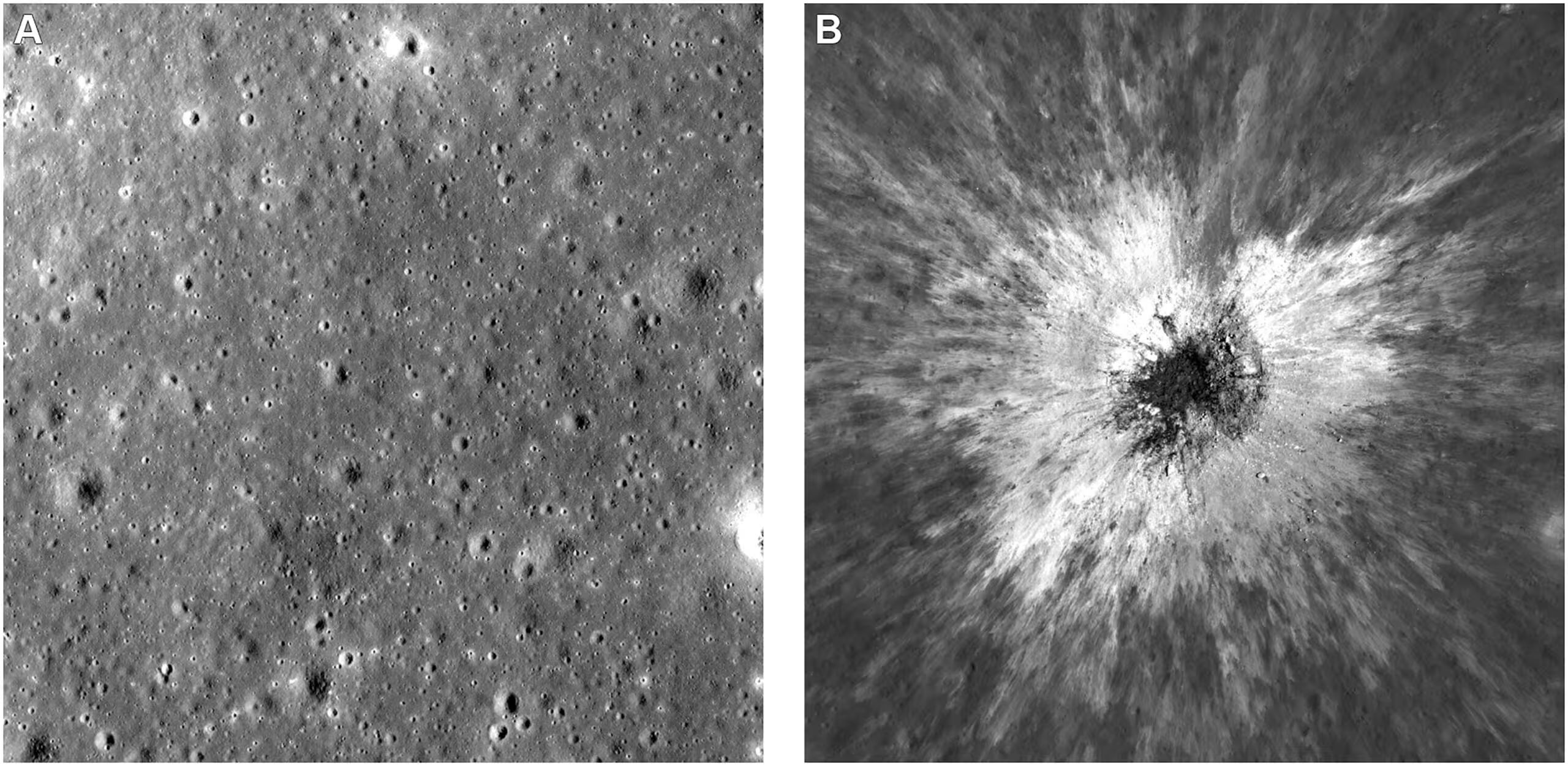
A Rare Glimpse of Lunar Evolution
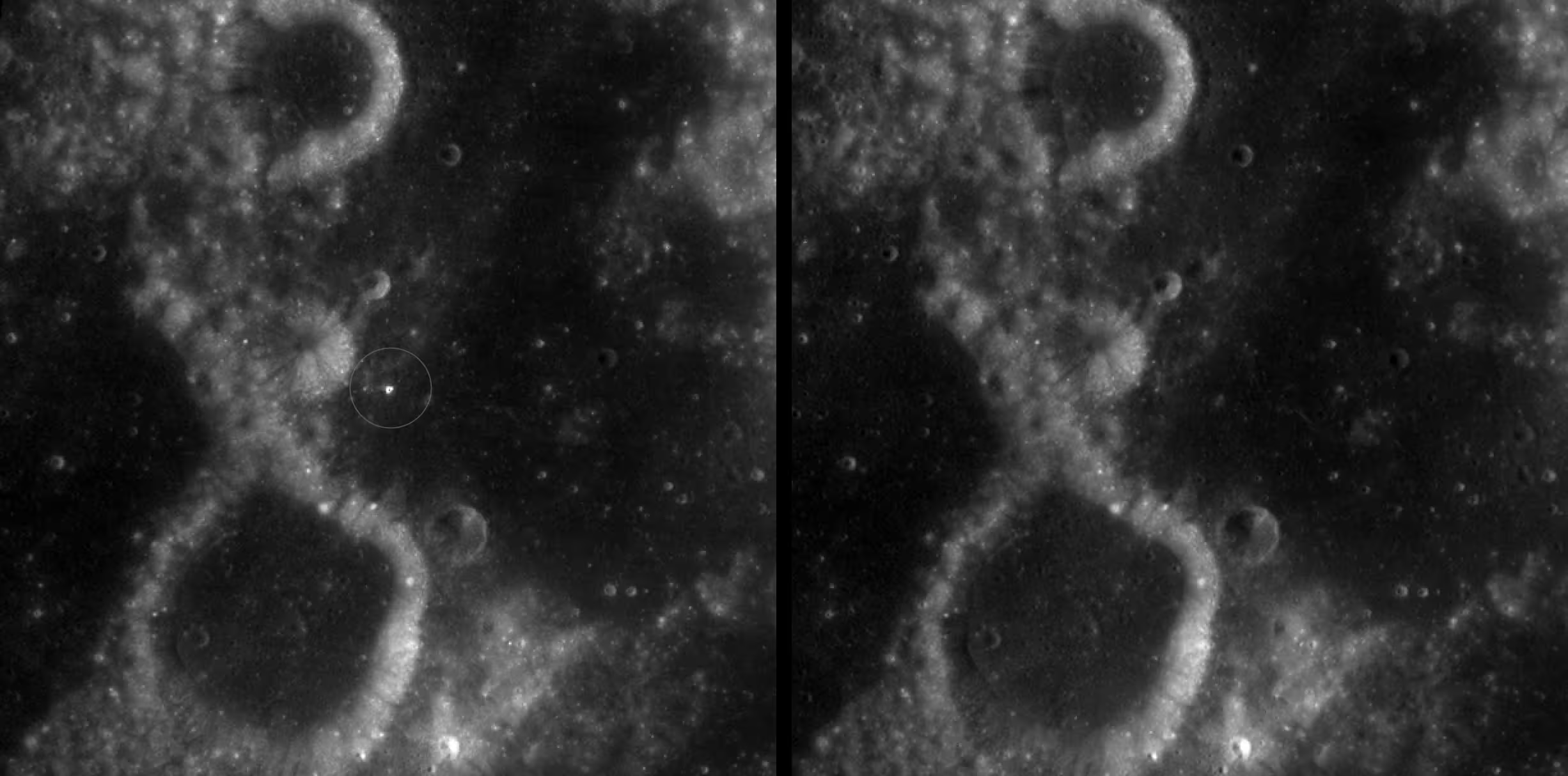
The newly identified site, named McGetchin crater, appeared between April 11 and May 22, 2024. Situated near the Moon’s eastern limb, the crater measures roughly 43 meters (141 feet) in depth. According to research published in Science Advances, an impact of this magnitude is estimated to occur only once every 132 years, providing planetary scientists with a unique opportunity to analyze a pristine, “fresh” crater before natural erosion and space weathering obscure its features.
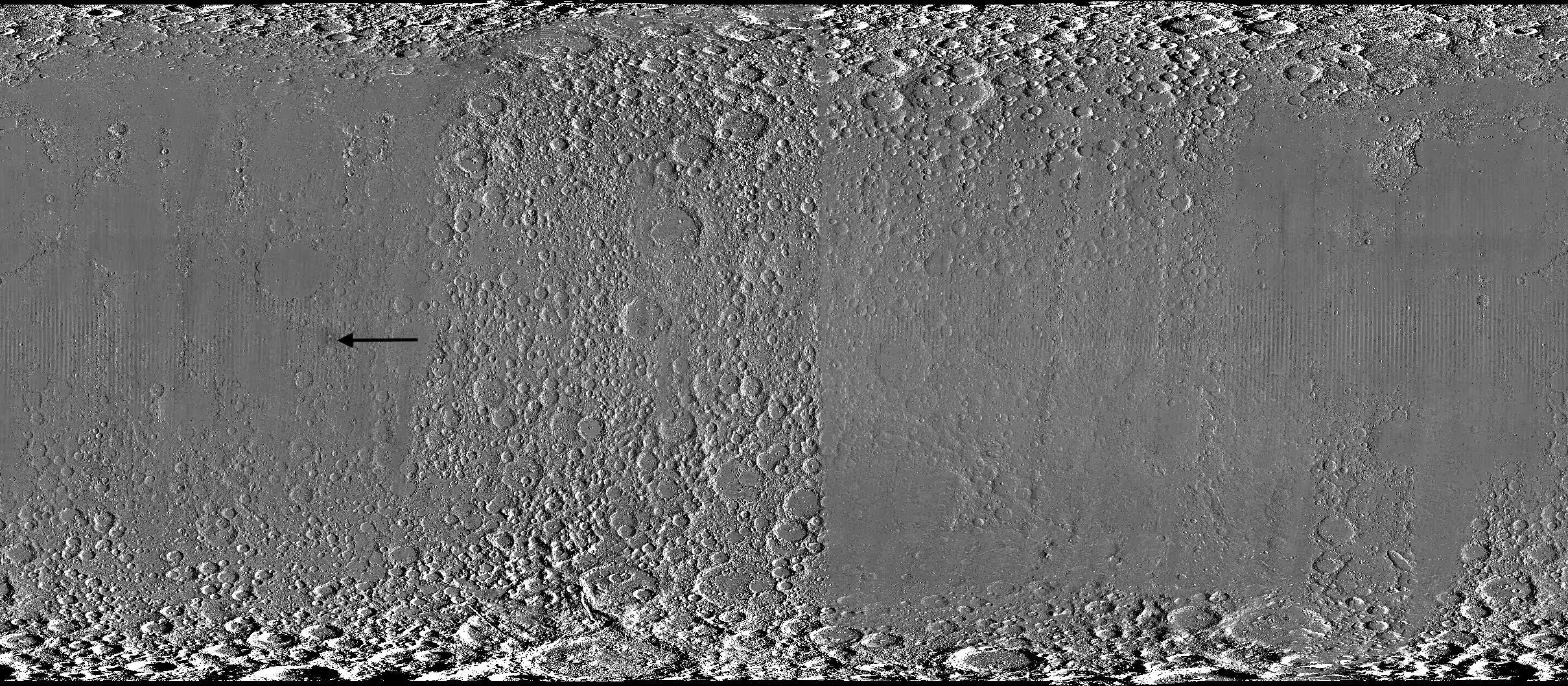
Robert Wagner, an image-processing expert with the LRO Camera system, first flagged the anomaly while reviewing global mosaics. “I just stopped, dropped everything, and started looking into what that spot was,” Wagner noted. The impactor, likely an asteroid or cometary fragment roughly the size of a multi-story building, released an estimated 6.5 × 10^10 kilojoules of energy upon collision—an order of magnitude greater than any other contemporary crater identified by the LRO mission.
Impact Effects Beyond the Crater
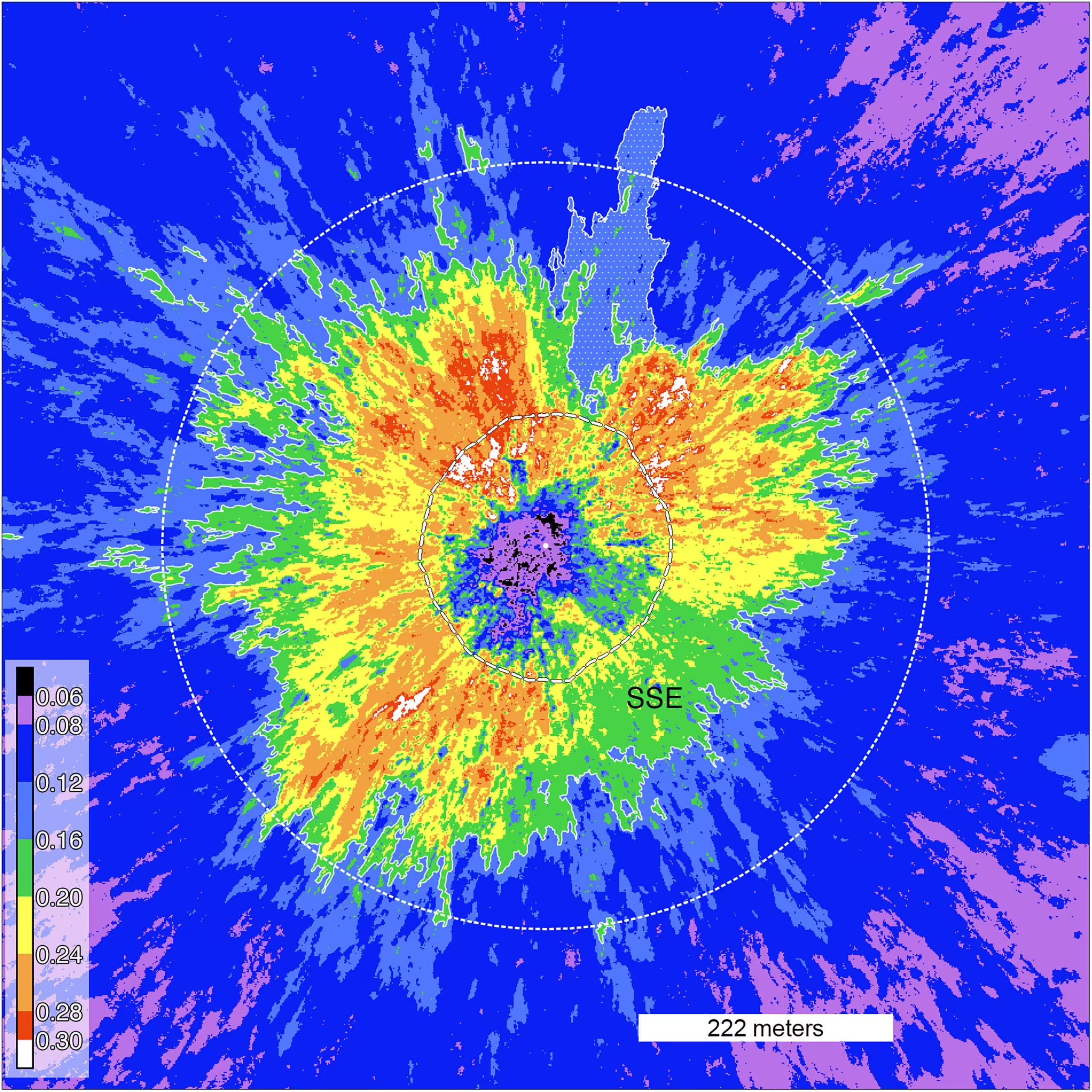
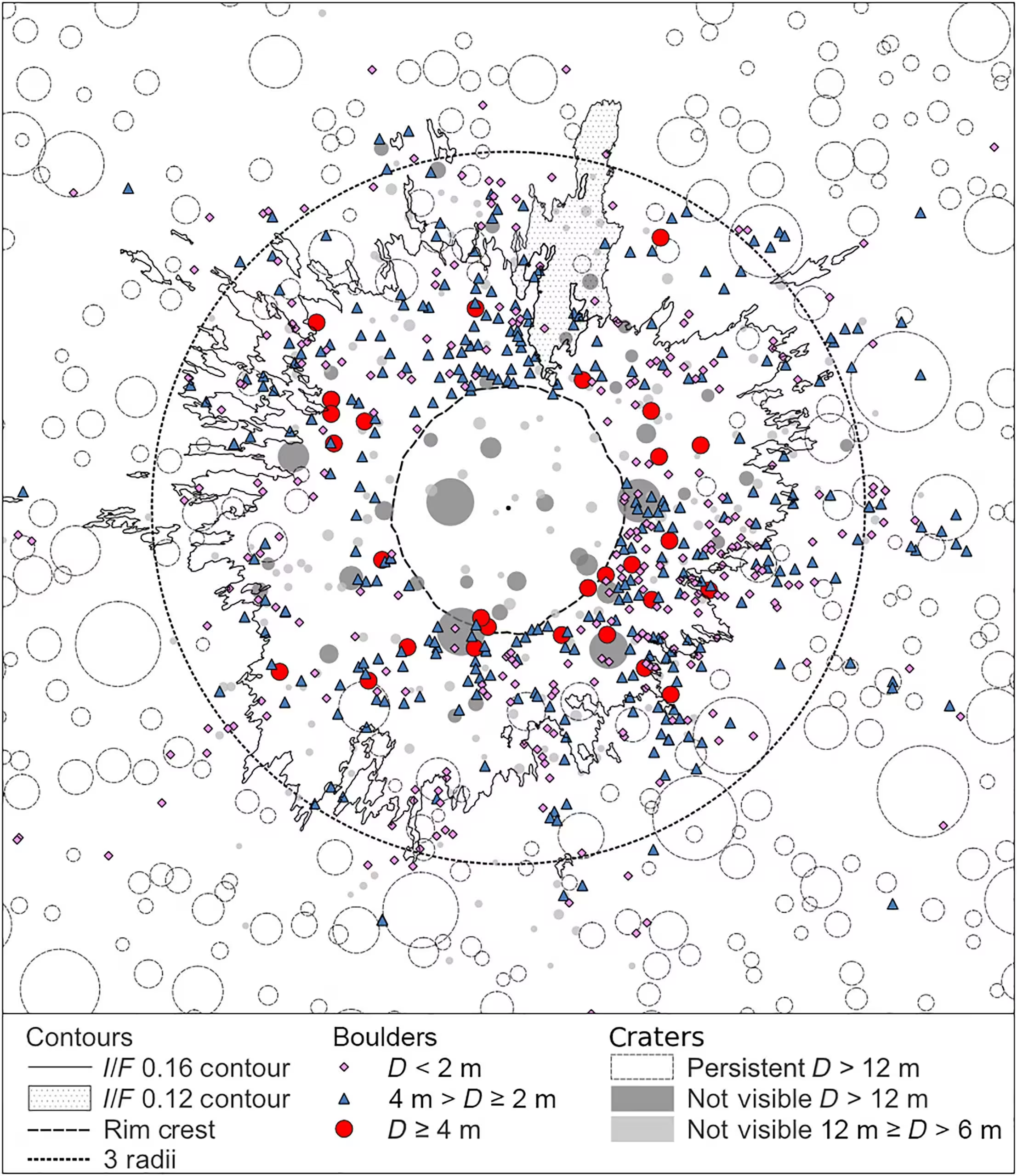
The energy of the event reshaped the lunar surface far beyond the immediate point of impact. Detailed imaging revealed a continuous blanket of debris surrounding the site, featuring boulders as large as 13 by 9 by 3 meters. Even more striking was the discovery of a broader, darker zone of surface disturbance reaching outward for more than 120 kilometers. Scientists believe this extensive footprint was created by high-velocity vapor, molten droplets, and fine dust ejected during the initial stages of the collision.
Thermal data collected by the Diviner Lunar Radiometer Experiment identified an additional, unexpected phenomenon: a “cold spot” spanning roughly 4 miles (6.4 kilometers) around the crater. Researchers found that this area registers about 16 degrees Fahrenheit cooler at night than the surrounding terrain. The impact physically altered the lunar regolith, creating a less dense, “fluffed up” surface layer that sheds heat more rapidly than the compacted, undisturbed soil nearby.
Why Monitoring Matters
Because the Moon lacks a substantial atmosphere to shield it from debris, it serves as a dynamic laboratory for geological processes. With over 1,000 new craters identified by the LRO mission to date, McGetchin underscores the reality that the lunar surface is constantly being rewritten by small but energetic impacts.
This discovery has practical implications for future lunar exploration, including missions involving rovers and human personnel. Understanding how these impacts shift regolith and create hazardous debris fields is vital for site selection and the long-term safety of lunar infrastructure. As scientists continue to study the site, McGetchin stands as a key reference point for validating models of crater formation in complex, mixed-geology terrains.
![Regional geologic context map. Basemap colors represent WAC normalized reflectance [30° incidence angle, 0° emission angle, and 30° phase angle], 100 m topographic contours (red) from SLDEM.](https://www.bioscience.com.pk/images/1eb6ae1664.avif)
Essential Research References
- Quantifying crater production and regolith overturn on the Moon with temporal imaging (Nature, 2016)
- Lunar cold spots: Granular flow features and extensive insulating materials surrounding young craters (Icarus, 2014)
- The Lunar Reconnaissance Orbiter mission – six years of science and exploration at the Moon (Icarus, 2016)
- The global surface temperatures of the Moon as measured by the Diviner Lunar Radiometer Experiment (Icarus, 2017)
- NASA’s Moon Orbiter Spots New, ‘Once-in-Century’ Moon Crater (NASA, 2026)
This article has been fact checked for accuracy, with information verified against reputable sources. Learn more about us and our editorial process.
Last reviewed on .
Article history
- Latest version
Reference(s)
- Robinson, Mark S.., et al. “A new 222-m diameter lunar crater.” Science Advances, vol. 12, no. 38, September 18, 2026 American Association for the Advancement of Science (AAAS), doi: 10.1126/sciadv.aeh7812. <https://www.science.org/doi/10.1126/sciadv.aeh7812>.
- “Spectacular McGetchin Crater.” <https://lroc.im-ldi.com/>.
- Speyerer, Emerson J.., et al. “Quantifying crater production and regolith overturn on the Moon with temporal imaging.” Nature, vol. 538, no. 7624, October 12, 2016, pp. 215-218. Springer Science and Business Media LLC, doi: 10.1038/nature19829. <https://doi.org/10.1038/nature19829>.
- Bandfield, Joshua L.., et al. “Lunar cold spots: Granular flow features and extensive insulating materials surrounding young craters.” Icarus, vol. 231, March 1, 2014, pp. 221-231. Elsevier BV, doi: 10.1016/j.icarus.2013.12.017. <https://doi.org/10.1016/j.icarus.2013.12.017>.
- Keller, J.W.., et al. “The Lunar Reconnaissance Orbiter Mission – Six years of science and exploration at the Moon.” Icarus, vol. 273, July 1, 2016, pp. 2-24. Elsevier BV, doi: 10.1016/j.icarus.2015.11.024. <https://doi.org/10.1016/j.icarus.2015.11.024>.
- Williams, J.-P.., et al. “The global surface temperatures of the Moon as measured by the Diviner Lunar Radiometer Experiment.” Icarus, vol. 283, February 1, 2017, pp. 300-325. Elsevier BV, doi: 10.1016/j.icarus.2016.08.012. <https://doi.org/10.1016/j.icarus.2016.08.012>.
- Shekhtman, Lonnie. “NASA’s Moon Orbiter Spots New, ‘Once-in-Century’ Moon Crater - NASA Science.”, September 16, 2026 NASA <https://science.nasa.gov/solar-system/moon/nasas-moon-orbiter-spots-new-once-in-century-moon-crater/>.
Cite this page:
- Posted by Aisha Ahmed