May 2026 Night Sky Will Shine With Meteor Showers, A Blue Moon, A Rare Alignment, and More!
A seldom-seen azure moon, cascading meteor showers, and the radiant heart of the Milky Way converge to make May an exceptionally breathtaking period for celestial observation in recent times.
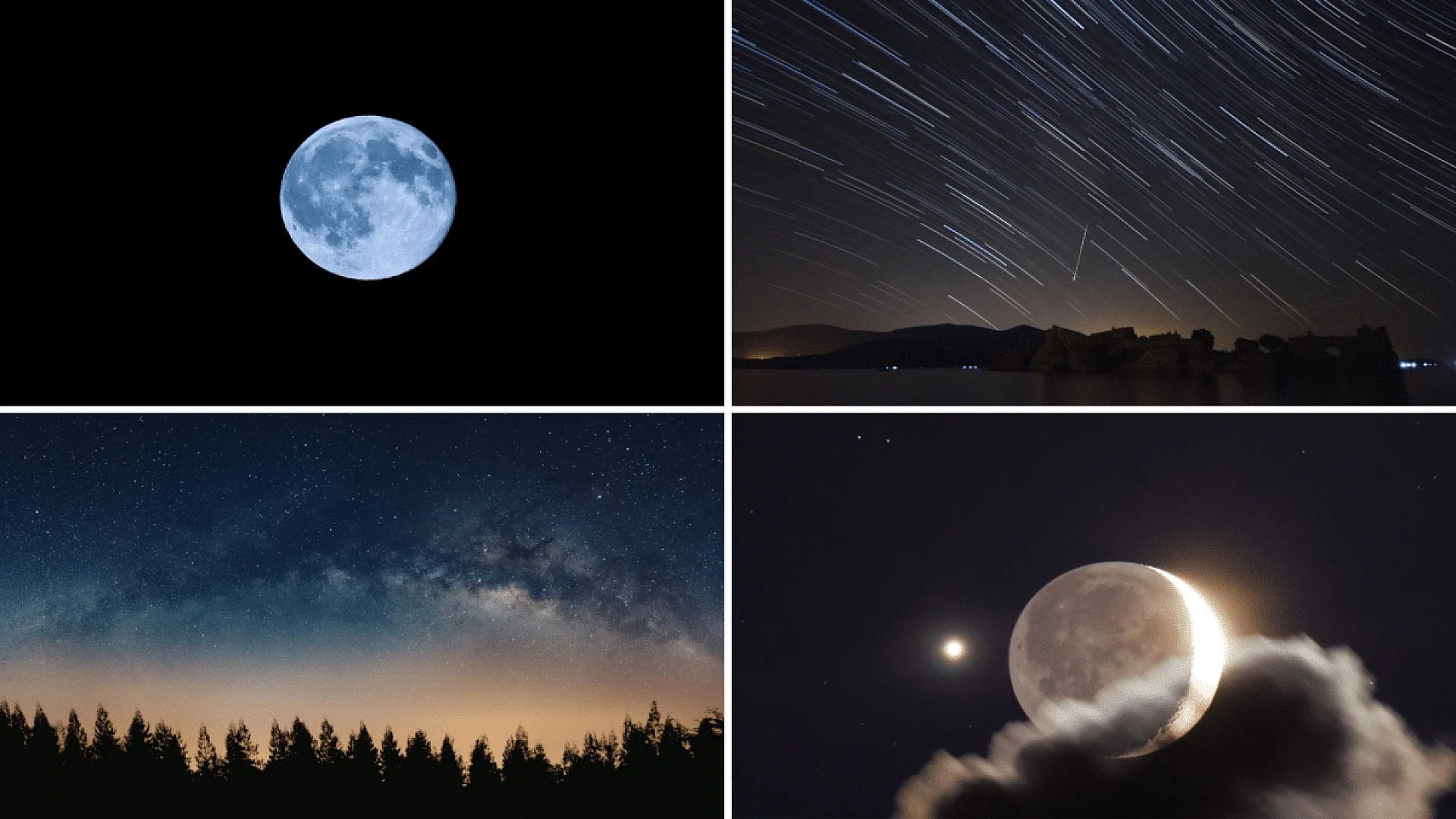
A spectacular convergence of celestial events is poised to transform the night sky in May, offering an unparalleled observing experience for both amateur stargazers and seasoned astronomers. From a rare blue moon to peak meteor activity and an extended view of the Milky Way core, this month promises an exceptionally rich lineup of celestial targets.
A Month of Unpredictable Lunar Activity and Rare Celestial Alignments
May kicks off with a full moon, known as the Flower Moon, which peaks on May 1 and marks the beginning of a relatively uncommon occurrence – two full moons within a single calendar month. The second full moon on May 31 qualifies as a blue moon, a phenomenon that occurs when the lunar cycle deviates from its typical 29.5-day cycle.
The timing of these lunar phases plays a pivotal role in shaping visibility for other sky events. Early in the month, moonlight interferes with faint objects, while mid-May’s new moon creates ideal dark-sky conditions, making it an ideal time for observers to capture deep-space targets or witness the Milky Way in high contrast.
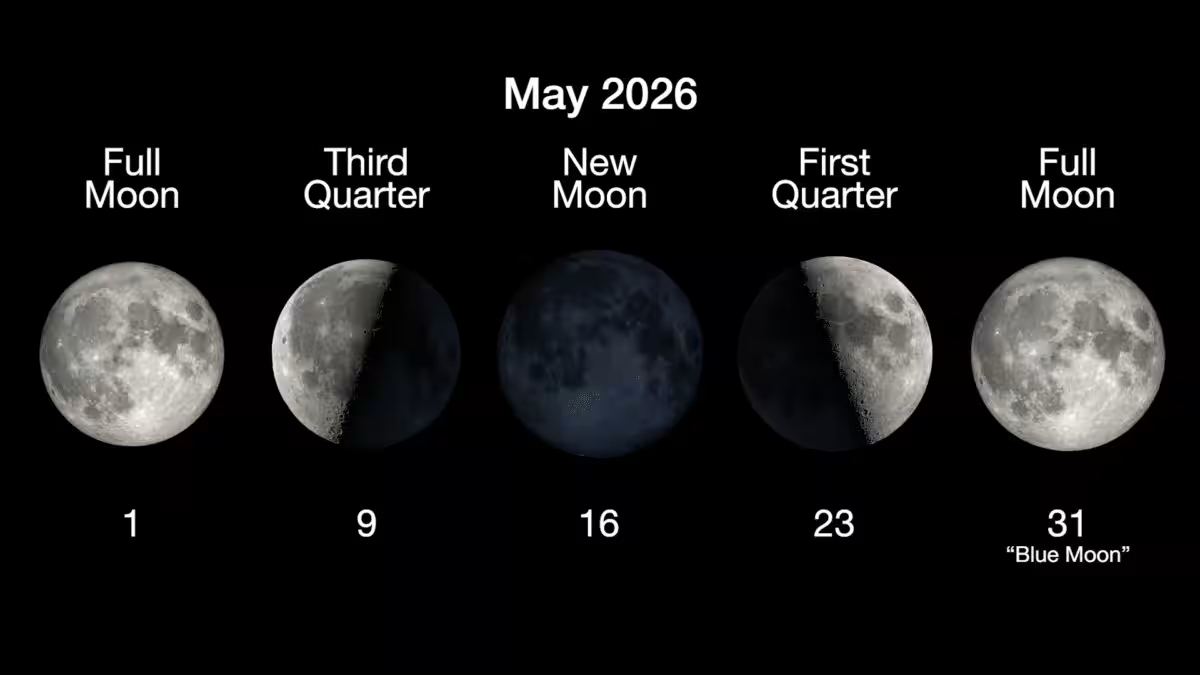
Meteor Showers and Planetary Alignments Take Center Stage
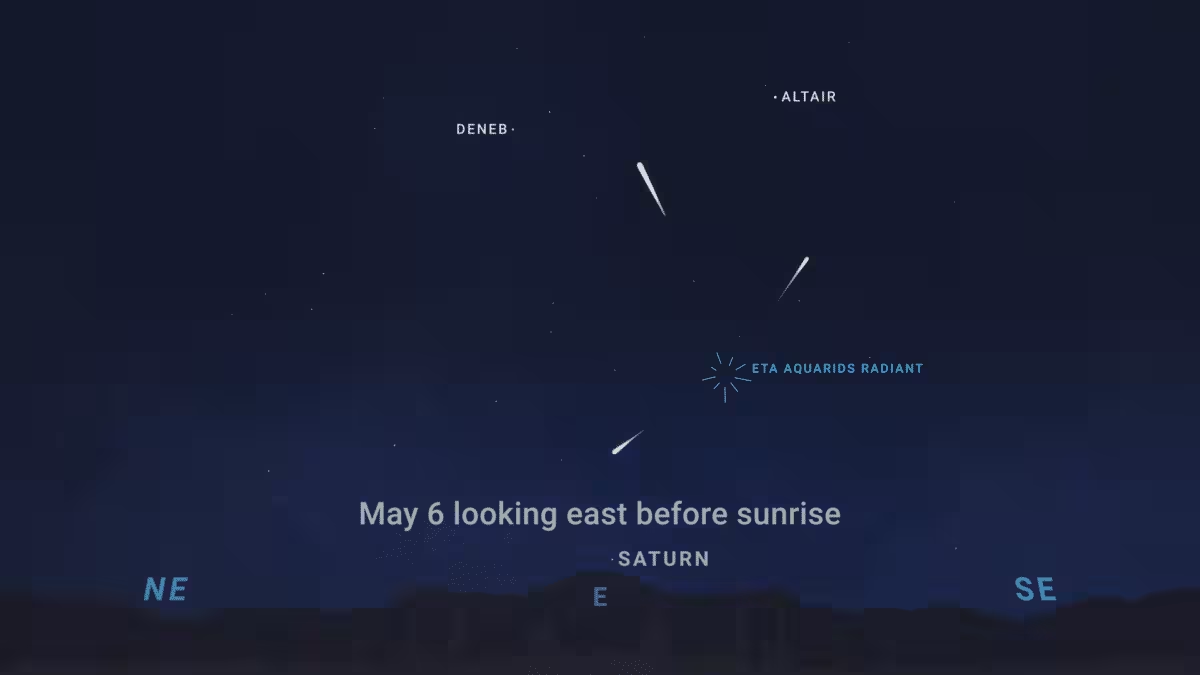
One of the most anticipated events is the Eta Aquariid meteor shower, which peaks overnight between May 5 and 6. This shower is known for producing fast, bright streaks that often leave lingering trails. According to NASA, this shower originates from debris left by Halley’s Comet. Under optimal conditions, it can produce dozens of meteors per hour, particularly in the Southern Hemisphere. However, a waning gibbous Moon will reduce visibility, limiting the show to the brightest meteors.
Planetary movements add another layer of interest. On May 12 and 13, Mars, Saturn, and a thin crescent moon will align closely in the eastern sky just before sunrise, according to National Geographic. This rare visual grouping creates a near-linear formation that is easily visible to the naked eye. A few days later, on May 18, the Moon pairs with Venus in the western sky shortly after sunset, forming one of the brightest conjunctions of the month. Jupiter and Mercury also join the evening lineup, offering a multi-planet viewing opportunity that evolves night by night.

Milky Way Viewing Reaches A Seasonal Peak
The most striking feature of May’s night sky is the return of the Milky Way core to prominence in the Northern Hemisphere. Around the new moon on May 16, the absence of lunar light allows the galaxy’s brightest region to emerge with clarity. Rising around 11 p.m. and remaining visible until dawn, the core becomes a central target for both observers and astrophotographers.
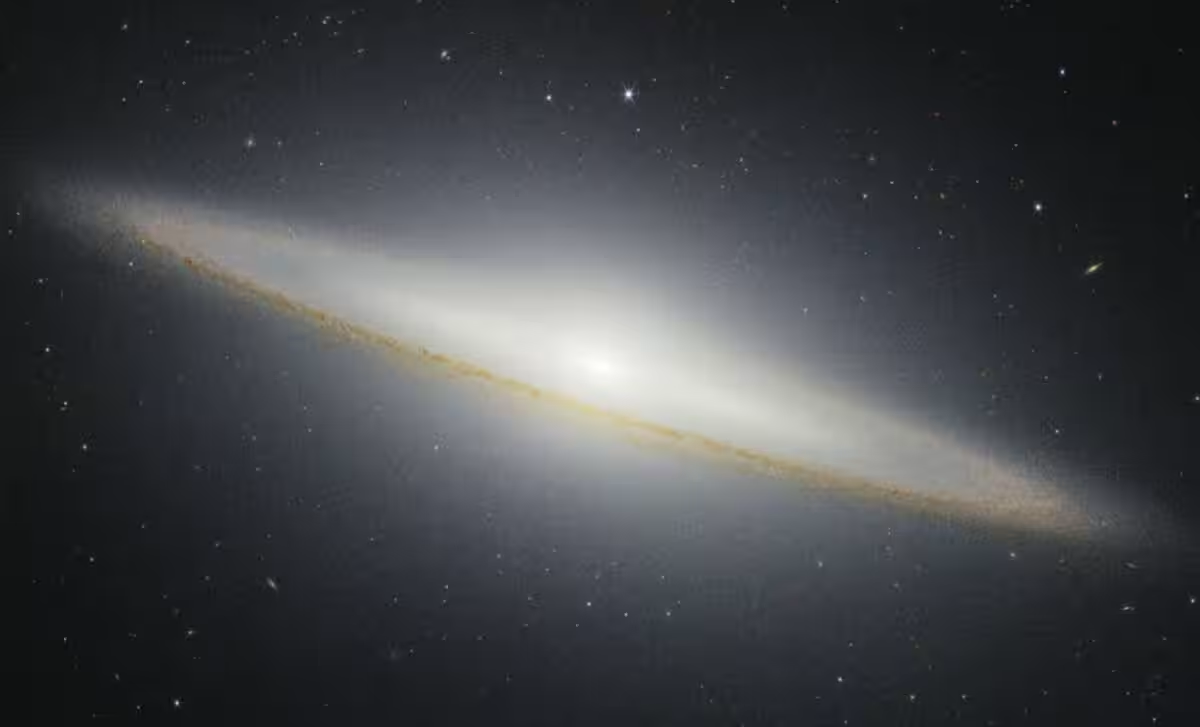
Dark-sky locations significantly enhance this experience, revealing intricate dust lanes and dense star clusters within the galactic center. Telescopic observers can also take advantage of these conditions to locate nearby galaxies such as the Whirlpool Galaxy and the Sombrero Galaxy. According to National Geographic, this mid-month period represents the best opportunity in May to explore deep-sky objects with minimal interference.
Planetary Guides and Subtle Sky Changes Throughout the Month
Beyond major events, May offers subtle shifts that reward consistent observation. Jupiter plays a key role as a navigational marker, sitting near the bright stars Pollux and Castor in the constellation Gemini. Its steady brightness makes it one of the easiest reference points for locating surrounding stars.
At the same time, the apparent distance between Venus and Jupiter decreases steadily throughout the month, shrinking from a wide separation to a much tighter visual pairing by late May. Mercury gradually becomes more visible as it approaches its greatest eastern elongation in June, adding another bright point to the western horizon after sunset.
These gradual changes underscore a broader pattern: May is not defined by a single event, but by a layered progression of celestial highlights that evolve night after night. For observers willing to track these shifts, the sky offers a dynamic and continuously changing display that extends far beyond isolated peak dates.
This article has been fact checked for accuracy, with information verified against reputable sources. Learn more about us and our editorial process.
Last reviewed on .
Article history
- Latest version
Reference(s)
- Hartono, Naomi. “What’s Up: May 2026 Skywatching Tips from NASA - NASA Science.”, April 30, 2026 NASA <https://science.nasa.gov/solar-system/whats-up-may-2026-skywatching-tips-from-nasa/>.
- Vermillion, Stephanie. “8 night sky events to see in May, from a blue moon to a Milky Way showstopper.”, April 30, 2026 National Geographic <https://www.nationalgeographic.com/science/article/may-night-sky-events-2026>.
Cite this page:
- Posted by Aisha Ahmed