Scientists May Have Discovered a Lost Galaxy Inside the Milky Way Lurking in Plain Sight Among Ancient Stars
A gathering of antique stars hints that the Milky Way could be concealing the vestiges of an enigmatic vanished galaxy dubbed Loki.
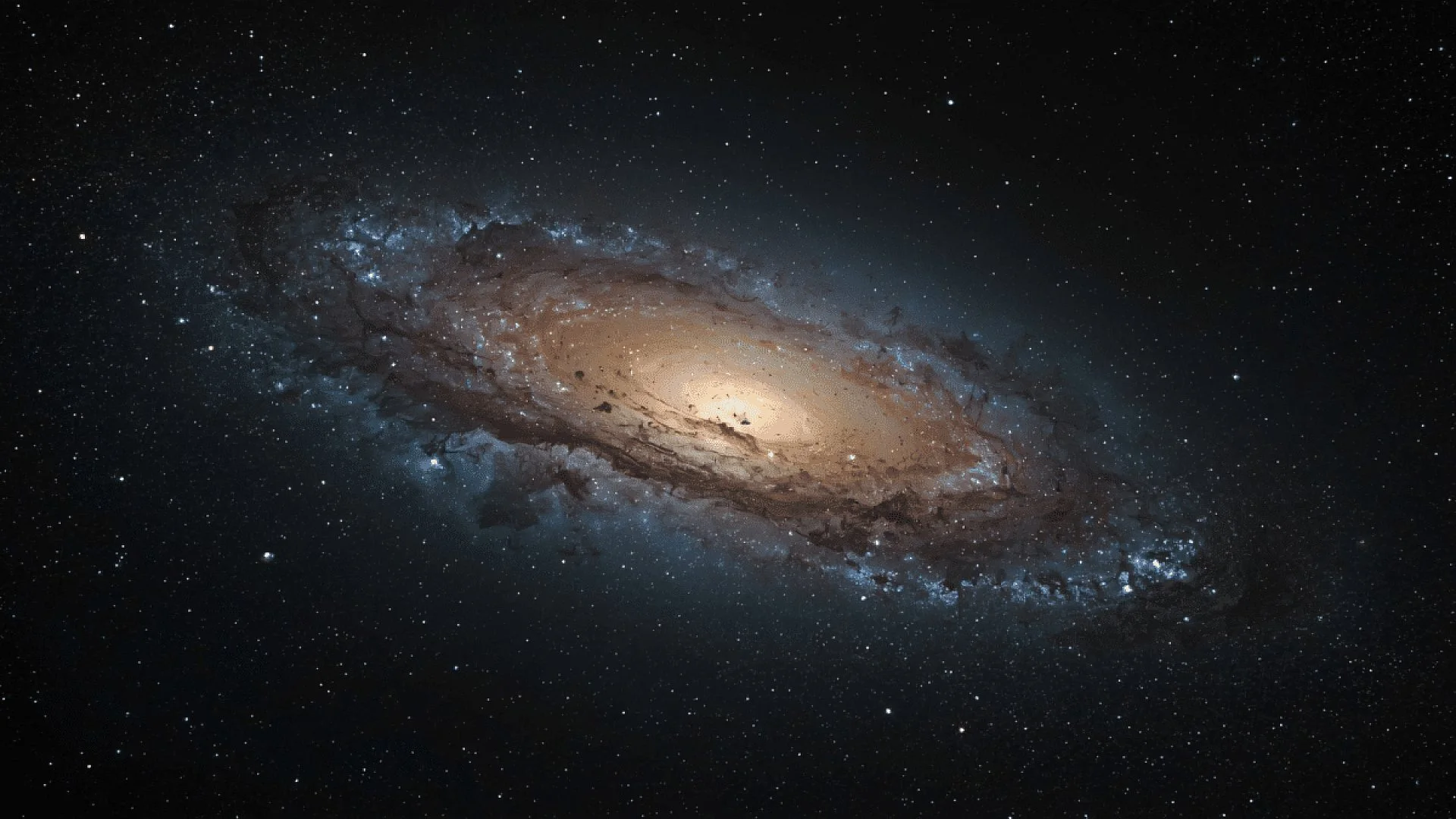
A groundbreaking study published in Monthly Notices of the Royal Astronomical Society reveals that the Milky Way may be concealing remnants of a previously unknown dwarf galaxy, dubbed Loki, hidden within its disk. This extraordinary finding sheds new light on the galaxy’s formation and evolution, pointing to a missing chapter in its history.
The Hidden Legacy of Loki
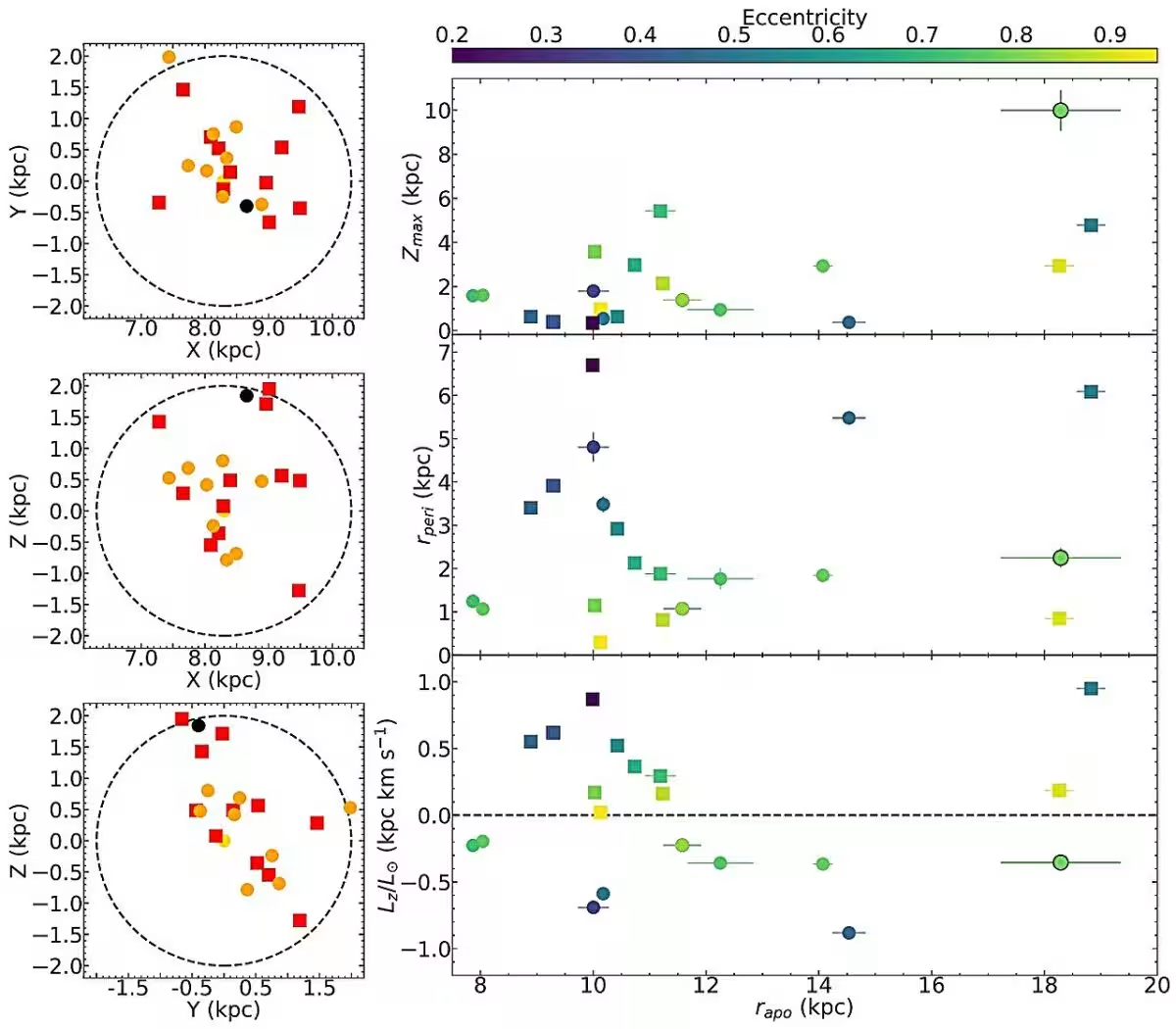
Astronomers have long known that the Milky Way grew by absorbing smaller galaxies, leaving behind a trail of stellar debris scattered across its halo and disk. Researchers focused on a select group of 20 metal-poor stars, objects that formed early in cosmic history and retain chemical fingerprints of their birth environments. These stars, found within the galactic plane, stood out due to their unique compositions and orbital behavior, which didn’t match typical populations seen in either the halo or known merger remnants.
Unraveling the Mystery of Metal-Poor Stars
The team identified unusual patterns in elemental abundances, pointing to enrichment from hypernovae, fast-rotating massive stars, and neutron star mergers. The absence of signatures linked to white dwarf explosions suggests a short-lived and intense star formation history. This rare combination points toward a compact, energetic dwarf galaxy origin. Both prograde and retrograde stars in the sample shared nearly identical chemical traits, strengthening the case that they came from a single, now-dispersed system rather than multiple unrelated sources.
Metal-Poor Stars as Cosmic Fossils
The importance of metal-poor stars extends beyond their age, as they act as cosmic fossils. Their low abundance of heavy elements reflects a time when the universe had not yet been enriched by multiple generations of stellar evolution. By studying them, astronomers can reconstruct how galaxies like ours formed and evolved over billions of years.
“These building blocks merged together at early epochs, dispersing their stellar, gaseous, and dark matter content into the forming proto-galaxy. Therefore, the most metal-poor stars coming from the early galactic assembly are supposed to populate the inner regions of the Milky Way, while those accreted later might be dispersed in the outer halo,” the study authors explain.
The Orbital Puzzle: One Galaxy or Two?
A key question raised by the discovery is whether the stars truly originated from a single dwarf galaxy or from two separate systems with similar histories. The presence of both prograde (aligned with the Milky Way’s rotation) and retrograde (opposite direction) orbits complicates the picture. However, the chemical evidence tells a different story, with near-identical abundance patterns across all 20 stars suggesting a shared evolutionary pathway, pointing strongly toward a single progenitor system.
A Hidden Structure Waiting to be Confirmed
The proposed Loki galaxy remains tentative, built on a relatively small sample of stars. Researchers acknowledge that larger datasets will be needed to confirm its existence and fully map its structure. Upcoming spectroscopic surveys such as WEAVE and 4MOST are expected to provide high-precision measurements across vast numbers of stars in the Milky Way.
If confirmed, Loki would represent a rare example of a dwarf galaxy remnant embedded within the galactic disk rather than the halo. This would reshape current models of how merger debris is distributed and how the Milky Way assembled its mass over time.
The discovery hints that our galaxy may still conceal multiple such relics, hidden in plain sight among billions of stars. Each one carries a fragment of the Milky Way’s past, waiting to be uncovered through careful analysis of motion, chemistry, and time.
This article has been fact checked for accuracy, with information verified against reputable sources. Learn more about us and our editorial process.
Last reviewed on .
Article history
- Latest version
Cite this page:
- Posted by Aisha Ahmed