Astronomers Discover Massive Hidden Structures Pointing Straight At Milky Way Black Hole
A recently uncovered web of light-year-spanning strands close to the heart of the Milky Way offers fresh insights into the historical behavior of Sagittarius A*.
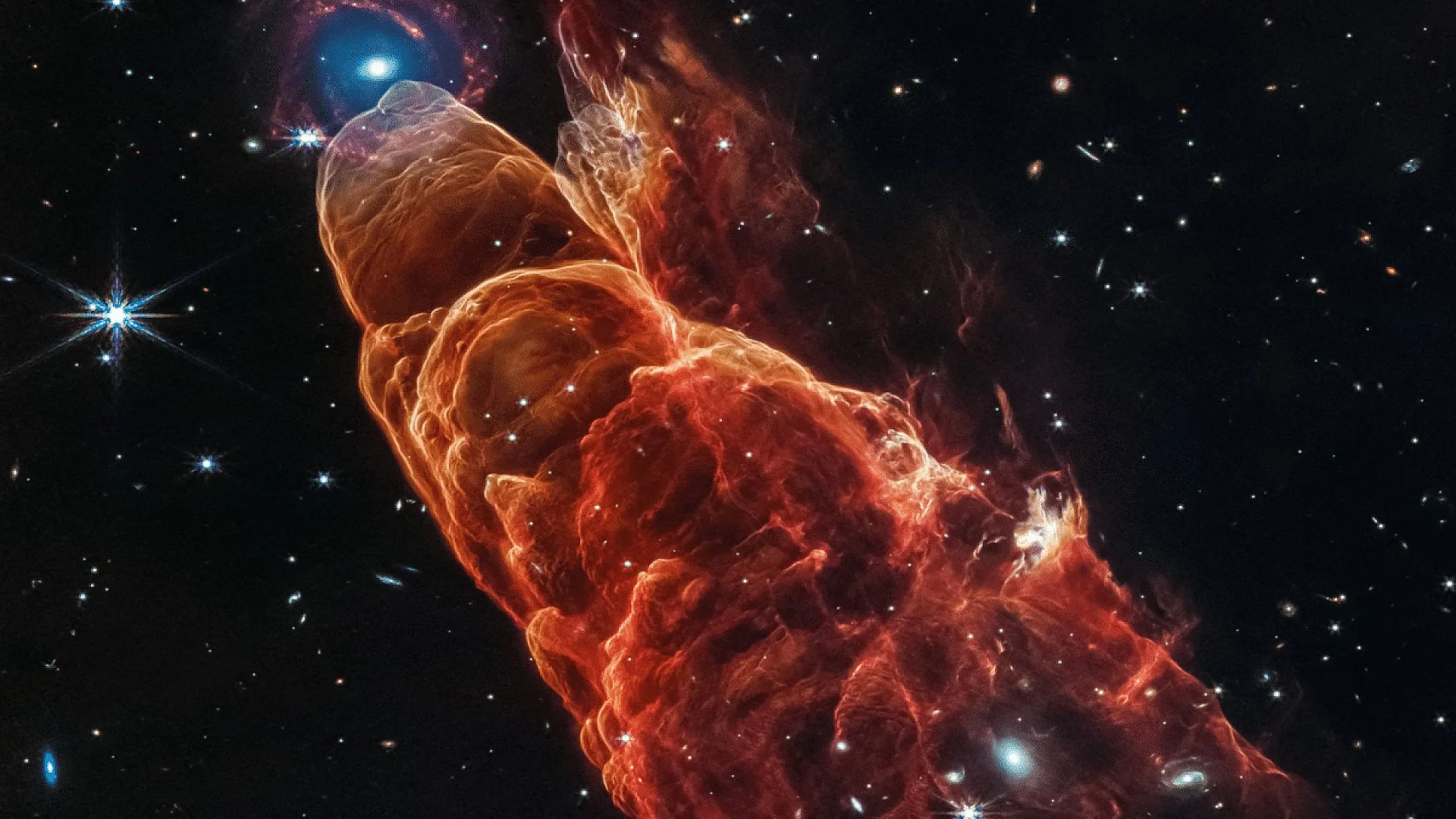
A groundbreaking discovery near the heart of the Milky Way has shed new light on the behavior of Sagittarius A, our galaxy’s central supermassive black hole. The finding, published in The Astrophysical Journal Letters, reveals a previously unknown population of thread-like structures stretching across several light-years, challenging our understanding of the black hole’s influence on its cosmic environment.
A New Era of Galactic Research Unfolds
The newly identified filaments, measuring between 5 and 10 light-years, are oriented horizontally along the galactic plane, a stark contrast to the vertical filaments previously studied. These structures appear to radiate toward Sagittarius A, suggesting a direct physical connection with the supermassive black hole. This discovery introduces a new geometry and behavior within the same region, raising questions about how the black hole shapes its surroundings.
The study, led by Farhad Yusef-Zadeh of Northwestern University, utilized advanced imaging techniques with the MeerKAT radio telescope in South Africa to reveal features that had remained invisible in earlier surveys. By distinguishing the horizontal filaments from surrounding emissions, researchers confirmed their organized structure and provided new insights into the black hole’s behavior.
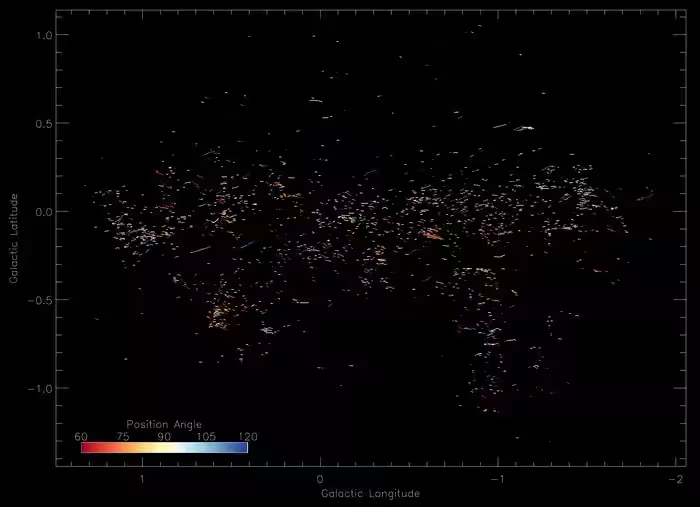
Credit: Farhad Yusef-Zadeh/Northwestern University
Unlocking the Secrets of Sagittarius A
The discovery of these horizontal filaments has significant implications for our understanding of the black hole’s behavior and the dynamics of the galactic core. By studying these structures, researchers can gain insights into the black hole’s spin and accretion disk orientation, which are essential for understanding the black hole’s influence on its surroundings.
“This discovery is a game-changer for our understanding of the black hole’s behavior,” said Farhad Yusef-Zadeh. “The new observations have given us new information, and it’s really a technical achievement from radio astronomers.” The breakthrough is a testament to the power of advanced imaging techniques and the importance of continued research into the mysteries of the universe.
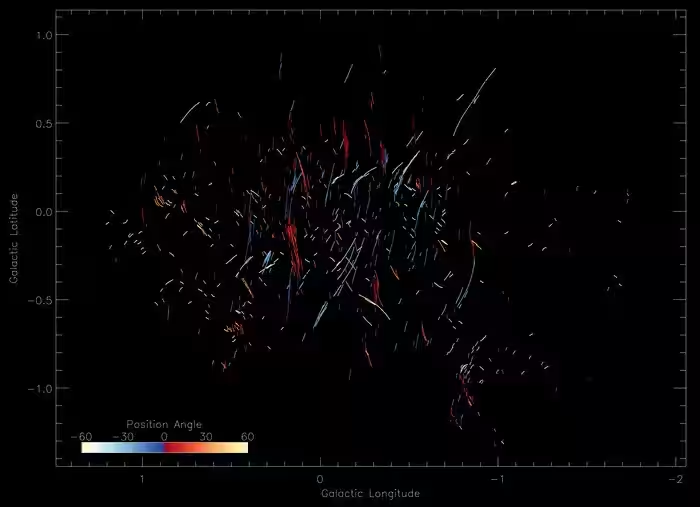
Credit: Farhad Yusef-Zadeh/Northwestern University
A New Perspective on Galactic Evolution
The discovery of these horizontal filaments has opened up new avenues of research into the evolution of the galaxy and the behavior of supermassive black holes. By studying these structures, researchers can gain insights into the dynamic and evolving nature of the galactic core.
“We think they must have originated with some kind of outflow from an activity that happened a few million years ago,” said Farhad Yusef-Zadeh. “It seems to be the result of an interaction of that outflowing material with objects near it. Our work is never complete. We always need to make new observations and continually challenge our ideas and tighten up our analysis.”
This article has been fact checked for accuracy, with information verified against reputable sources. Learn more about us and our editorial process.
Last reviewed on .
Article history
- Latest version
Cite this page:
- Posted by Aisha Ahmed