Hubble And Webb Discover Ancient Frozen Worlds Still Hiding Secrets Of Our Solar System Birth
NASA’s Hubble and Webb telescopes have discovered that small, icy objects beyond Neptune may hold the key to understanding the early history of our planets.
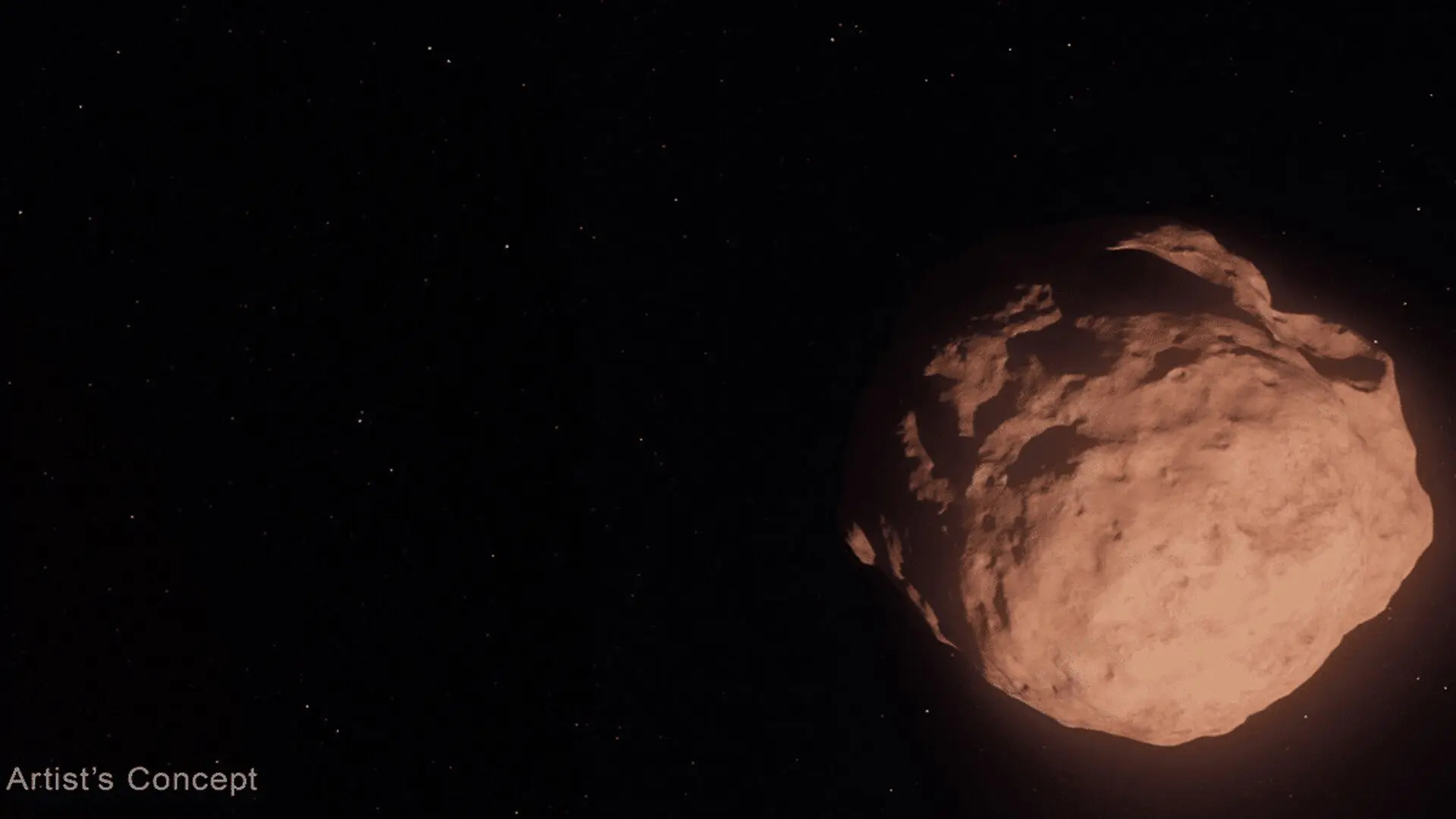
A collaborative investigation by the Hubble and James Webb Space Telescopes has uncovered a surprising truth about the deep reaches of our solar system: some of the smallest, most distant icy bodies appear to be pristine time capsules from the dawn of planetary formation. These trans-Neptunian objects (TNOs), orbiting far beyond Neptune, act as ancient witnesses to the chaotic early history of our celestial neighborhood, offering researchers a rare look at how the building blocks of planets were first assembled.
The findings, detailed in two papers published in the Astronomical Journal, challenge established theories regarding the evolution of these frigid remnants. While scientists previously assumed that billions of years of collisions would have scoured and altered the surfaces of these objects, the data suggests that even the smallest bodies retain chemical signatures that mirror their larger, more stable counterparts.
Untangling the Origins of Ancient Planetesimals
The region past Neptune is home to remnants of the primordial solar nebula, where dust and icy grains coalesced into larger structures known as planetesimals. While inner-system materials were largely consumed to build planets and moons, the outer reaches acted as a deep-freeze, preserving a record of the raw materials that existed over 4 billion years ago.
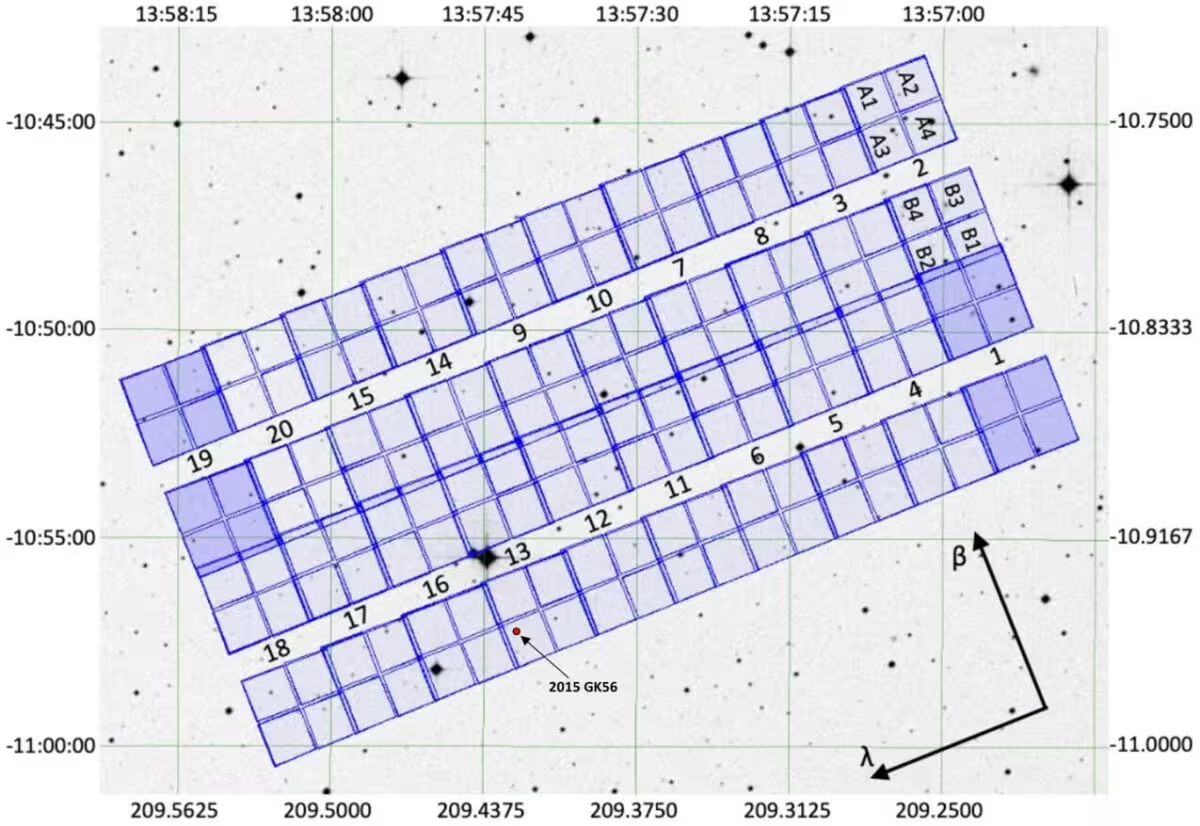
Researchers from the University of Victoria and Northern Arizona University utilized the distinct spectral capabilities of two flagship observatories to map 27 previously unknown TNOs. By combining Hubble’s visible-light color data with Webb’s infrared sensitivity, the team was able to categorize these bodies into two distinct groups: “cold” TNOs, which reside in stable, near-circular orbits, and “hot” TNOs, which were likely displaced during the gravitational migration of the giant planets.
Surface Colors Reveal a Resilient History
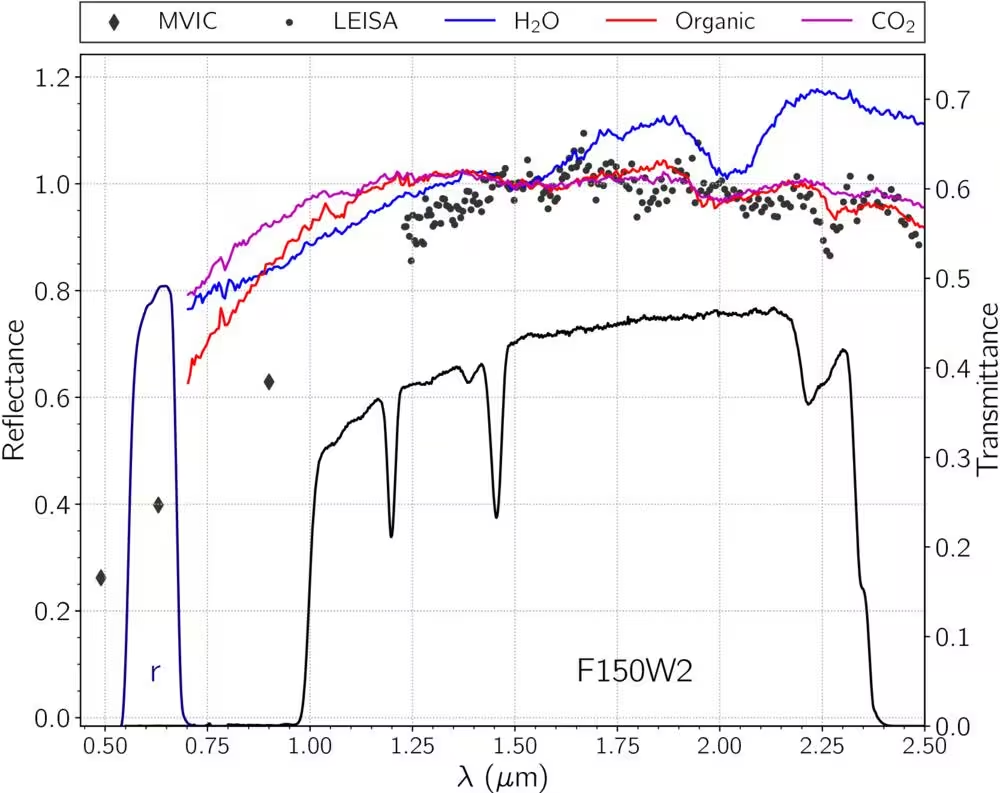
One of the most compelling aspects of the study is the discovery that small TNOs do not show the surface degradation expected from frequent impacts. If these objects had been ground down by millions of years of collisions, their chemical compositions and colors would theoretically differ from their larger siblings. Instead, the data shows a striking consistency.
“You could imagine a scenario where getting knocked around and fragmented would change the surface composition, and then you would see a different surface color for tiny TNOs compared to their larger siblings. So it’s really fascinating to see that the smallest objects are somehow ‘remembering’ and preserving the history of how they were made,” said Northern Arizona University researcher Anastasia Morgan, who spearheaded the color analysis.
This “memory” extends even to the dynamically “hot” population, which has endured significant orbital disruption. As co-author David Trilling noted, these objects carry a distinct signature of their birthplace, suggesting that the mechanisms governing their surface stability have been remarkably effective for eons.
Challenging Models of Planet Formation
Webb’s infrared precision also provided a new, clearer picture of the size distribution within these distant populations. Contrary to existing models that predicted different size characteristics based on the environment of origin, the telescope revealed that both hot and cold populations share surprisingly similar size distributions.
This uniformity implies that the initial process of building planetesimals might be more universal than previously thought, remaining largely unaffected by the local conditions of the protoplanetary disk. Marielle Eduardo of the University of Victoria, who led the size-distribution study, noted that the process appears “insensitive” to whether the disk was dense or sparse, hot or cold.
Furthermore, the survey found fewer of the smallest, ultra-tiny objects than researchers had anticipated. Among the discoveries was a TNO measuring just 3 miles (5 kilometers) in diameter—a milestone in observation that was only made possible by the extreme sensitivity of the James Webb Space Telescope. These results force a recalibration of current solar system models, suggesting that our understanding of how planets emerge from their icy origins is still evolving.
This article has been fact checked for accuracy, with information verified against reputable sources. Learn more about us and our editorial process.
Last reviewed on .
Article history
- Latest version
Cite this page:
- Posted by Aisha Ahmed