TSH Assay Generations: How Thyroid Testing Became More Precise Over Time
From first-generation radioimmunoassays to today’s ultrasensitive methods, TSH testing has steadily evolved. Here is how each assay generation improved sensitivity and reshaped the way thyroid disorders are diagnosed and monitored.
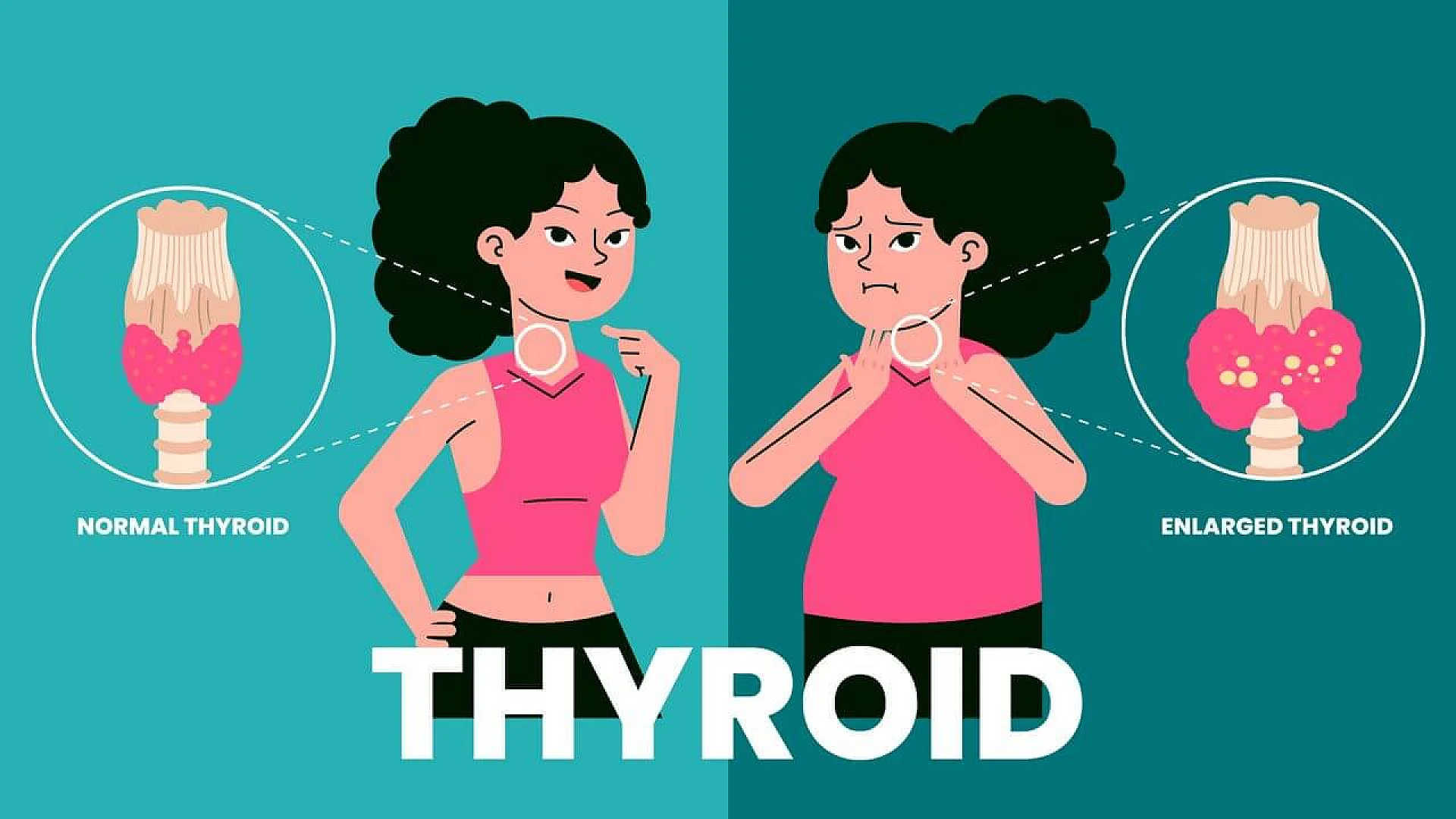
Thyroid-stimulating hormone, commonly called TSH, is one of the most important blood tests used to assess thyroid health. It acts like a messenger between the brain and the thyroid gland, quietly adjusting hormone production to keep the body in balance. Because of this central role, even small errors in measuring TSH can change a diagnosis, a treatment plan, or a long-term outcome.
Over the past several decades, TSH testing has evolved step by step. Each new generation of assays has made the test more sensitive, more reliable, and more useful in everyday clinical practice. Understanding these generations helps explain why modern thyroid testing is far more accurate than it used to be.
What does “generation” mean in TSH assays?
When laboratories talk about TSH assay generations, they are referring to how sensitive the test is. Sensitivity here means the lowest amount of TSH that can be measured accurately. As technology improved, assays became better at detecting very low TSH levels, which is especially important for identifying hyperthyroidism and subtle thyroid disorders.
Let us walk through these generations, one by one, in simple terms.
First-generation TSH assays
The first-generation TSH assays appeared in the 1960s. These tests were based on radioimmunoassay techniques, which were groundbreaking at the time. However, they had a major limitation.
They could only measure TSH at relatively high concentrations, usually above 1 to 2 mIU/L. This meant they were helpful mainly for diagnosing overt hypothyroidism, where TSH levels are clearly elevated. If a patient had very low TSH, the test often could not detect it at all.
As a result, first-generation assays could not reliably distinguish normal thyroid function from hyperthyroidism. Many results simply came back as “undetectable,” which left clinicians guessing.
Second-generation TSH assays
In the late 1970s and early 1980s, second-generation TSH assays were introduced. These assays used improved antibodies and more refined methods, which increased sensitivity to around 0.1 mIU/L.
This improvement mattered. For the first time, laboratories could detect suppressed TSH levels with better confidence. Differentiating between normal thyroid function and hyperthyroidism became more practical, although some borderline cases still caused confusion.
Second-generation assays were a clear step forward, but they were not perfect. Very low TSH levels, especially those seen in subclinical hyperthyroidism, were still difficult to measure precisely.
Third-generation TSH assays
Third-generation TSH assays changed thyroid testing in a big way. Introduced in the late 1980s and widely adopted in the 1990s, these assays moved away from radioactive methods and used immunometric techniques with non-radioactive detection systems.
Chemiluminescence and enzyme-based detection made it possible to measure TSH down to about 0.01 mIU/L. This level of sensitivity opened new doors in thyroid diagnosis.
Now, clinicians could clearly identify subclinical hyperthyroidism, monitor patients receiving thyroid hormone suppression therapy, and adjust treatment with much greater accuracy. Because of their balance between sensitivity, reliability, and cost, third-generation assays became the standard in most routine clinical laboratories.
Even today, when people talk about a “sensitive TSH test,” they are usually referring to a third-generation assay.
Fourth-generation TSH assays
Fourth-generation, or ultrasensitive, TSH assays take sensitivity one step further. These tests can measure TSH levels as low as 0.001 mIU/L.
Such extreme sensitivity is not required for routine thyroid screening. However, it becomes valuable in specialized situations. For example, patients with differentiated thyroid cancer often need very tight TSH suppression. In these cases, even tiny changes in TSH can be clinically meaningful.
Fourth-generation assays are also useful in research settings, where precise hormone measurement is critical. While they are not yet standard everywhere, they represent the cutting edge of TSH testing technology.
| Assay Generation | Functional Sensitivity (mIU/L) | Primary Clinical Use |
|---|---|---|
| First | > 1.0 | Diagnosing overt hypothyroidism |
| Second | ≈ 0.1 | Basic screening; improved hyperthyroidism detection |
| Third | 0.01 | Current clinical standard; identifies subclinical disease |
| Fourth | 0.001 | Ultrasensitive; used for thyroid cancer monitoring |
Why assay generation matters in real life
Knowing the generation of a TSH assay helps explain differences in lab results, especially when comparing older reports with newer ones. A TSH value that was once reported as “undetectable” might now be clearly measured with modern methods.
It also explains why guidelines emphasize using sensitive assays for thyroid disorders. Conditions like subclinical hyperthyroidism or mild hypothyroidism can be missed if the assay is not sensitive enough.
In short, better assays mean better decisions.
This content has been reviewed by subject-matter experts to ensure scientific accuracy. Learn more about us and our editorial process.
Last reviewed on .
Article history
- Latest version
Reference(s)
- Baloch, Zubair., et al. “Laboratory Support for the Diagnosis and Monitoring of Thyroid Disease.” Thyroid, vol. 13, no. 1, 2003, doi: 10.1089/105072503321086962. <https://doi.org/10.1089/105072503321086962>.
- Klee, George G.., et al. “Assessment of Sensitive Thyrotropin Assays for an Expanded Role in Thyroid Function Testing: Proposed Criteria for Analytic Performance and Clinical Utility.” The Journal of Clinical Endocrinology & Metabolism, vol. 64, no. 3, 01 March 1987, pp. 461-471., doi: 10.1210/jcem-64-3-461. <https://doi.org/10.1210/jcem-64-3-461>.
Cite this page:
- Posted by Dayyal Dungrela
- Biochemistry
- First Generation TSH Assay
- Fourth Generation TSH Assay
- Hyperthyroidism Diagnosis
- Hypothyroidism Diagnosis
- Laboratory Technique
- Second Generation TSH Assay
- Subclinical Thyroid Disease
- Third Generation TSH Assay
- Thyroid Function Test
- Thyroid Stimulating Hormone Test
- Thyroid Testing
- TSH Assay
- TSH Assay Generations
- TSH Immunoassay
- Ultrasensitive TSH