The Eta Aquarid Meteor Shower Peaks Tonight: When Should You Look to See Shooting Stars?
Tonight, the 2026 Eta Aquarid meteor shower will dazzle stargazers with its celestial display. Discover the ideal moments to witness these swift, streaking meteors lighting up the night sky.
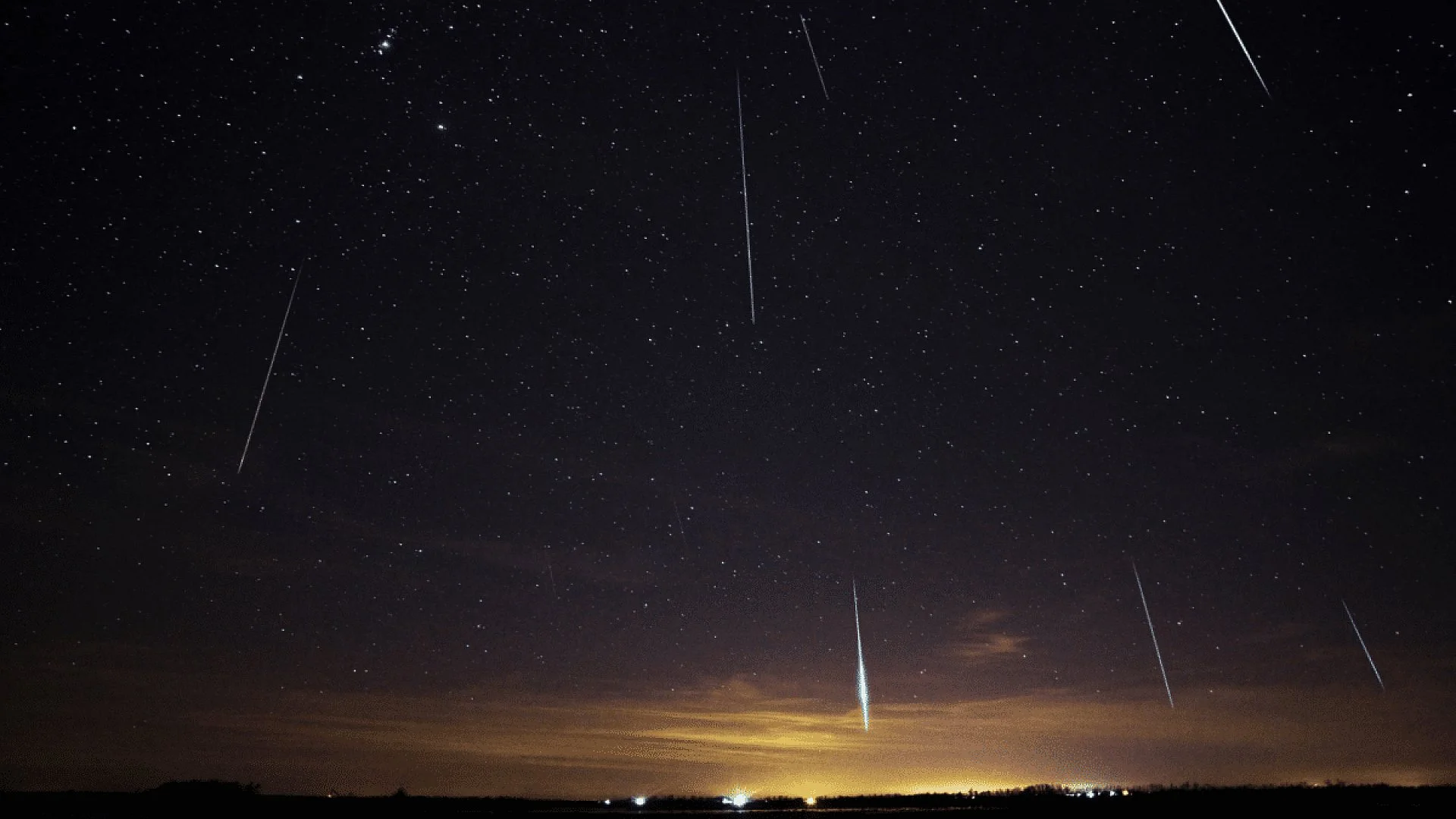
The 2026 Eta Aquarid Meteor Shower: A Celestial Spectacle with a Twist
The night sky is set to be ablaze with a spectacular display of shooting stars, courtesy of the 2026 Eta Aquarid meteor shower. However, a bright waning gibbous moon, rising just after midnight, threatens to steal the show, obscuring many of the faint meteors. Despite this challenge, skywatchers can still expect to witness up to 50 meteors per hour under ideal conditions, with the peak occurring on May 5-6.
Unveiling the Secrets of the Eta Aquarid Meteor Shower
The Eta Aquarids, active from April 19 to May 28, are one of the most anticipated celestial events of the year. These meteors originate from the debris trail left behind by Halley’s Comet, and Earth’s passage through this cosmic dust cloud results in a breathtaking display of shooting stars. According to NASA, the meteor shower reaches its peak overnight on May 5-6, offering stargazers a rare opportunity to witness one of the year’s most spectacular celestial events.
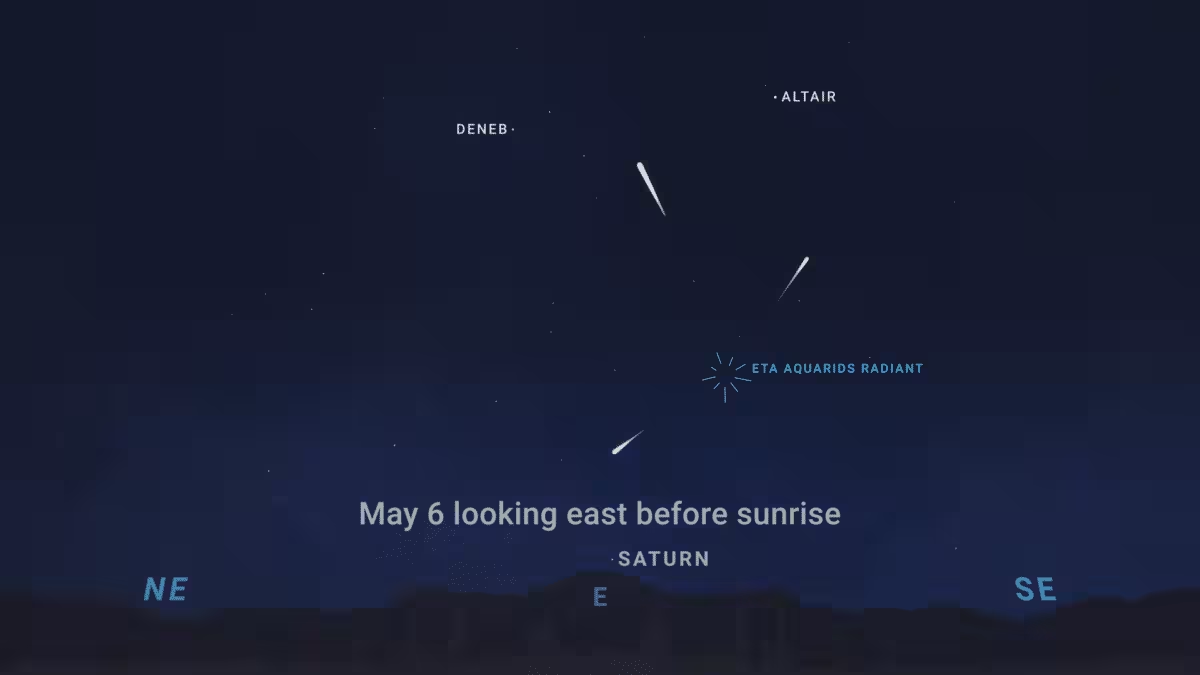
The radiant, the point in the sky from which the meteors appear to emanate, lies in the constellation Aquarius. For those in the northern hemisphere, this will be visible after midnight, as the radiant rises higher in the sky toward dawn. In the southern hemisphere, the shower is particularly active, with some reporting up to 50 meteors visible per hour under optimal conditions.
However, the presence of a nearly full moon poses a significant challenge to viewing the Eta Aquarids. The 84% lit moon will rise just after midnight on May 5-6, casting a bright glare that could obscure many of the dimmer meteors, reducing visibility in the northern hemisphere. Fortunately, the brighter meteors will still be visible, and the pre-dawn hours remain the prime time for observing.
Timing is Everything: Catching the Best View of the Eta Aquarid Meteor Shower
The peak of the Eta Aquarid meteor shower occurs between midnight and dawn on May 6, when the radiant reaches its highest point in the sky. The best time to watch is during the pre-dawn hours, before the brightness of the moon becomes overwhelming. In the northern hemisphere, skywatchers should look toward the east, where Aquarius will rise. It’s essential to give yourself plenty of time to adjust to the darkness of the night sky, allowing your eyes to acclimate to spot the faintest meteors.
For those in the southern hemisphere, the conditions are far more favorable. The radiant will be higher in the sky, and the number of meteors visible could reach up to 50 per hour in clear skies. Those in tropical regions will have the best chance of catching this cosmic display, which will be particularly brilliant if there is minimal light pollution.
Even with the moon’s interference, the Eta Aquarids will produce a beautiful show, and you don’t need any special equipment to enjoy it. Simply step outside, find a dark spot away from city lights, and gaze upwards. If you’re an astrophotographer, this is also an excellent opportunity to capture the beauty of these fast-moving meteors, which often leave behind glowing trails in the sky.
The Moon’s Impact: How the Waning Gibbous Will Affect Viewing
One of the major challenges of watching the Eta Aquarids this year is the presence of the waning gibbous moon. Due to the moon’s brightness, especially after midnight, many of the fainter meteors will be difficult to spot. The moon will rise in the southeastern horizon and remain visible throughout the night, casting a stark glow that can make it harder to see the dimmer meteors.
Despite this, there are still plenty of opportunities to catch the more prominent meteors. The Eta Aquarids are known for their fast and bright meteors, many of which can be seen streaking across the sky, leaving persistent glowing trails. These larger meteors will still shine through the moonlight, so if you’re willing to brave the brighter sky, you’ll likely see some spectacular meteors during the peak.
It’s worth noting that the situation may vary depending on your location. If you live in an area with significant light pollution or cloud cover, the moon’s brightness will exacerbate visibility issues. For the best results, seek out a location with minimal light pollution, and use apps like Stellarium or SkySafari to help pinpoint the radiant and track the meteor shower’s progress.
This article has been fact checked for accuracy, with information verified against reputable sources. Learn more about us and our editorial process.
Last reviewed on .
Article history
- Latest version
Reference(s)
- Hartono, Naomi. “What’s Up: May 2026 Skywatching Tips from NASA - NASA Science.”, April 30, 2026 NASA <https://science.nasa.gov/solar-system/whats-up-may-2026-skywatching-tips-from-nasa/>.
Cite this page:
- Posted by Karan Das