Earth’s Oxygen Atmosphere Has an Expiration Date and It Is Closer Than We Thought
A new model published in Nature Geoscience predicts when Earth’s oxygen-rich atmosphere will eventually collapse, marking a turning point for life.
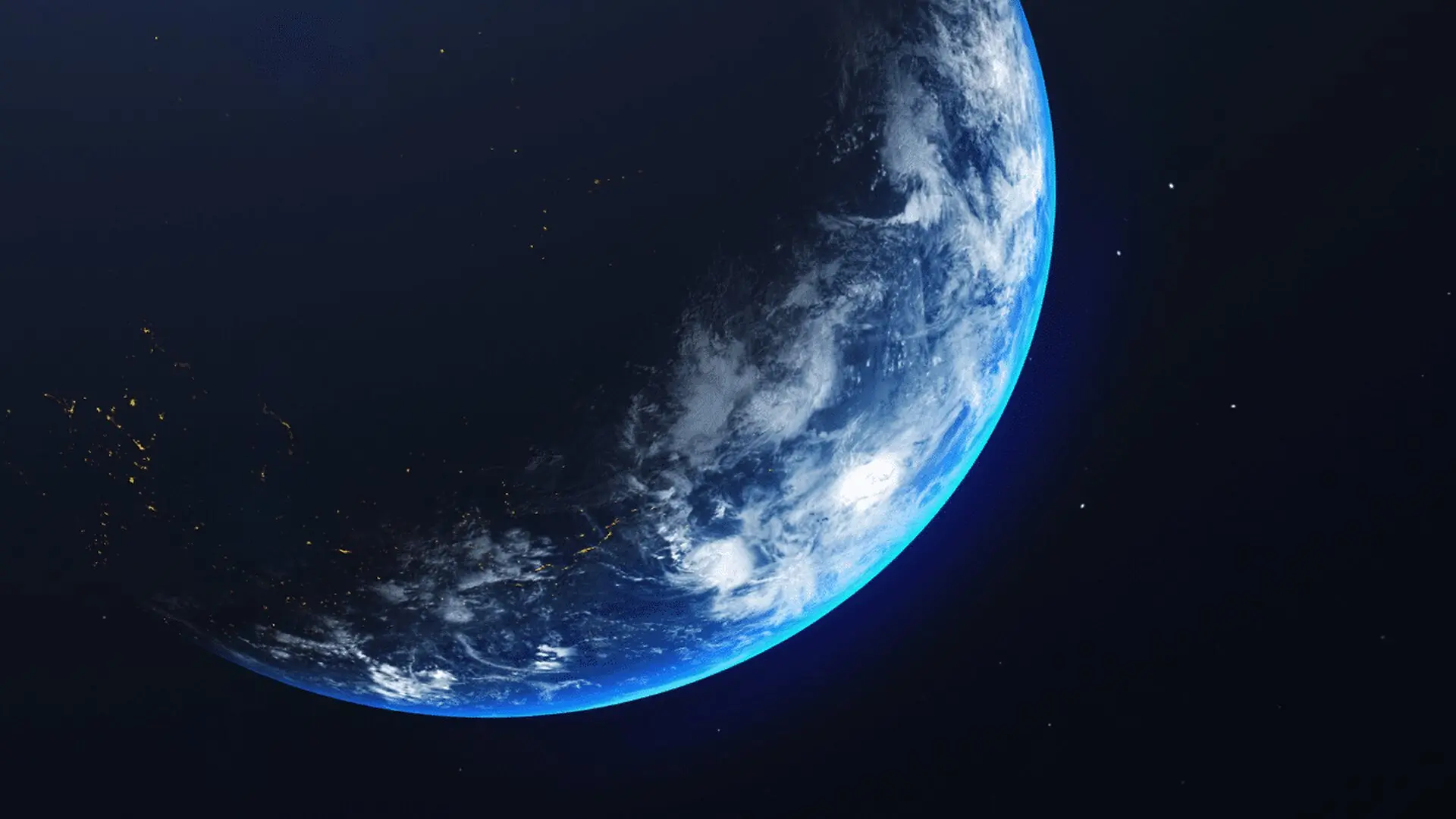
Our planet’s hospitable, oxygen-rich atmosphere is a fleeting luxury in the grander timeline of the solar system. According to a new study published in Nature Geoscience, Earth is expected to retain its life-sustaining oxygen levels for approximately 1 billion more years before undergoing a catastrophic atmospheric collapse. This shift would fundamentally reset the chemical composition of the planet, effectively ending the era of complex life as we know it.
Modeling the End of Earth’s Oxygen Era
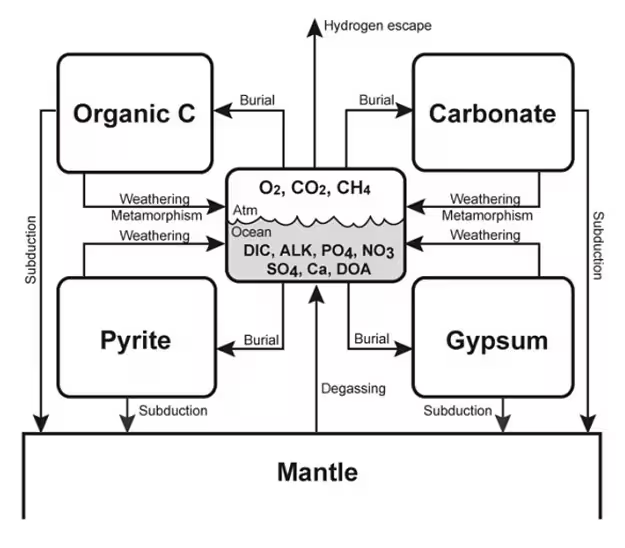
To forecast the long-term fate of our atmosphere, researchers Kazumi Ozaki of Toho University and Christopher Reinhard of the Georgia Institute of Technology constructed a sophisticated computer model. Their simulation accounted for complex interactions between climate, biology, and the geochemical cycles that govern planetary health. By running more than 400,000 simulations with varying parameters, the team aimed to move beyond static predictions and understand the resilience of Earth’s oxygen levels over deep time.
The results point toward a stark horizon: roughly one billion years from now, Earth is likely to undergo a rapid, irreversible process of deoxygenation. This transition would not be a sudden, singular event but a significant shift, returning the planet to an atmospheric state reminiscent of the period before the Great Oxidation Event, which occurred roughly 2.5 billion years ago. During that formative era, Earth was dominated by anaerobic life, and the new model suggests that our planet will eventually return to this primitive, oxygen-depleted state.
The Solar Clock and Geochemical Decline
The decline of oxygen is inextricably linked to the aging of our Sun. As the star matures, it gradually increases in brightness. This intensifying solar energy is projected to accelerate the chemical weathering of silicate rocks, which in turn draws carbon dioxide out of the atmosphere. With CO2 levels expected to plummet, the photosynthetic organisms responsible for replenishing the planet’s oxygen will eventually lose their primary energy source.
“It is generally thought that Earth’s biosphere will come to an end in 2 billion years due to the combination of overheating and CO2 scarcity for photosynthesis,” explains Ozaki. The researchers found that while the biosphere itself may persist for a time, the atmospheric oxygen that supports complex life will vanish well before the total collapse of biological activity. This means the window for complex, oxygen-dependent organisms is significantly narrower than the total window for life itself.
A Planet Reclaimed by Anaerobic Life
Should this deoxygenation occur, the Earth will become an unrecognizable world. Without an ozone layer to shield the surface from harmful ultraviolet radiation and with a methane-rich, CO2-poor atmosphere, the planet would likely be dominated by anaerobic bacteria once more. While the extinction of modern, complex species would be total, the researchers emphasize that this is not the end of life on Earth, but rather a transformation in which type of life can thrive.
Reframing the Hunt for Extraterrestrial Life
These findings carry significant weight for the search for exoplanets. To date, astrobiologists have focused heavily on detecting oxygen as a primary biosignature, assuming it is the most reliable indicator of a living world. However, if Earth’s own history is any indication, oxygen-rich atmospheres are relatively short-lived phenomena.
This suggests that many habitable planets elsewhere in the galaxy might harbor life that remains invisible to our current detection methods because those worlds have not yet reached—or have long since passed—the period of high atmospheric oxygen. By broadening the criteria for what constitutes a living planet, scientists may find that the search for life requires a deeper understanding of the entire, dynamic lifespan of a planet’s atmosphere, rather than just a snapshot of its current state.
This article has been fact checked for accuracy, with information verified against reputable sources. Learn more about us and our editorial process.
Last reviewed on .
Article history
- Latest version
Reference(s)
- Ozaki, Kazumi. “The future lifespan of Earth’s oxygenated atmosphere - Nature Geoscience.”, vol. 14, no. 3, pp. 138-142. Nature, doi: 10.1038/s41561-021-00693-5. <https://www.nature.com/articles/s41561-021-00693-5>.
Cite this page:
- Posted by Karan Das