Scientists Confirm a Newly Discovered Asteroid Will Make One of the Closest Earth Flybys of the Year
A significant asteroid encounter is imminent, occurring shortly after the celestial body was first spotted traversing Earth’s vicinity.
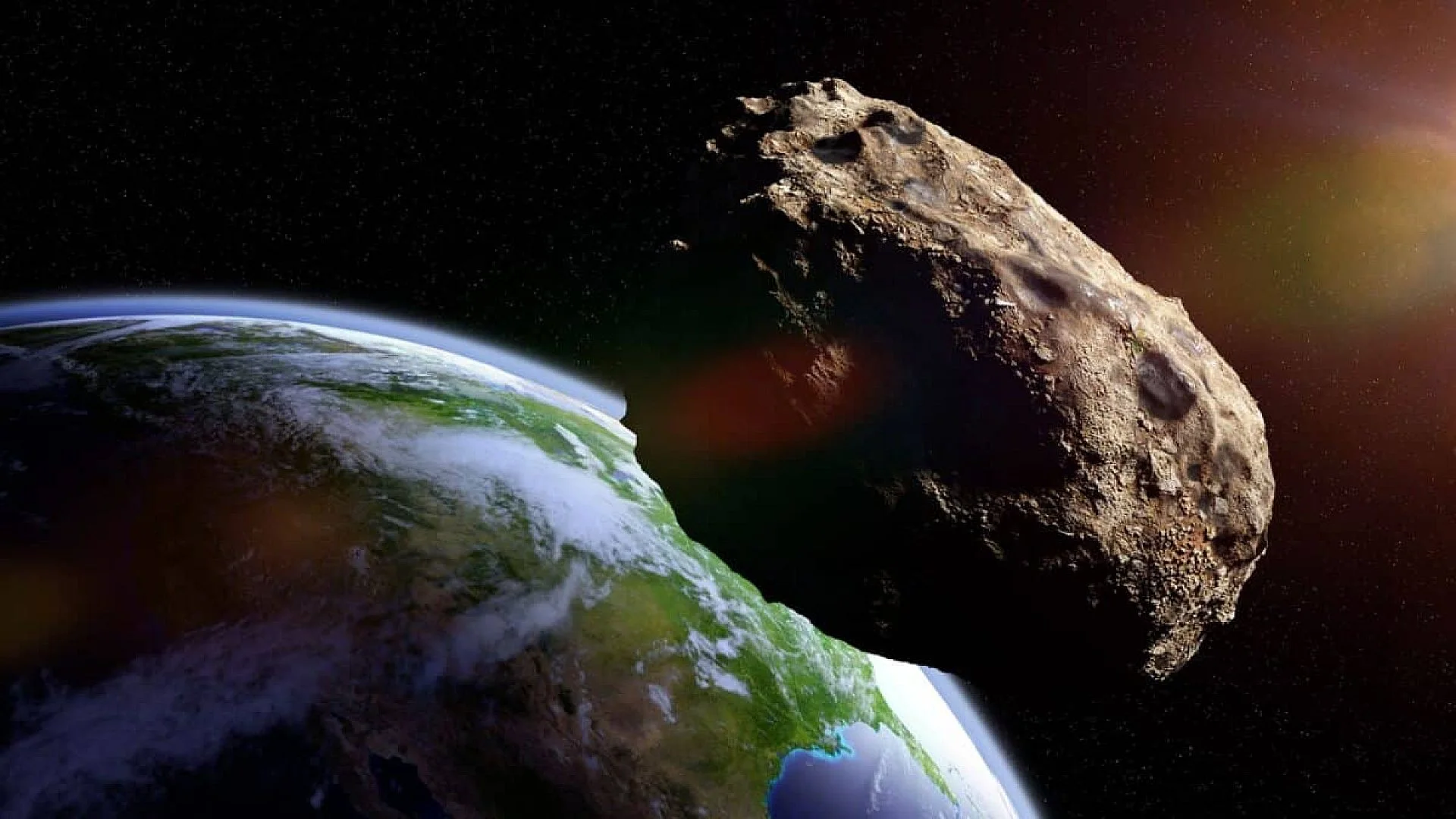
A newly identified near-Earth asteroid, 2026 JH2, is set to make a remarkably close approach to our planet on May 18, 2026. Despite its proximity, experts assure that the asteroid poses no threat to Earth.
The asteroid was discovered just a few days ago by astronomers working with several observatories, including the Mount Lemmon Survey and the Farpoint Observatory in Kansas. Since its detection, researchers have been closely tracking its orbit as it approaches the Earth-Moon system.
Near-Earth asteroids are continuously monitored due to the potential for some objects to pass relatively close to the planet. Preliminary orbital calculations classify 2026 JH2 as an Apollo-class near-Earth object, indicating its orbit crosses Earth’s path around the Sun.
The Asteroid Will First Encounter the Moon
Before reaching its closest point to Earth, 2026 JH2 will make a near approach to the Moon. Data released after the asteroid’s detection indicate that the encounter is expected around 6:51 pm UTC on May 18, with an uncertainty margin of roughly five hours due to limited tracking data.
The asteroid is predicted to come within 0.00284 astronomical units of the Moon. One astronomical unit, abbreviated as AU, corresponds to the average distance between Earth and the Sun.
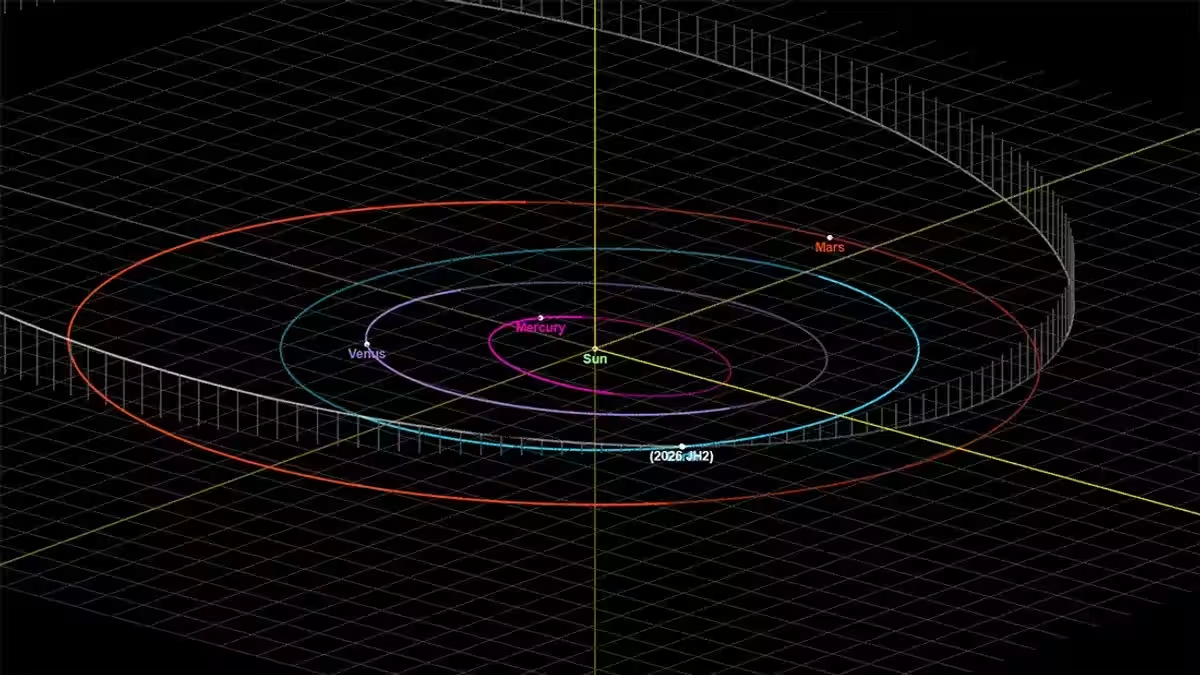
Researchers note that the orbit could still be refined as additional observations are collected. Newly discovered asteroids often require repeated measurements before scientists can determine their exact speed, size, and orbital path with precision.
Astronomers around the world and automated sky surveys continue tracking 2026 JH2 as it moves through near-Earth space.
Earth Flyby Expected Just Hours Later
After passing the Moon, the asteroid will continue toward Earth and reach its closest approach later that evening. Current calculations place the event at approximately 9:23 pm UTC.
Published estimates show that 2026 JH2 is expected to pass within 0.00064 astronomical units of Earth at maximum, with some calculations placing the minimum distance at 0.00058 AU. This distance corresponds to about 24 percent of the average distance between Earth and the Moon, making it close in astronomical terms while still remaining safely beyond Earth’s atmosphere.
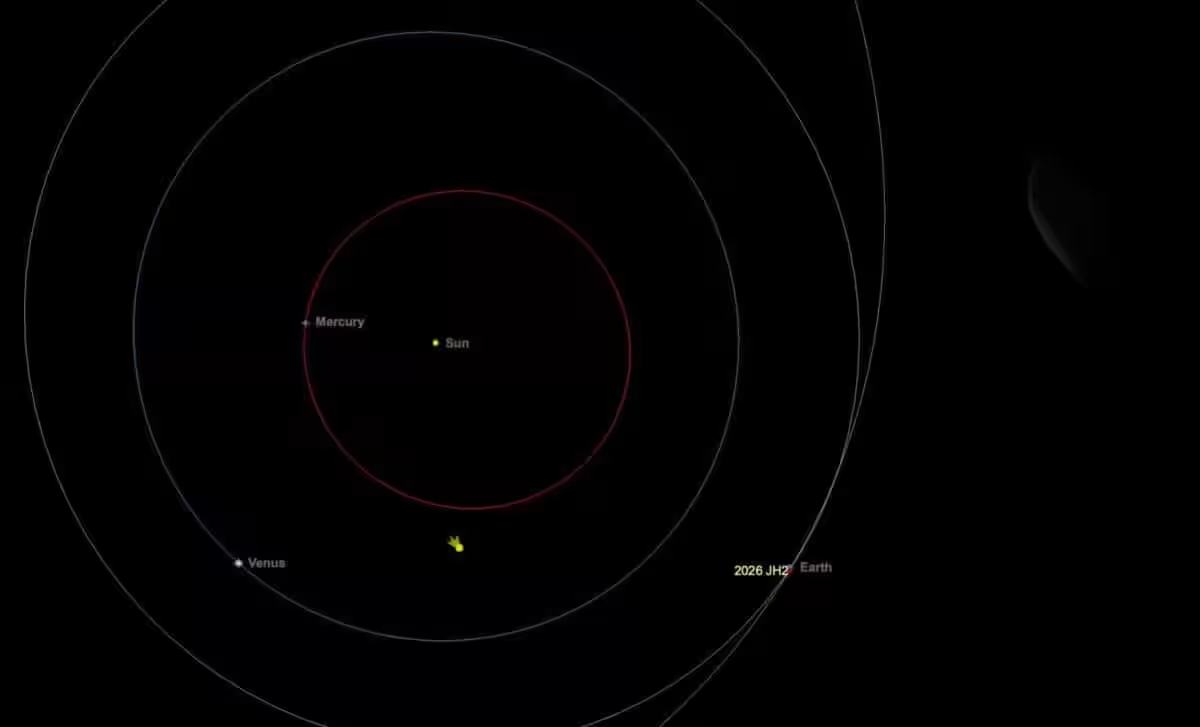
Scientists involved in tracking the encounter emphasize that there is no indication of an impact with the planet. The asteroid will remain around 90,000 kilometers, or roughly 56,000 miles, from Earth.
Amateur Observers May Be Able To See The Object
The close approach is expected to make the asteroid visible with relatively modest observing equipment. The Virtual Telescope Project estimates that the asteroid could brighten to around magnitude 11.5, placing it within reach of many amateur telescopes under favorable sky conditions.
The organization also announced plans to livestream observations of the flyby beginning at 7:45 pm UTC on May 18. The broadcast should allow viewers without telescopes or clear skies to follow the event remotely.
Astronomers frequently rely on public observations during events like these, especially when an asteroid has only recently been discovered. The additional data collected during close passes can help improve orbital calculations and reduce uncertainties surrounding an object’s trajectory.
This article has been fact checked for accuracy, with information verified against reputable sources. Learn more about us and our editorial process.
Last reviewed on .
Article history
- Latest version
Reference(s)
- “Small-Body Database Lookup.” <https://ssd.jpl.nasa.gov/tools/sbdb_lookup.html>.
- Masi, Gianluca. “Near-Earth Asteroid 2026 JH2 extremely close encounter: online observation – 18 May 2026.”, May 12, 2026 The Virtual Telescope Project 2.0 <https://www.virtualtelescope.eu/2026/05/12/near-earth-asteroid-2026-jh2-extremely-close-encounter-online-observation-18-may-2026/>.
Cite this page:
- Posted by Karan Das