NASA Is Giving Students $1 Million to Help Design the First Human Base on the Moon
NASA is offering $1 million to students who can solve six critical engineering challenges for the future of humanity’s lunar base. Apply your skills today.
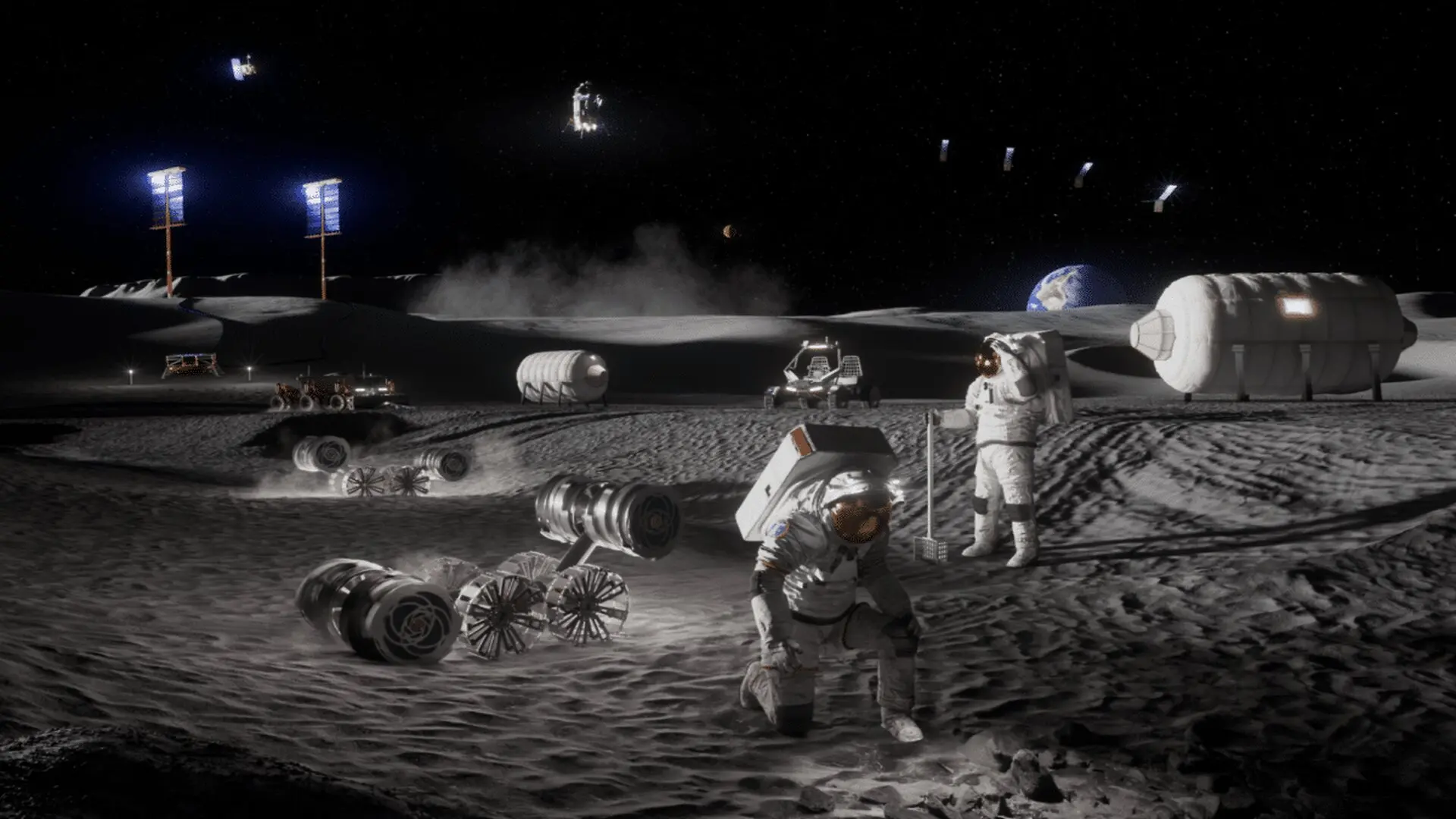
NASA has unveiled a $1 million incentive for the next generation of engineers, launching a nationwide challenge aimed at solving the complex logistical puzzles of establishing a permanent human outpost on the Moon. Announced on November 8, 2026, at the Kennedy Space Center Visitor Complex, the Moon Base Student Challenge invites high school and university students across the United States to conceptualize the infrastructure necessary for a sustained presence near the lunar South Pole.
Engineering the Future of Lunar Habitation
Moving beyond short-term exploration, NASA’s vision for a long-term lunar base requires a paradigm shift in how we approach life on another world. This permanent site will serve as a hub for scientific research, equipment maintenance, and terrain exploration, necessitating a robust, interconnected system that can withstand the harsh lunar environment while minimizing reliance on Earth-based resupply missions. The agency is specifically seeking out-of-the-box thinking from students across diverse academic backgrounds, recognizing that the challenges ahead—ranging from energy autonomy to habitat stability—require multidisciplinary ingenuity.
“We’re looking for students ready to think creatively, work as a team, and take on real problems connected to NASA’s future on the Moon,” said NASA Administrator Jared Isaacman. “You do not have to wait until graduation to contribute. Curiosity, creativity, and the willingness to tackle hard problems without obvious answers are exactly the qualities we need as we build what comes next.”
Just announced at MAX POWER: a $1 million Moon Base Student Challenge! https://t.co/w2MEiVhdPu The competition tasks U.S. high school and post-secondary student teams to develop solutions to real-world engineering constraints for establishing a long-term human presence on the Moon.
Also Read800 Million Years Ago an Asteroid Breakup Sent a Cosmic Bombardment to Earth, Moon and Mars— NASA (@NASA) November 8, 2026
Six Pillars of Lunar Survival
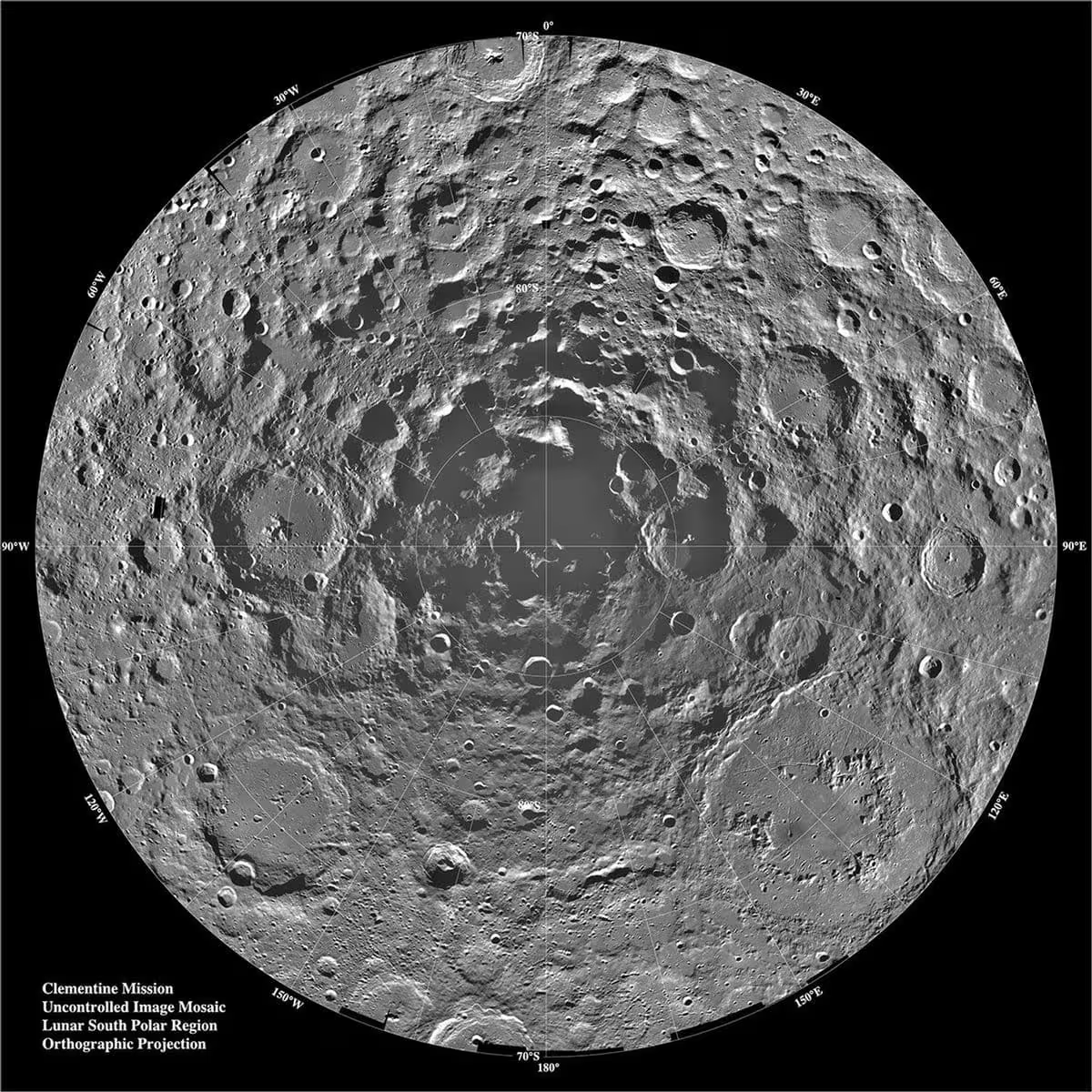
To facilitate a permanent base, NASA has segmented the technical requirements into six critical domains: power generation and storage, construction, life-support systems, surface mobility, communication networks, and astronaut safety. These categories are deeply interdependent. For instance, the lunar South Pole presents unique challenges due to its extreme light variations and permanently shadowed craters, requiring advanced power solutions that can operate even when solar exposure is limited.
Construction efforts must also account for the unforgiving lunar regolith, characterized by its abrasive dust, vacuum conditions, and massive temperature fluctuations. Students are encouraged to explore the use of in-situ resources to potentially reduce payload mass from Earth. Meanwhile, life-support and mobility systems must ensure that crews can survive and travel safely across rugged, unpredictable landscapes. As Carlos García-Galán, manager of the Moon Base Program, noted, these innovations are not just theoretical exercises; they are the literal foundations for a future where humanity maintains a permanent foothold on the lunar surface.
Professionalizing the Student Approach
The competition is designed to mirror the actual workflows of the aerospace industry. Participating teams are expected to produce professional-grade deliverables, including detailed trade studies, feasibility proposals, and stakeholder briefings. By comparing competing designs based on reliability, performance, and resource efficiency, students gain hands-on experience in the trade-offs that define real-world mission planning.
Elaine Ho, associate administrator for NASA’s Office of STEM Engagement, emphasized the value of this inclusivity, noting that the diverse perspectives of young innovators are vital for envisioning a future beyond our home planet. Official guidelines and further details are available through NASA, as the agency looks to bridge the gap between classroom education and the practical, high-stakes requirements of deep-space exploration.
This article has been fact checked for accuracy, with information verified against reputable sources. Learn more about us and our editorial process.
Last reviewed on .
Article history
- Latest version
Reference(s)
- Taveau, Jessica. “NASA Announces $1 Million to Students for Moon Base Challenge - NASA.” NASA <https://www.nasa.gov/news-release/nasa-announces-1-million-to-students-for-moon-base-challenge/?utm_source=chatgpt.com>.
Cite this page:
- Posted by John Williams