NASA Launches Nextstep-3 Push to Fast-Track Lunar Power, Resource and Manufacturing Tech
NASA’s Nextstep-3 program sets new lunar tech priorities to speed up critical systems development and testing for upcoming Moon missions.
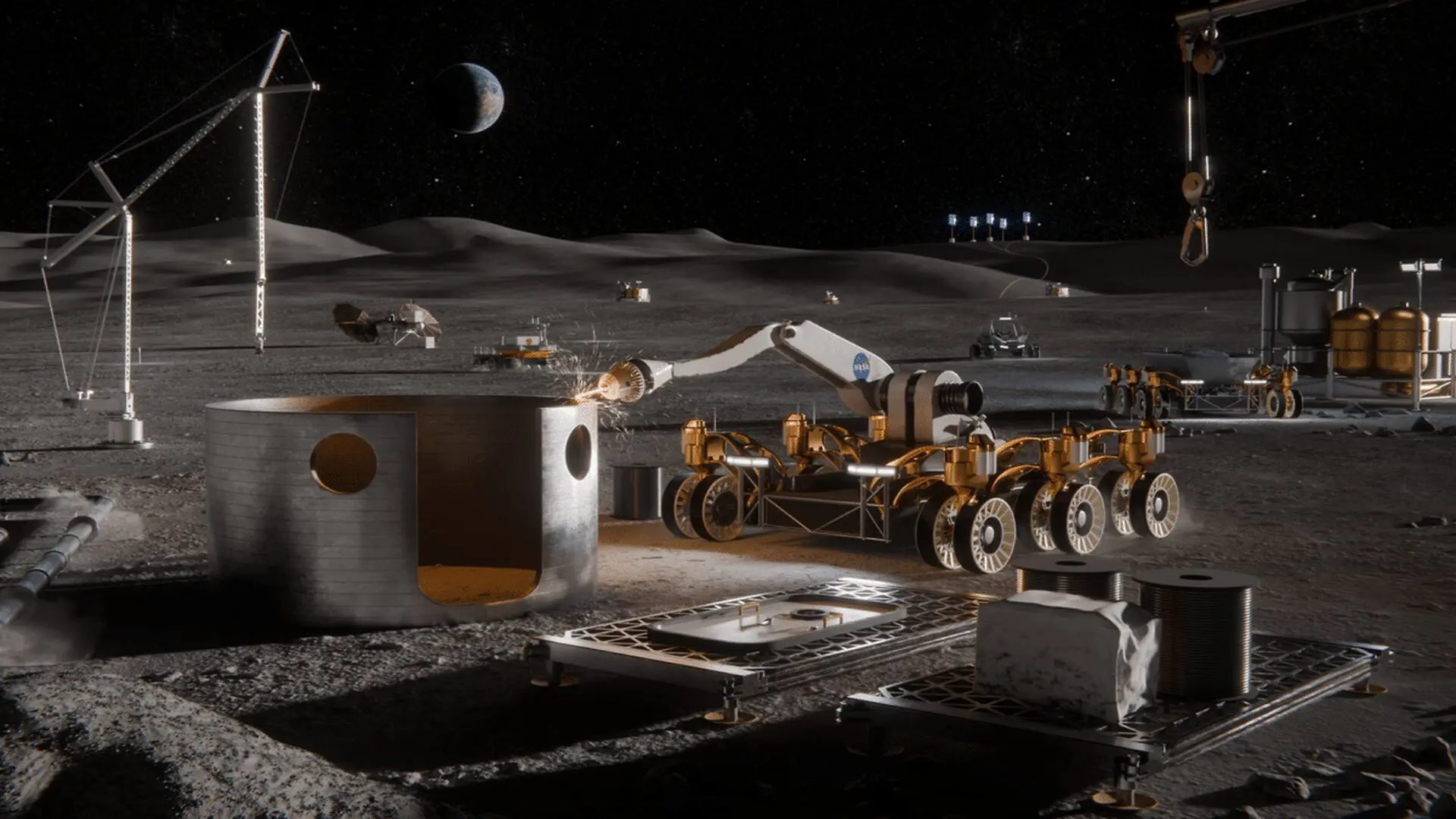
NASA has published a draft solicitation via the Nextstep‑3 Appendix A program, outlining a focused effort to advance key technologies for lunar surface operations and address critical engineering shortfalls ahead of upcoming Moon missions, the agency said.
Building a Sustainable Lunar Presence Through Nextstep‑3
The agency’s Nextstep‑3 initiative aims to fast‑track the development of systems essential for long‑term activity on the Moon and the surrounding cislunar environment. The newly released draft Broad Agency Announcement seeks proposals that can move concepts from early research stages toward demonstrable performance in relevant test settings.
A central objective of the effort is to lift technology maturity to roughly Technology Readiness Level 5–6, where hardware is validated in conditions that closely mimic operational environments. This level is widely regarded as the critical bridge between laboratory prototypes and flight‑ready equipment.
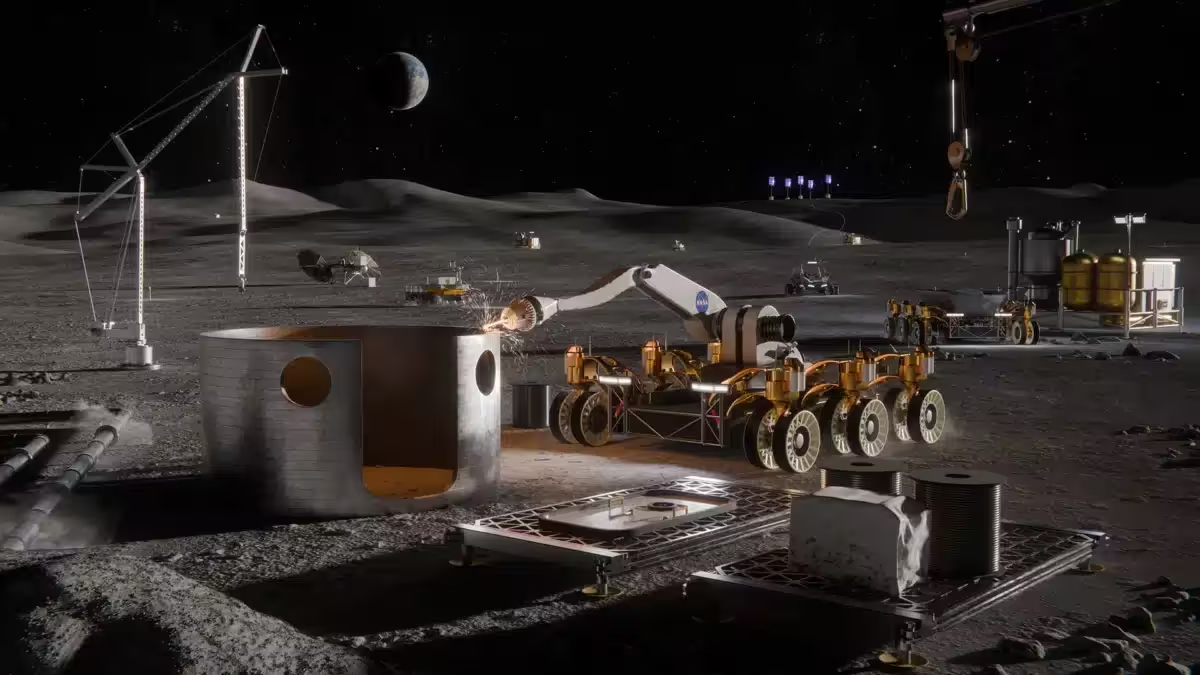
Rather than pursuing a single breakthrough, the program adopts a systems‑level perspective, encouraging the development of interlinked capabilities—such as power generation, resource extraction, and manufacturing—that collectively underpin a durable lunar foothold and lessen reliance on Earth‑based supply lines.
Priority Technology Domains for Moon Development
Among the areas highlighted in the draft solicitation are vertical solar array designs, engineered to capture sunlight efficiently amid the Moon’s prolonged shadows and intense illumination swings.
The agency places particular emphasis on in‑situ resource utilization (ISRU), especially technologies that can extract and convert lunar material into breathable oxygen—a step that could dramatically cut the need for resupply missions.
Stirling radioisotope generators are another focal point, being assessed as reliable power sources for periods when solar energy is unavailable, delivering steady electricity under harsh thermal extremes.
NASA is also seeking advances in in‑space manufacturing, which would enable the production of tools, components, and structures directly in lunar or orbital settings, thereby reducing launch mass and enhancing mission agility.
Finally, the solicitation calls for work on advanced nanomaterials, a field poised to create lighter, stronger, and more resilient parts for both spacecraft and surface habitats operating in the Moon’s demanding environment.
Program Framework and Release Timeline
Issued under the Space Technology Mission Directorate, the draft Broad Agency Announcement aligns with the broader Lunar Enabling Infrastructure Accelerator (LEIA) effort. NASA indicated that the Nextstep‑3 Appendix A solicitation was posted on June 29, 2026, following a preliminary synopsis released in May.
The structured call for proposals invites participation from industry, academia, and research organizations, aiming to generate competing solutions that meet defined lunar architecture requirements. The intent is to foster not only individual technology progress but also seamless integration into a future lunar base ecosystem.
By tethering early‑stage innovation to concrete mission needs, NASA is laying the groundwork for enduring lunar activities. Emphasizing ground‑testing and iterative development reflects a strategic push to lower technical risk before committing hardware to the space environment.
Implications for Upcoming Moon Missions
The suite of technologies targeted by Nextstep‑3 points toward a Moon strategy that leans heavily on locally sourced energy, resource processing, and manufacturing, reducing dependence on continuous Earth support.
This shift also signals a move away from bespoke, mission‑specific hardware toward modular, reusable capabilities that can be adapted across a range of lunar operations, a flexibility that will become increasingly vital as the scope of lunar activity expands.
Focusing funding on projects that have already achieved intermediate maturity levels ensures that promising concepts undergo rigorous validation, shortening the path from laboratory to deployment while preserving reliability.
As NASA’s lunar roadmap evolves, initiatives like Nextstep‑3 serve as critical stepping stones, shaping both the hardware that will operate on the Moon and the broader approach to building and certifying space infrastructure.
This article has been fact checked for accuracy, with information verified against reputable sources. Learn more about us and our editorial process.
Last reviewed on .
Article history
- Latest version
Reference(s)
- Hall, Loura. “NextSTEP-3.”, June 29, 2026 NASA <https://www.nasa.gov/directorates/stmd/nextstep-3-a-lunar-enabling-technology/>.
Cite this page:
- Posted by Karan Das