Astronomers Witness Mysterious 300 Day Delay After Massive Black Hole Flare
Astronomers have uncovered a rare, decades-long flare from the Perseus Cluster’s central black hole, finally solving a mystery hidden in years of data.
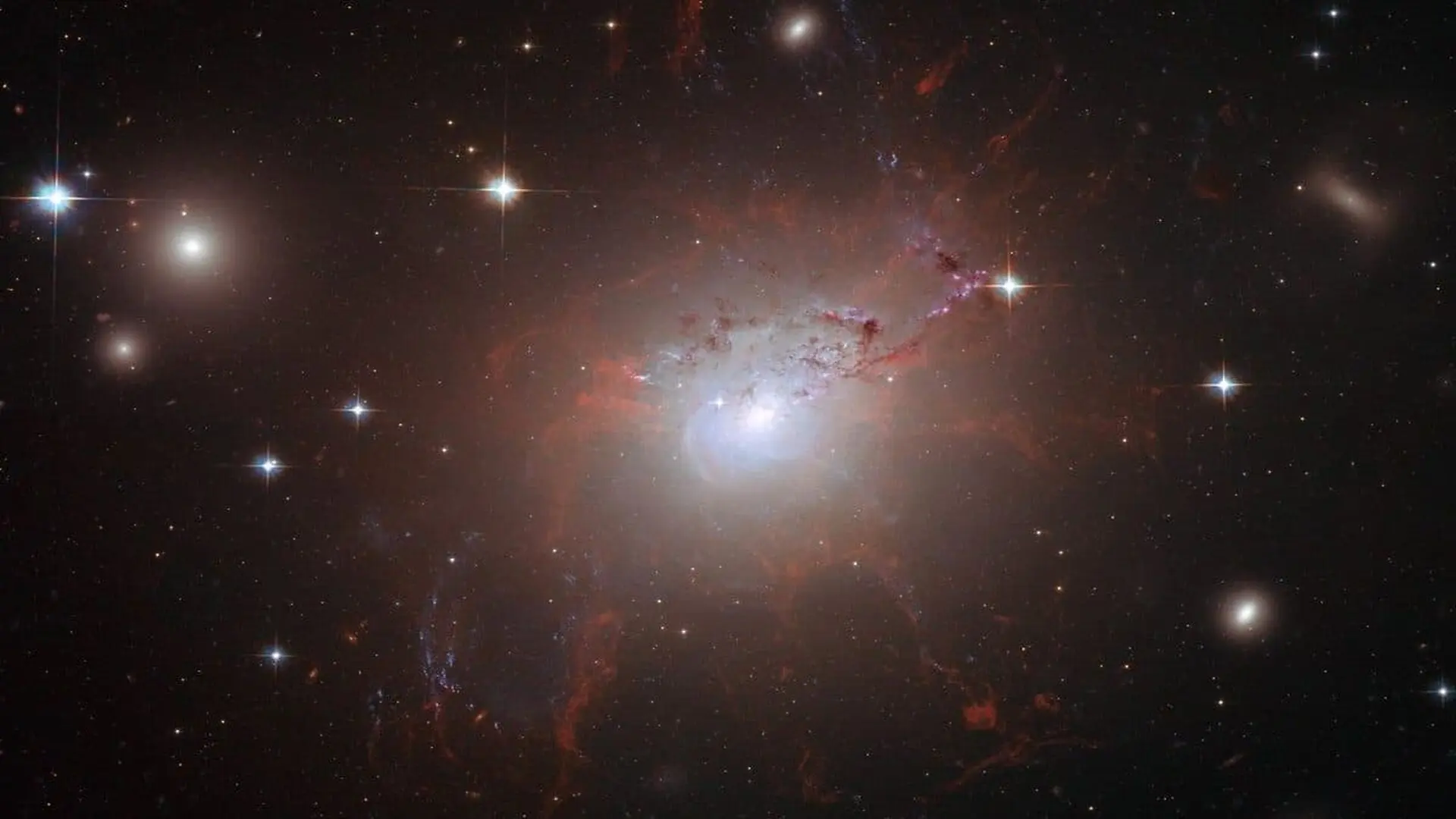
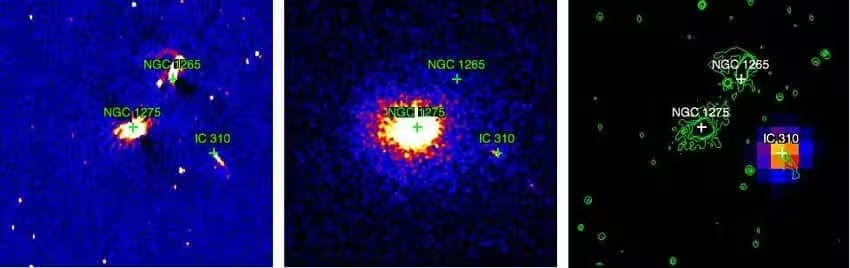
Astronomers tracking the behavior of a supermassive black hole at the heart of the Perseus Cluster have uncovered a potential link between intense X-ray outbursts and subsequent radio emissions. By analyzing long-term data from NASA’s Swift observatory, researchers identified a significant time delay of approximately 300 days between a record-breaking X-ray flare and a corresponding spike in radio jet activity within the galaxy NGC 1275.
Active galactic nuclei (AGNs) represent some of the most energetic environments in the universe. As matter spirals into a supermassive black hole, it forms an accretion disk, heating up and emitting intense radiation. Simultaneously, some of this material is channeled toward the black hole’s poles, where it is accelerated into high-speed jets that traverse vast cosmic distances. Understanding the precise timing between accretion events and jet production remains a primary goal in high-energy astrophysics.
Clearing the Galactic Fog
Observing the center of NGC 1275 presents significant technical challenges. As the dominant galaxy in the massive Perseus Cluster, it is shrouded in environmental light that complicates X-ray analysis. While NASA’s Chandra X-ray Observatory provides exquisite resolution, it lacks the frequent, long-term monitoring capabilities required to track such phenomena. To circumvent this, a team led by Sarah Ketchum of the University of Michigan developed a specialized modeling technique to strip away background cluster interference from archival Swift data spanning from 2007 to 2025.
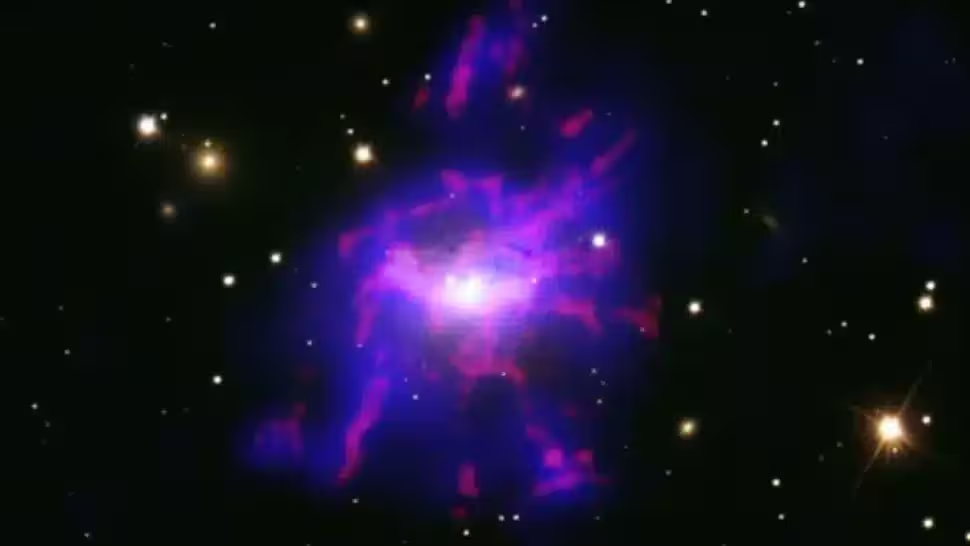
Ketchum emphasizes the importance of this specific system, noting that NGC 1275 provides an unparalleled laboratory for studying the long-term impact of black hole jets on their host environments.
An Intense Flare and Its Consequences
In February 2023, the team recorded the most powerful X-ray flare ever observed from the galaxy. The event, which consisted of two distinct five-day bursts over a span of less than 60 days, caused the AGN to double in X-ray luminosity. Although the intensity of the event initially raised the possibility of a tidal disruption event—where a star is shredded by the black hole’s gravity—the researchers concluded the flare was driven by a sudden surge in accretion rate.
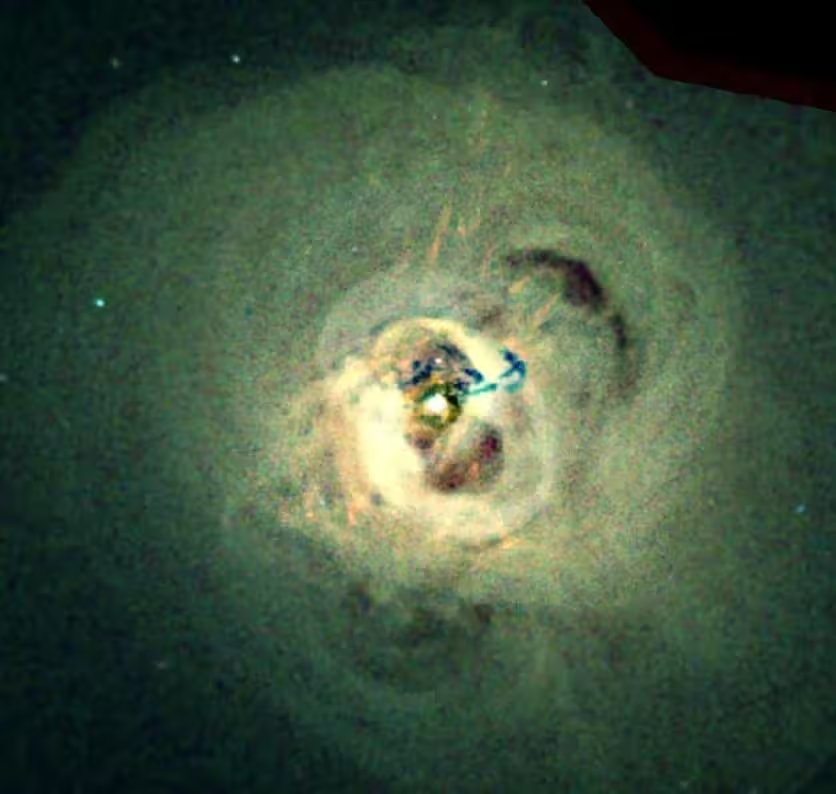
By correlating the radiation emission radius with the mass of the black hole, the team estimated its size to be between 100 million and 1 billion solar masses. The observed 300-day delay before the radio emission suggests the time required for plasma ejected during the X-ray event to travel from the base of the jet and collide with surrounding interstellar gas, creating a shock front.
Future Verification
The research, published in a recent paper, remains tentative due to the sparse sampling of the historical X-ray data. To confirm these findings, the team suggests further observation is essential. Additionally, they have identified an emission line from neutral iron in the spectrum, which may represent an echo of the X-ray flare reflecting off the accretion disk. Validating this secondary signal will likely require intensive future monitoring using advanced observatories such as XMM-Newton and XRISM.
This article has been fact checked for accuracy, with information verified against reputable sources. Learn more about us and our editorial process.
Last reviewed on .
Article history
- Latest version
Reference(s)
- Ketchum, Sarah. “X-ray Flaring and Variability in NGC 1275, the Heart of the Perseus Cluster.” arXiv.org <https://arxiv.org/abs/2608.13281>.
Cite this page:
- Posted by Karan Das