Secret Cold War Spy Satellite Known As Farrah III Has Suddenly Shattered In Orbit
A decommissioned 1988 US spy satellite has mysteriously disintegrated in low-Earth orbit, creating a new cloud of space debris 775 kilometers above Earth.
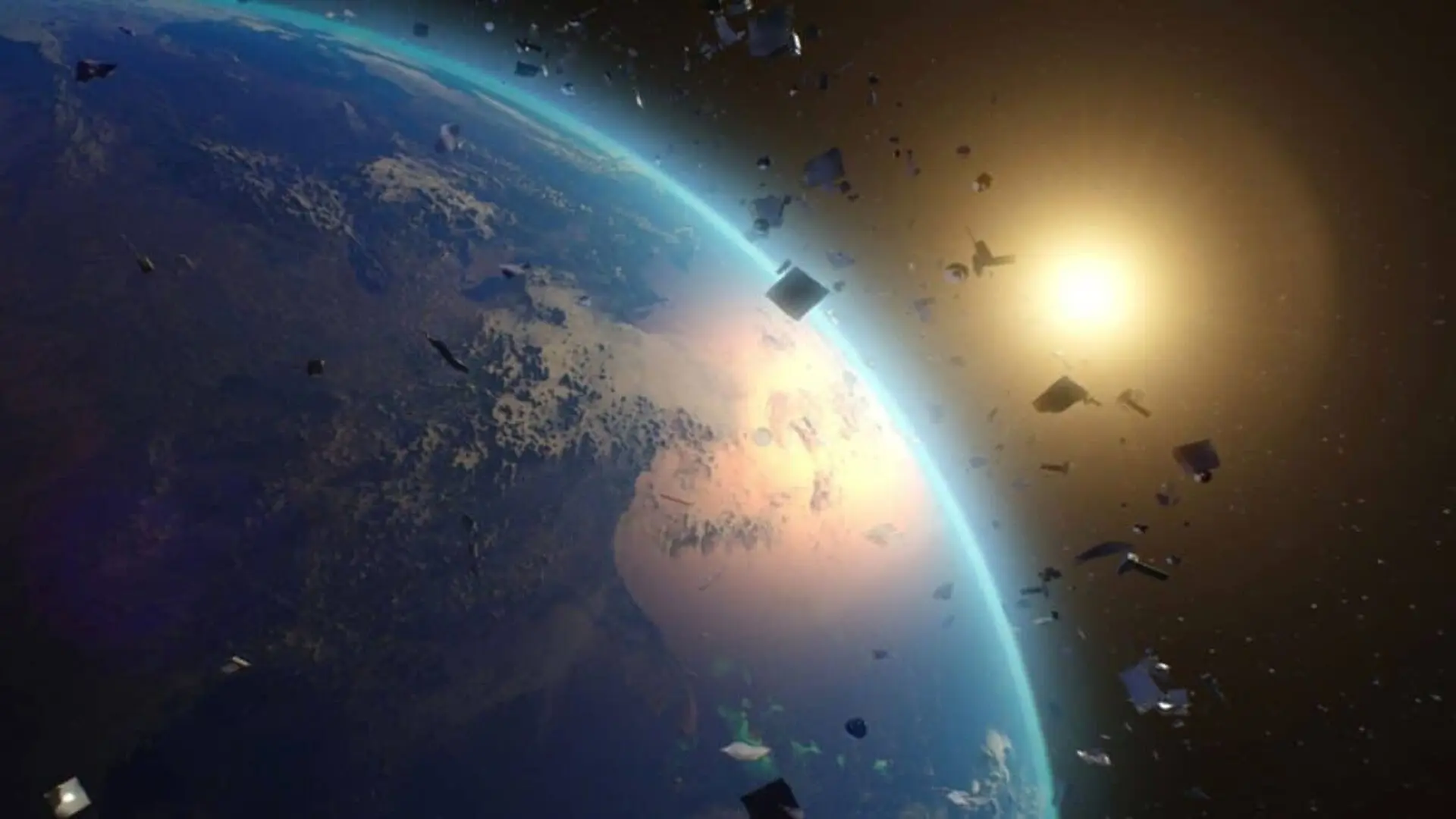
A Cold War-era relic has disintegrated in low-Earth orbit, serving as a stark reminder of the long-term hazards posed by derelict spacecraft. The satellite, historically identified as USA 32 but known by the codename FARRAH III, shattered on September 13, 2026, marking the end of a long, silent tenure in space that began with its launch aboard a Titan II rocket on September 5, 1988.
Decades of Secrecy Behind the “Tuna Can” Satellite
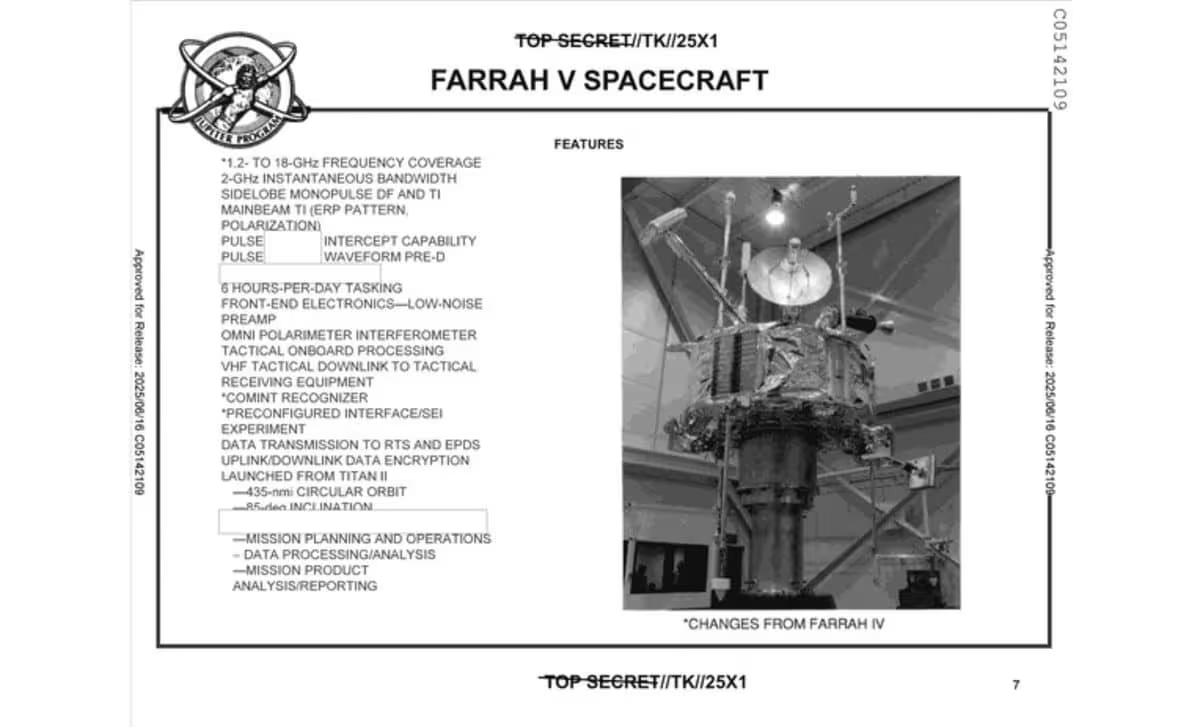
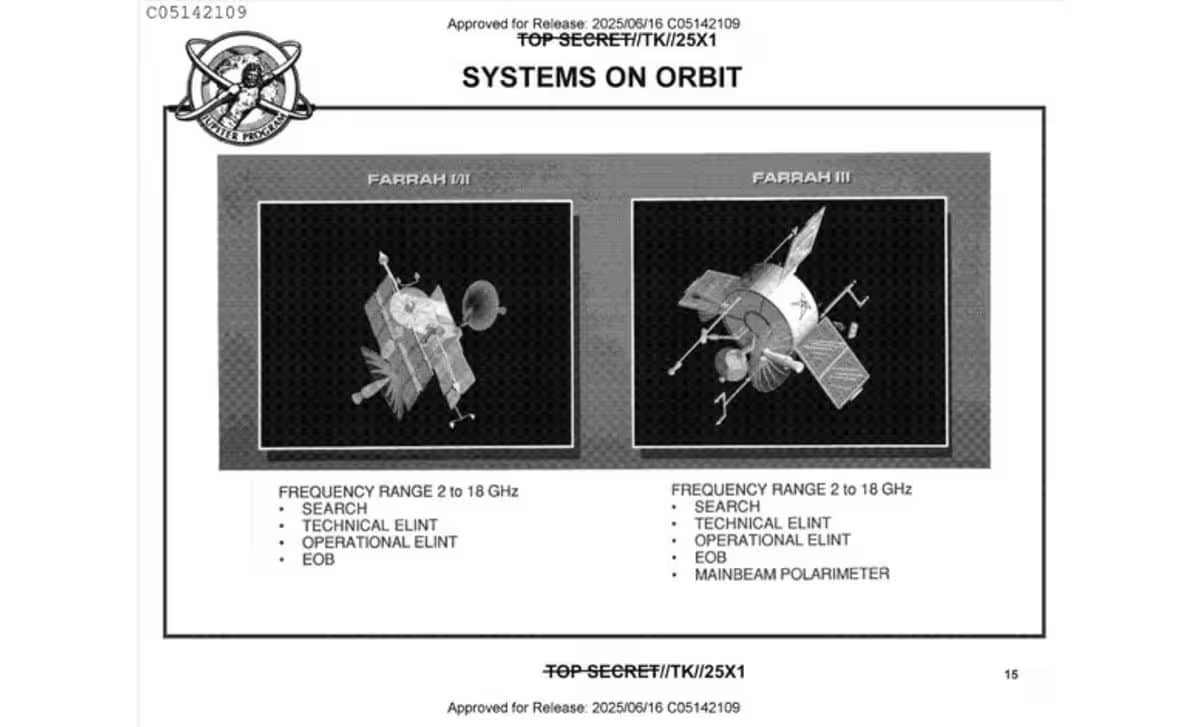
For nearly four decades, the true function of USA 32 remained obscured by classified status, only receiving official disclosure in 2026. Designed for the intelligence community, the spacecraft was a signals intelligence tool tasked with intercepting and processing Soviet radar transmissions before relaying that data to military assets on the ground. Its design was utilitarian, often described by observers as a simple, spinning “tuna can” that utilized spin stabilization to maintain its orientation during its surveillance duties.
The mission was part of the FARRAH program, a series of five satellites launched between 1982 and 1992. The peculiar choice of codename—inspired by actor Farrah Fawcett—remains an unexplained footnote in the annals of classified space history. Despite being long past its operational lifespan, the satellite remained an object of interest for orbital trackers, with both USA 32 and its sibling FARRAH 5 observed spinning in orbit as recently as 2021.
Fragmentation and the Growing Orbital Debris Crisis
U.S. Space Forces–Space (S4S) officially logged the fragmentation event on September 13, 2026, at approximately 2113 UTC. While the agency has incorporated the newly created debris into existing conjunction assessments to ensure the safety of active satellites, the incident highlights the persistent risk of unintended breakups in an increasingly crowded orbital environment.
The precise cause of the destruction remains under investigation. Analysts from Spaceweather.com suggest that the satellite’s age may have been a factor, noting that internal components like pressurized tanks or batteries could have failed after enduring 38 years of thermal stress from repeated orbit cycles. Alternatively, a micrometeoroid strike or a collision with other space junk has not been ruled out. The resulting debris cloud is being carefully tracked, with researchers using the trajectory of the fragments to piece together the sequence of the failure.
The Necessity of Passivation in Modern Spaceflight
The end-of-life management for satellites has become a focal point for international space agencies. To prevent explosive breakups—a significant source of debris—modern mission protocols now require “passivation.” This process involves the controlled depletion of leftover fuel and the discharge of energy systems after a mission concludes, effectively neutralizing the object’s potential to explode in the future.
As noted in NASA research, both defunct satellites and spent rocket stages represent a ticking clock of stored energy. While major organizations like NASA, the European Space Agency, and JAXA have adopted strict guidelines to mitigate this, it remains unclear if FARRAH III underwent such procedures before it was left to drift. As the analysis of this recent breakup continues, it serves as a sobering reminder of the legacy left behind by the early decades of space exploration.
This article has been fact checked for accuracy, with information verified against reputable sources. Learn more about us and our editorial process.
Last reviewed on .
Article history
- Latest version
Reference(s)
- Daria, “Un satellite spia si frammenta in orbita | Sorvegliati Spaziali.”, September 20, 2026 Sorvegliati Spaziali <https://sorvegliatispaziali.inaf.it/un-satellite-spia-si-frammenta-in-orbita/>.
- “Spaceweather.com - realtime news about the Sun-Earth environment.” <https://www.spaceweather.com/archive.php?view=1&day=17&month=09&year=2026>.
- Hull, Scott. “Spacecraft Passivation - An Overview of Requirements, Principles, and Practices as Applied to Spacecraft Pressure Vessels.”, vol. 9, no. 4, August 21, 2022 <https://ntrs.nasa.gov/citations/20220011409>.
Cite this page:
- Posted by Karan Das