New Analysis Confirms The Universe Is Still Expanding At An Accelerating Rate
A new study confirms the universe’s accelerating expansion, resolving concerns about dark energy and validating the standard cosmological model.
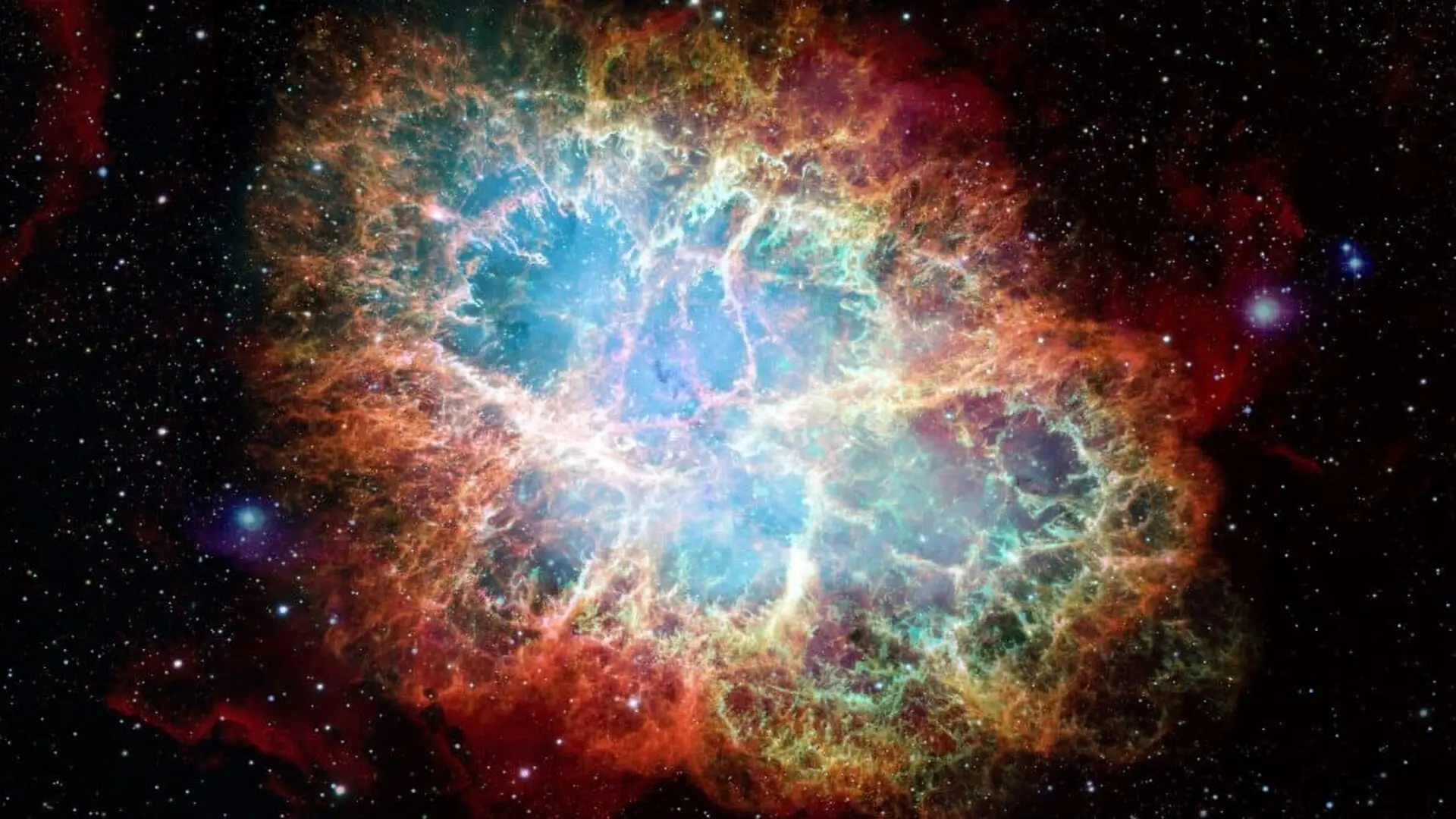
New research has effectively quieted recent speculation that the universe’s expansion might be losing momentum. A team of astrophysicists has concluded that the standard cosmological model, which posits an ever-accelerating expansion driven by dark energy, remains the most accurate framework for understanding the cosmos.
The controversy emerged following a study suggesting that observations of Type Ia supernovae—the explosive deaths of white dwarf stars—might have been misinterpreted. These supernovae are critical “standard candles” in astronomy, allowing scientists to calculate cosmic distances. The initial, dissenting study suggested that because these stars might evolve over time, their intrinsic brightness could change, potentially leading astronomers to mistake variations in the stars themselves for evidence of accelerating cosmic growth.
However, a comprehensive rebuttal published in the Monthly Notices of the Royal Astronomical Society finds those concerns to be unfounded. Led by Phil Wiseman of the University of Southampton, the researchers demonstrated that once host galaxy characteristics are properly accounted for, the data continues to confirm that the universe is speeding up in its expansion.
Refining the Cosmological Toolkit
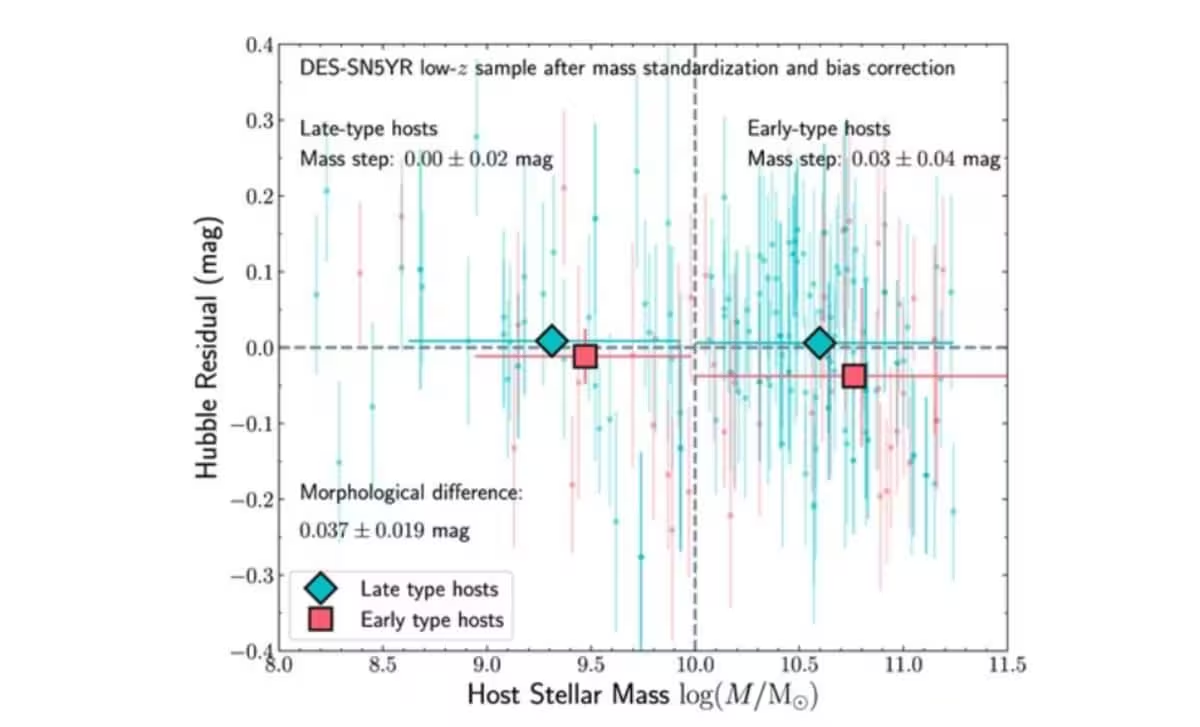
The research team, which included Nobel laureates Adam Riess and Brian Schmidt, scrutinized the assumption that a galaxy’s age is a direct proxy for the age of the supernova progenitors within it. The authors argue that this simplification is flawed, as galaxies harbor diverse stellar populations with complex evolutionary timelines. By failing to account for this nuance, earlier studies had incorrectly identified correlations between galaxy age and supernova brightness that do not actually exist.
When applying standard corrections for factors such as stellar mass, the researchers found that any perceived anomaly in the supernova data vanished. Furthermore, the team analyzed data from the Dark Energy Survey to see if these brightness corrections varied with redshift—a measurement of how much light has been stretched by the universe’s expansion. They found no such evolution, reinforcing the reliability of existing distance measurements.
Confirming the Dark Energy Paradigm
The findings emphasize that the fundamental pillars of modern cosmology remain unshaken. While the nature of dark energy continues to be one of the most profound mysteries in science, its observed effects on the structure and expansion of the universe appear consistent with decades of established research.
“This was a good opportunity to go back and go over all of our assumptions,” said co-author Brodie Popovic. “It turns out, yes, we do understand this stuff, and we’re accounting for it in our cosmology measurement.”
While the team acknowledged that the field should remain vigilant about potential uncertainties, they concluded that current data from Type Ia supernovae offers no evidence that the cosmic expansion is slowing. As future observational surveys gather larger datasets, astronomers expect to refine these measurements further, though the foundational understanding of an accelerating universe remains, for now, remarkably robust.
This article has been fact checked for accuracy, with information verified against reputable sources. Learn more about us and our editorial process.
Last reviewed on .
Article history
- Latest version
Cite this page:
- Posted by Farah Siddiqui