Flushing Ice Cubes Down the Toilet Once a Week: What It’s for and Why It’s Recommended
Most toilet bowl cleaners simply glide down the drain without ever reaching the grime, but this clever frozen cleaning hack from your kitchen freezer transforms the game entirely.
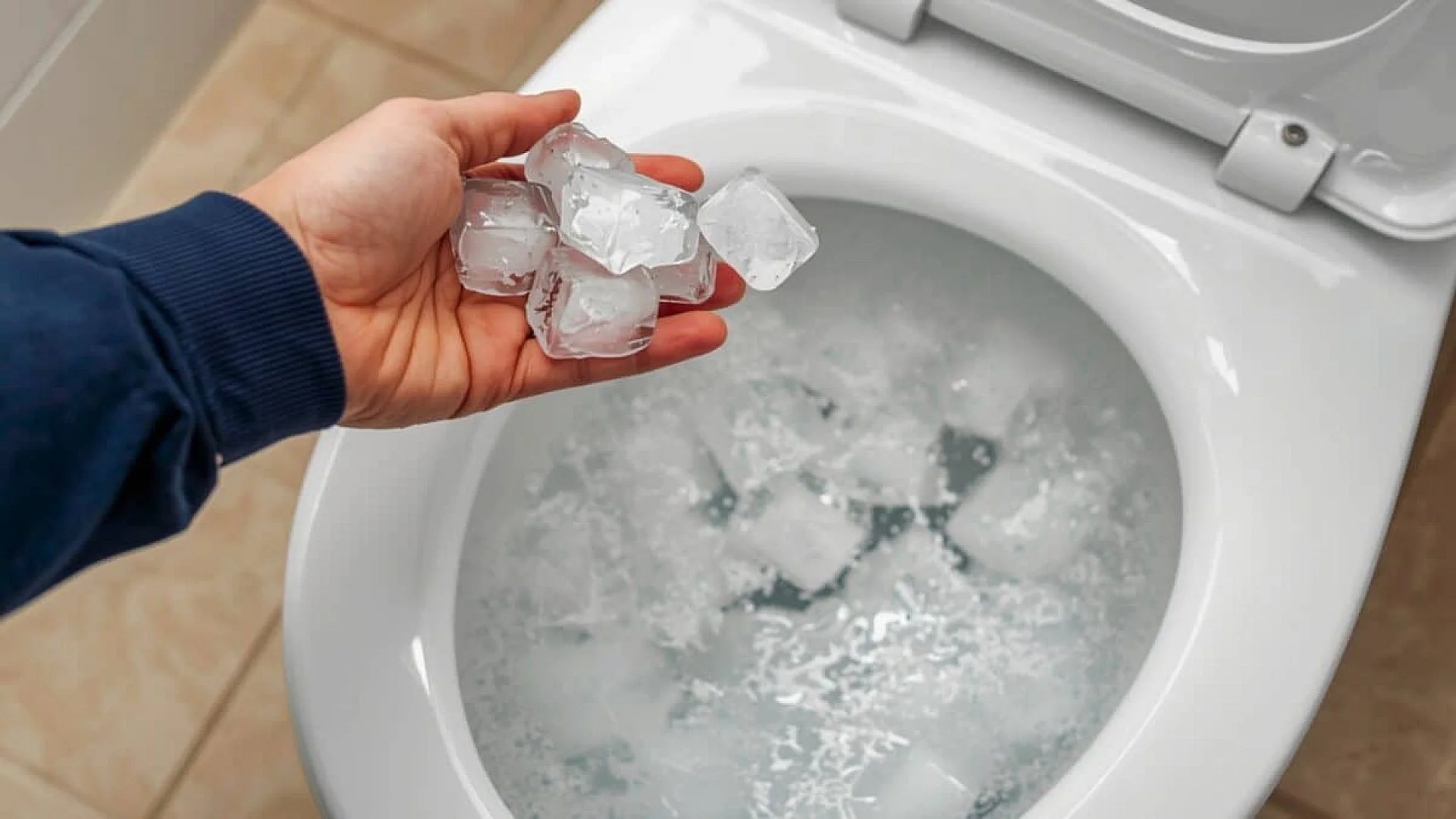
Most toilet cleaners fail before they even start. Pour them in, and within seconds they slide straight to the bottom drain, dissolving uselessly in standing water while the stained bowl sides go untouched. A simple fix is already sitting in your freezer.
Two cups of standard ice cubes, dumped into the bowl before a cleaning session, change the physics of the whole operation. The ice forms a temporary shelf above the water line, holding liquid or powder cleaners against the porcelain walls long enough to do their job. No special products. No extra tools. Just frozen water.
How Ice Lifts Grime Without Damaging Porcelain
The ice operates in two distinct ways. Flushed alone, with no added cleaner, the cubes act as a mild abrasive. As they tumble and swirl through the bowl, their edges knock loose soft mineral buildup, surface dirt, and thin films of mildew. The friction lifts residue without scratching intact ceramic.
Paired with a cleaner, the ice takes on a different role. Instead of scraping, it forms a physical barrier. Liquid products poured onto the cube pile stay suspended at the height where stains collect. “The solid ice prevents the cleaners from immediately slipping and gives the products time to actually clean and sanitize the surface,” the House Digest report explains. Active ingredients remain pressed against the bowl sides, working on grime that a standard pour would miss entirely.
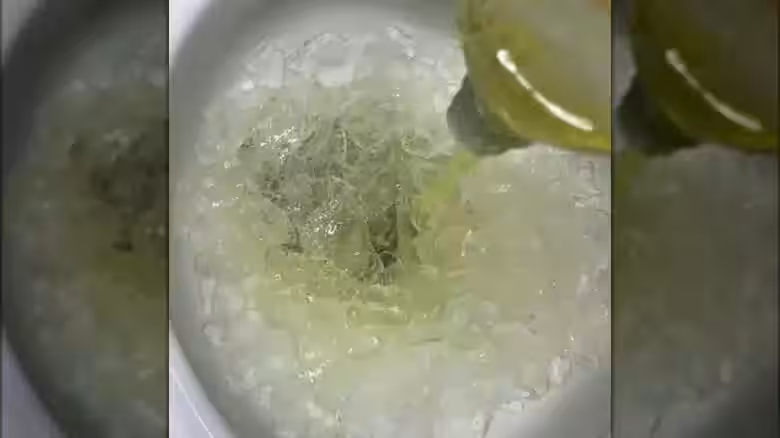
There is a quieter benefit at the end. As the ice melts during the flush, it releases cold water gradually, extending the rinse cycle and leaving the porcelain feeling smoother than a fast flush with tepid water.
Both publications note that a splash of white vinegar or a pinch of baking soda can join the ice for a stronger effect without resorting to harsh chemicals. The mild reaction tackles light stains and offers natural deodorizing. The same rule applies: never combine these additions with commercial cleaners.
The Chemical Risk Hiding in Viral Videos
A popular format on TikTok shows someone filling a toilet with ice, adding three or four different cleaners, dusting in a powder, and scrubbing everything into a thick pastel foam. These clips, often posted by ASMR accounts, collect millions of views. They also show a practice that can put someone in the hospital.
Grace Dean, a reporter for Tom’s Guide, asked her husband, a licensed plumber, whether flushing ice posed any risk. He said standard ice cubes are safe. Their size matches typical solid waste, and they melt before reaching any narrow bend. What he warned against were large blocks or jagged slabs that could scratch porcelain or catch in the drain.


The true hazard is chemical, not mechanical. Many household cleaners contain citric acid or similarly reactive compounds. Mixed with bleach, even accidentally, they release chlorine gas. “The more troubling aspect of this cleaning trend we found was people using ice and multiple cleaning products,” the House Digest analysis states. The guidance is straightforward: pick one cleaner and stop there.
Where the Ice Trick Reaches Its Limit
The method’s boundaries matter as much as its instructions. Ice will not dissolve thick hard water stains, strip away calcified rings that have cured onto porcelain for months, or disinfect a bowl that needs sanitizing. Those jobs still require a dedicated toilet bowl cleaner and manual scrubbing. What the technique does is catch surface debris early, before it hardens into stubborn layers, reducing the frequency of heavy cleanings.
A quick visual check of the toilet is wise before trying any abrasive method. A bowl with hairline cracks or an unreliable flush mechanism could suffer further damage from tumbling ice. Households with small children or curious pets should supervise the few minutes the ice sits in the bowl.
House Digest outlines an alternative for those who want more scrubbing power. A clean sponge, used to plug the drain temporarily, keeps the ice from flushing away. With gloved hands, the cubes are rubbed directly against the porcelain like a pumice stone, reaching under the rim and into tight curves. After scrubbing, the sponge is pulled, the toilet is flushed, and a final wipe-down finishes the job. The publication warns that any sponge or gloves used for this task should stay reserved strictly for toilet cleaning to avoid cross-contamination.
For a fixture in good condition, the routine is fast, cheap, and hard to mess up. A scoop of ice, a single dose of cleaner, and a flush. That is the whole task, and it fits without friction into a regular bathroom routine.
This article has been fact checked for accuracy, with information verified against reputable sources. Learn more about us and our editorial process.
Last reviewed on .
Article history
- Latest version
Reference(s)
- Swenson, Madisen. “Fill Your Toilet With Ice Cubes Before Cleaning It. Here's Why.”, April 1, 2024 House Digest <https://www.housedigest.com/1548169/fill-toilet-ice-cubes-before-cleaning/>.
- Dean, Grace. “People are using ice to clean their toilets — here's why it actually works.”, December 2, 2024 Tom's Guide <https://www.tomsguide.com/home/people-are-using-ice-to-clean-their-toilets-heres-why-it-actually-works?utm_source=chatgpt.com>.
Cite this page:
- Posted by Farah Siddiqui