Scientists Uncover A “Petrified Aquarium” Containing Nearly 500 Fossilized Fish That Survived The Asteroid That Wiped Out The Dinosaurs
Egyptian scientists find ancient fish fossils frozen in time, promising to rewrite our view of life after the dinosaurs.
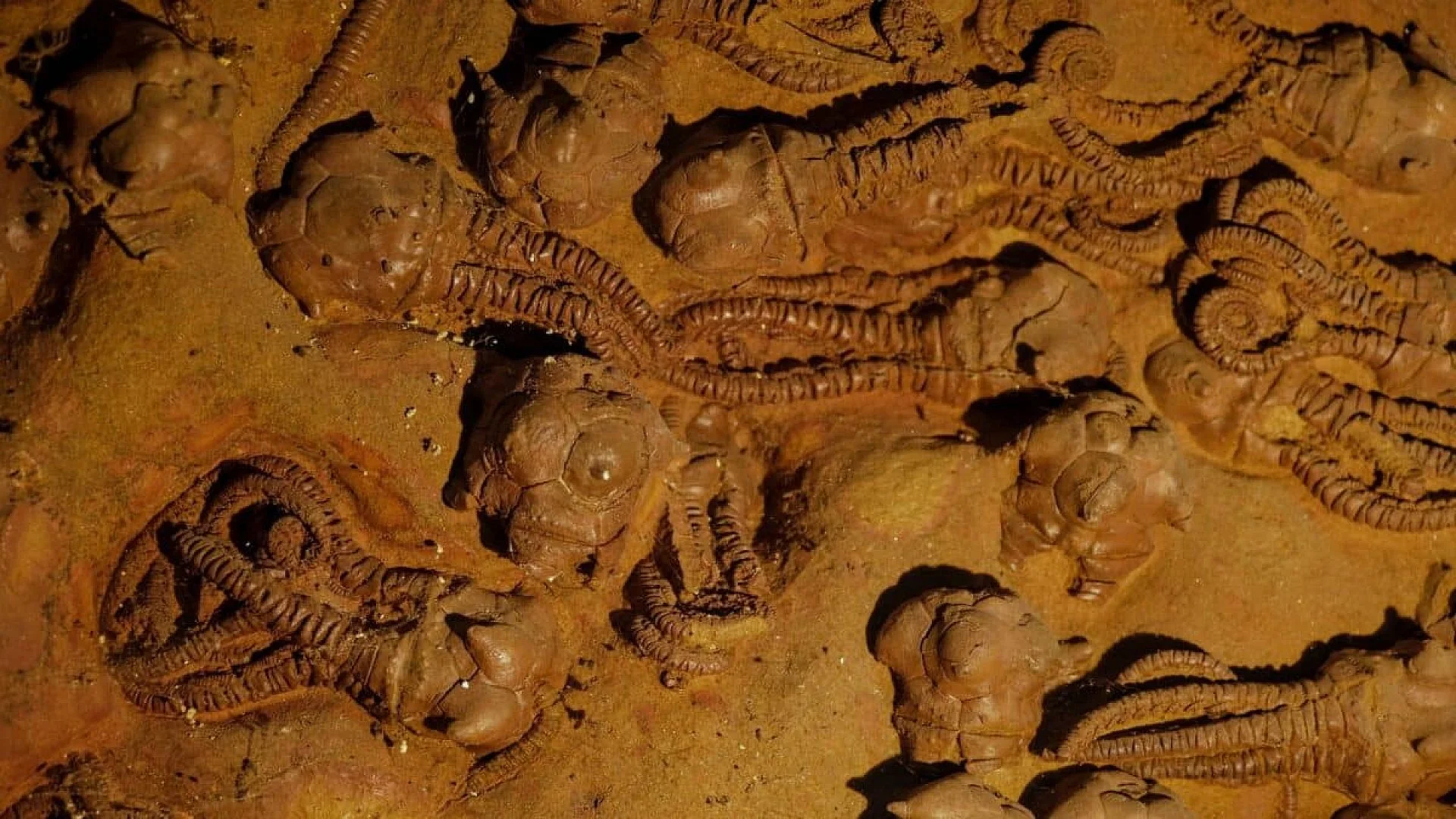
Egyptian researchers have uncovered a remarkable collection of fish fossils—close to 500 specimens—preserved in a single locality named Qreiya 3. The find offers a rare glimpse of marine life just a few million years after the Cretaceous‑Paleogene extinction event.
Dating to roughly 62.2 million years ago, the assemblage comprises more than 20 species of ray‑finned fish spread across nine higher‑order groups. “When we saw how intact the fish were, we realized this was something extraordinary,” said National Geographic Explorer and Mansoura University paleontologist Sanaa El‑Sayed. Their analysis, now published in Science Advances, fills a long‑standing gap in the early Paleocene fossil record.
Reconstructing the rebound of ocean ecosystems after the K‑Pg extinction has proved difficult. While terrestrial fossils clearly document the rise of mammals, birds and flowering plants, the marine side of the story has remained obscure. Co‑author Hesham Sallam of Mansoura University notes that Qreiya 3 “shows not just who survived, but who moved in and diversified in the empty niches left behind.”
A Surge of Percomorphs Shapes Post‑Extinction Seas
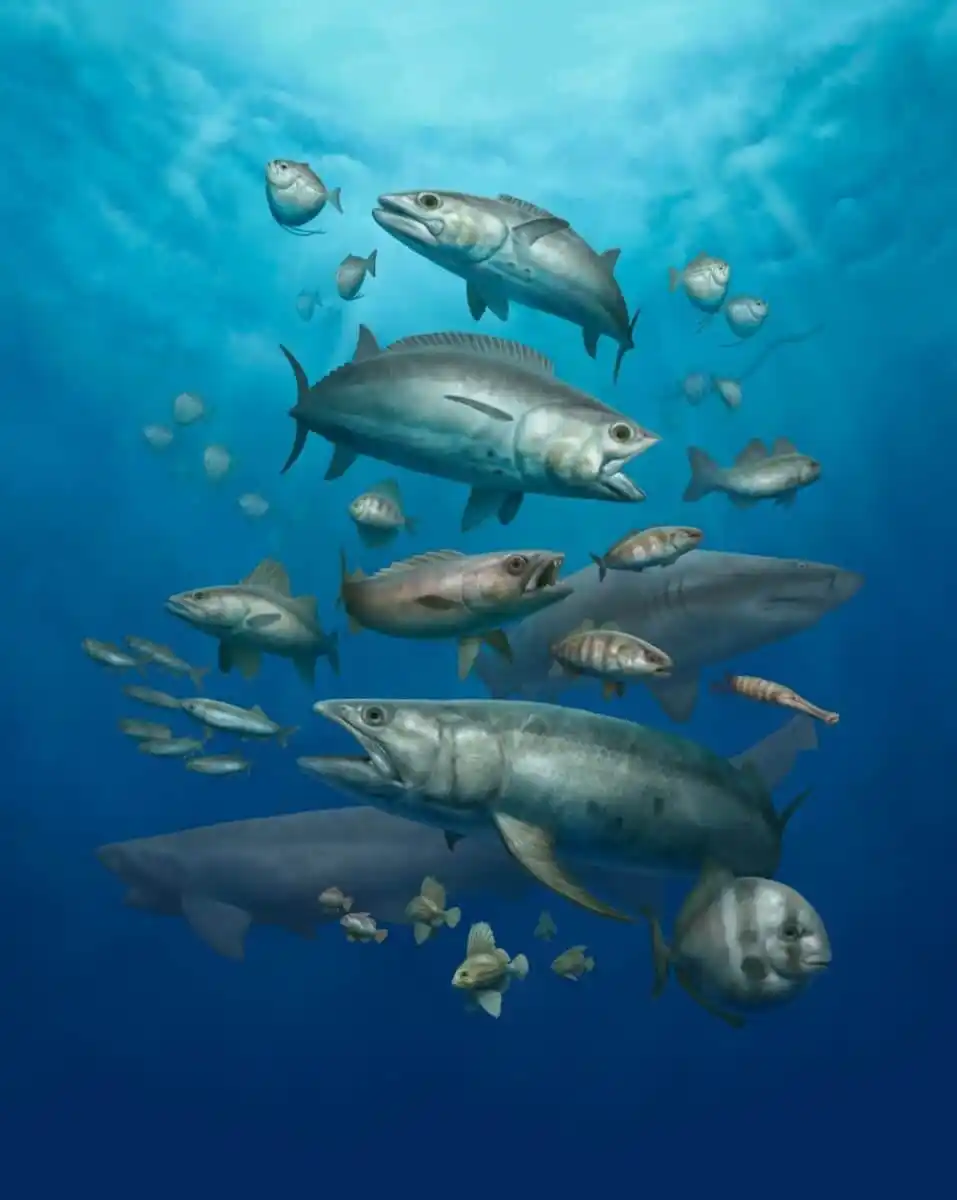
One of the most striking patterns at Qreiya 3 is the rapid expansion of percomorphs—a lineage that today includes tuna, seahorses and anglerfish. According to Sanaa El‑Sayed, these fishes existed before the extinction but were relatively rare.
“Qreiya 3 provides one of the clearest views yet of how modern marine ecosystems emerged,” adding that the location “reveals that many fish groups important in today’s oceans were present only four million years after the extinction of the dinosaurs,” said HeshamSallam.
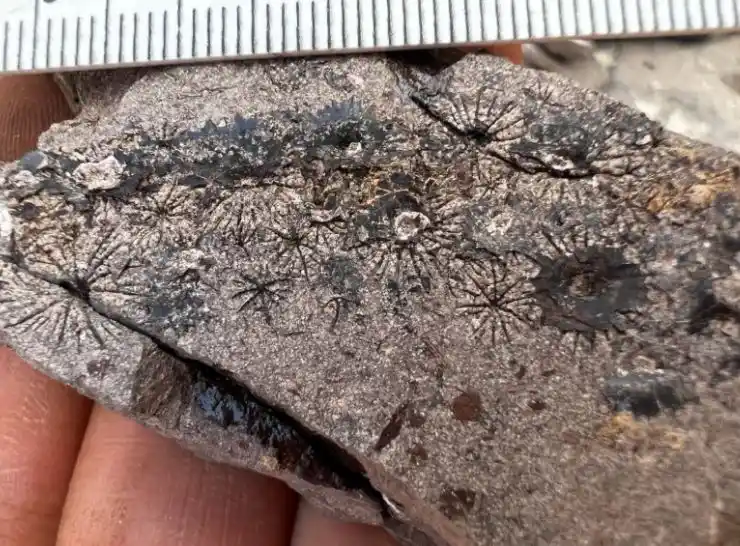
The site contains both tiny reef dwellers and needle‑toothed predators, indicating a burst of ecological experimentation. Among the most exciting discoveries is a predatory percomorph closely related to modern tuna and mackerel; its distinctive teeth helped identify it as the earliest known member of this fast‑swimming lineage. These specimens also bridge a roughly 10‑million‑year interval in bony‑fish evolution known as the “Patterson Gap,” named after the late Colin Patterson.
Marine Recovery Was Patchy
Although Qreiya 3 showcases a thriving fish community, the broader picture of oceanic rebound was uneven. Fossil evidence from other continents suggests that some regions retained more primitive fish for longer, while tropical waters appear to have assembled modern‑type assemblages first. The pattern aligns with expectations after a global catastrophe, where recovery rates vary across habitats.
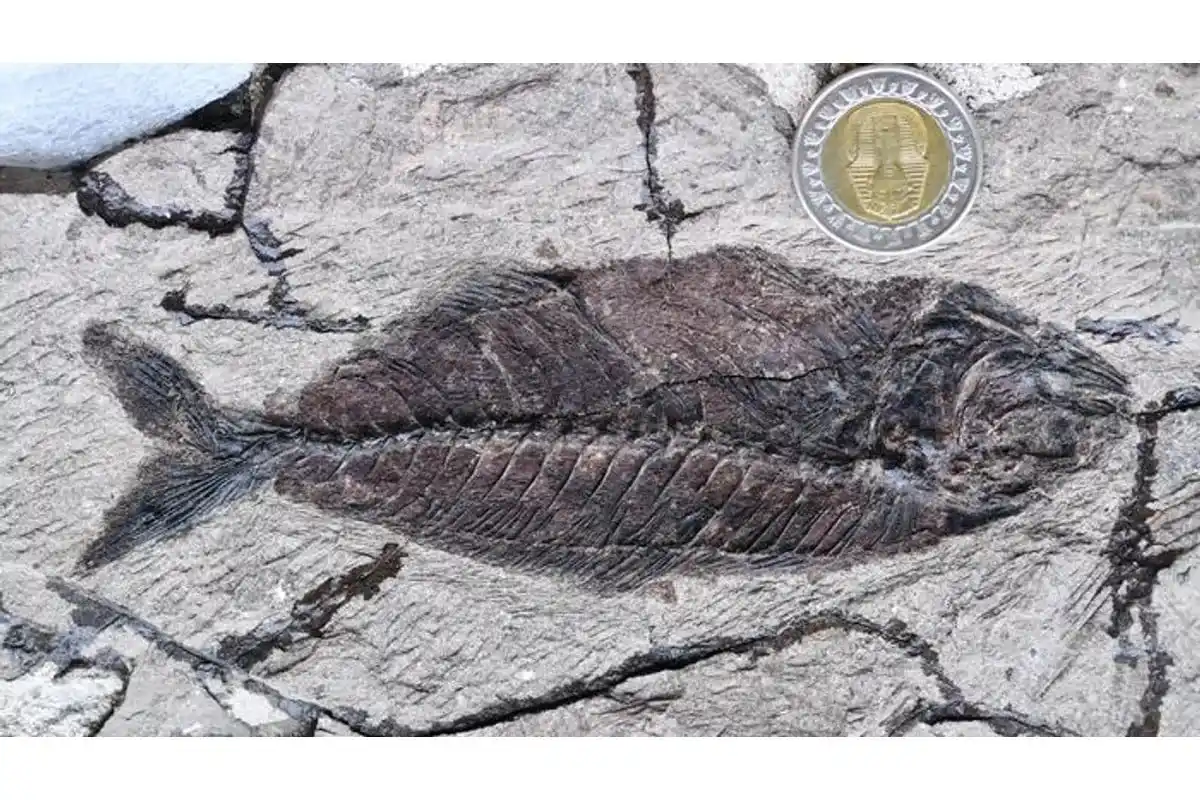
Elizabeth Sibert, a Woods Hole Oceanographic Institute paleontologist not involved in the study, commented: “the site is exciting because it provides ‘fossil evidence for fish communities during what was a critical time.’ She added that the locality supplies a solid reference point for a period that has been largely missing from the record.
Land and Sea Show Similar Evolutionary Bursts
The percomorph explosion mirrors terrestrial trends observed after the K‑Pg event. El‑Sayed highlighted that, just as tiny placental mammals and beaked birds diversified to fill vacant niches, certain fish groups rapidly radiated, laying the groundwork for modern marine ecosystems.
Researchers stress that the material examined so far represents only a fraction of what remains buried beneath the desert. “What we are publishing now is only the beginning of the story,” said Sallam. “This study is an initial synthesis from a much broader research effort. Many important specimens are still under preparation and study, and we expect this site to continue transforming our understanding of how modern marine fish faunas became established in the wake of the K–Pg extinction.”
This article has been fact checked for accuracy, with information verified against reputable sources. Learn more about us and our editorial process.
Last reviewed on .
Article history
- Latest version
Reference(s)
- “Sanaa El-Sayed.” <https://muvp.mans.edu.eg/index.php/en/component/content/article/191-sanaa?catid=106:administration&Itemid=921>.
- “Hesham Sallam.” <https://cddrl.fsi.stanford.edu/people/hesham_sallam>.
- “Woods Hole Oceanographic Institution.” Woods Hole Oceanographic Institution <https://www.whoi.edu/profile/esibert/>.
Cite this page:
- Posted by Divya Iyer