Scientists Discover Strange Bacteria Feeding Inside Sunken WWII Shipwrecks
Toxic chemical leaks from Pacific shipwrecks have created an unexpected habitat, with researchers discovering strange life thriving in the contamination.
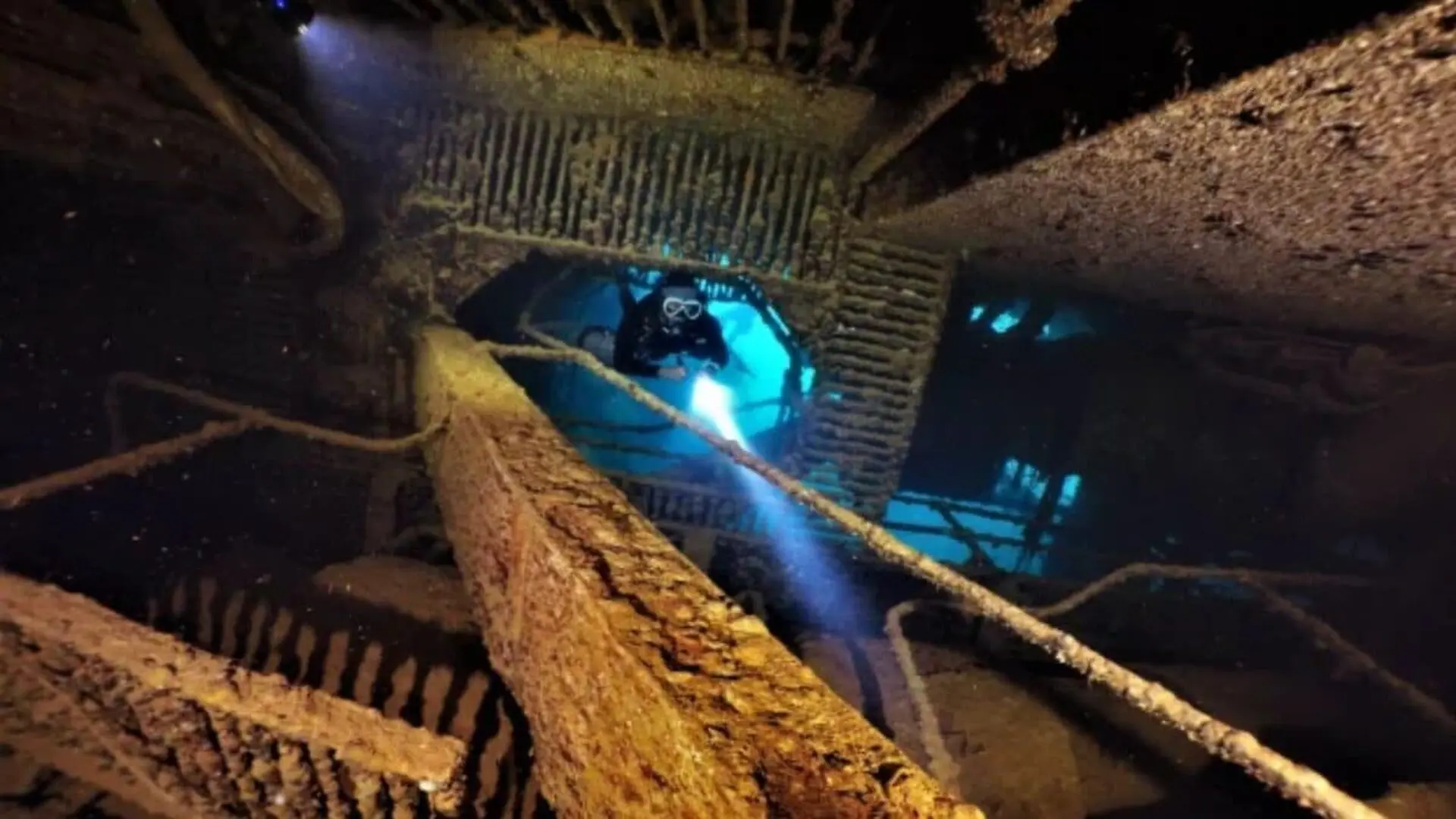
Researchers investigating the decaying remains of World War II vessels in Micronesia have uncovered an unexpected biological phenomenon. Deep within the fuel tanks of two Japanese shipwrecks, a surprisingly diverse array of bacteria has established a foothold, with several species known to possess the ability to consume the very hydrocarbons that pose a persistent environmental threat to the Pacific.
For over eight decades, these ships have served as submerged time capsules, gradually corroding and leaking petroleum into the marine environment. While such leakage is typically viewed as a strictly toxic event, this new study suggests that the wrecks may function as unique, long-term biological reservoirs.
An Underwater Legacy of Conflict
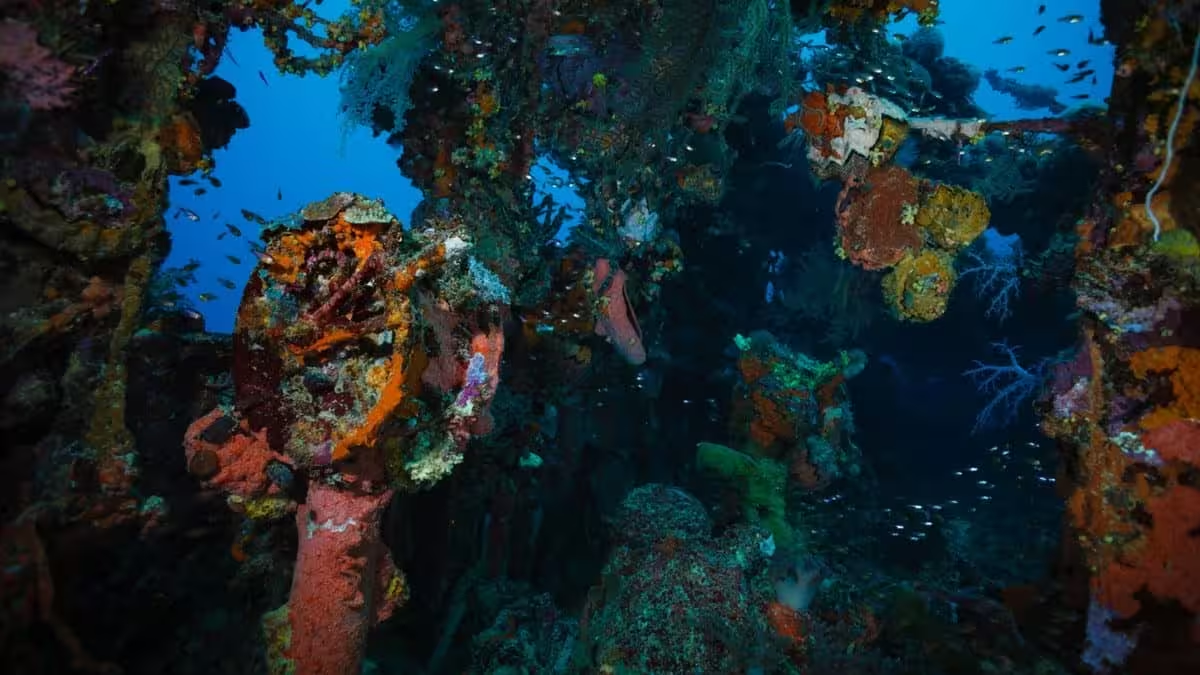
The study centered on Chuuk Lagoon, formerly known as Truk Atoll, which functioned as a vital Japanese naval stronghold during the Second World War. Following a massive 1944 aerial offensive by United States forces known as Operation Hailstone, the lagoon became a graveyard for roughly 200,000 tons of maritime debris. Today, approximately 330 oilers and tankers remain on the seafloor, acting as continuous, slow-release sources of oil pollution that complicate the health of local fisheries and coral reef ecosystems.
Chemical Environments and Microbial Inhabitants
A research team led by microbiologist Awei Bainivalu of the University of the South Pacific examined samples from two specific vessels: the Shinkoku Maru, which contains medium fuel oil, and the Kiyosumi Maru, which holds a heavier, more persistent petroleum product. While chemical analysis confirmed the presence of volatile aromatic compounds and complex hydrocarbons, the biological findings presented a stark contrast to the toxicity of the environment.
Potential for Natural Bioremediation
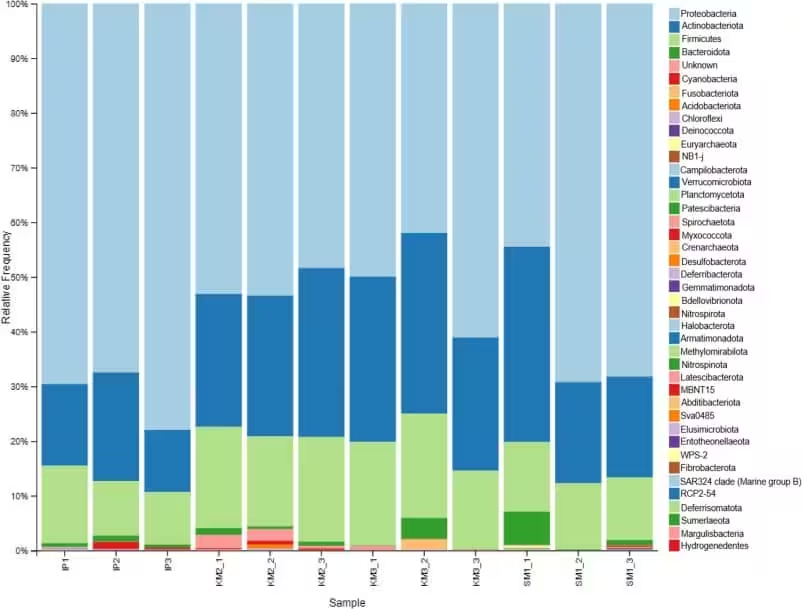
Genetic sequencing revealed a massive diversity of microbes, spanning 42 phyla and over 1,500 species, with Proteobacteria serving as the dominant group. Notable among these were genera such as Ralstonia, Sphingomonas, and Corynebacterium, all of which are recognized for their ability to metabolize petroleum hydrocarbons. The findings, published in the Marine Pollution Bulletin, indicate that these microbial communities are specifically structured to thrive under conditions of chronic hydrocarbon exposure.
Although the study did not confirm active degradation—the process where bacteria break down pollutants for energy—the researchers observed that the microbial composition shifted depending on whether the sample was pure fuel or the interface where oil meets seawater. This indicates that the fuel source itself is actively shaping the local microbiome. If these bacteria are indeed consuming the wreckage’s fuel, these sites could provide a vital blueprint for future bioremediation strategies, turning long-standing environmental hazards into laboratories for natural cleanup solutions.
This article has been fact checked for accuracy, with information verified against reputable sources. Learn more about us and our editorial process.
Last reviewed on .
Article history
- Latest version
Reference(s)
- Bainivalu, Awei T.., et al. “Characterization of hydrocarbons and associated bacterial communities in the Pacific WWII shipwreck oil.” Marine Pollution Bulletin, vol. 234, January 1, 2027, pp. 120422 Elsevier BV, doi: 10.1016/j.marpolbul.2026.120422. <https://sciencedirect.com/science/article/pii/S0025326X26012099?via%3Dihub&__cf_chl_tk=n0U4q5J_UROzc8m2_UGPASUJFAxCc5Bf.U7W8sJtnwQ-1792890334-1.0.1.1-EAqX1XDFF_wKxB3plWeX1z._eiKlivta3uzhzbv3TP8>.
Cite this page:
- Posted by Divya Iyer