80-Year‑Old WWII German Motorcycle Unearthed In Danube, Revealing Two Soldiers’ Remains
An 80‑year‑old WWII motorcycle recovered from the Danube solves a long‑standing mystery, revealing hidden wartime secrets.
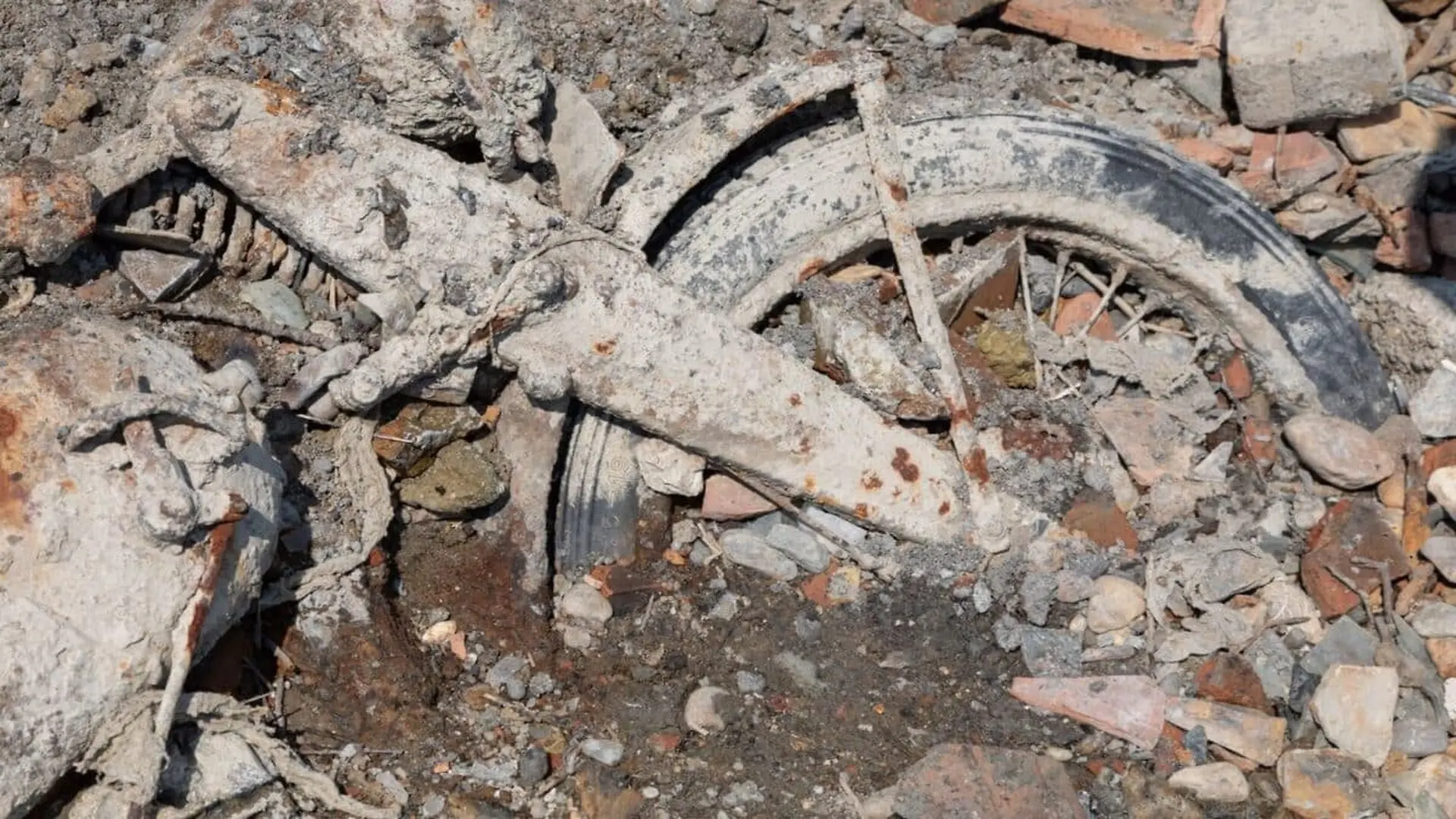
An unprecedented drop in the Danube’s water level has revealed a World War II German motorcycle and the skeletal remains of two soldiers lying beneath the river’s surface in central Budapest. The artifacts, hidden for more than eight decades, emerged with remarkable preservation.
The find occurred on a newly exposed stretch of riverbed close to the iconic Hungarian Parliament building. Decades of sediment had cloaked the objects, while a combination of mud, trapped gases and oil created a protective envelope that limited the usual deterioration caused by long‑term submersion.
The drought‑driven recession of the Danube has already uncovered dozens of German naval vessels near Prahovo, Serbia. This latest discovery, however, offers a far more intimate glimpse into the war’s human toll.
WWII Motorcycle Surfaces Nearly Whole
Archaeologists quickly identified the two‑wheeled relic as a DKW NZ 350‑1, a model deployed by German forces in the final phase of the conflict. According to a release from the German War Graves Commission, roughly 12 000 of these machines were built for military service after their introduction in 1944. The bike features a single‑cylinder, two‑stroke engine delivering 11.5 horsepower and capable of reaching about 56 mph.
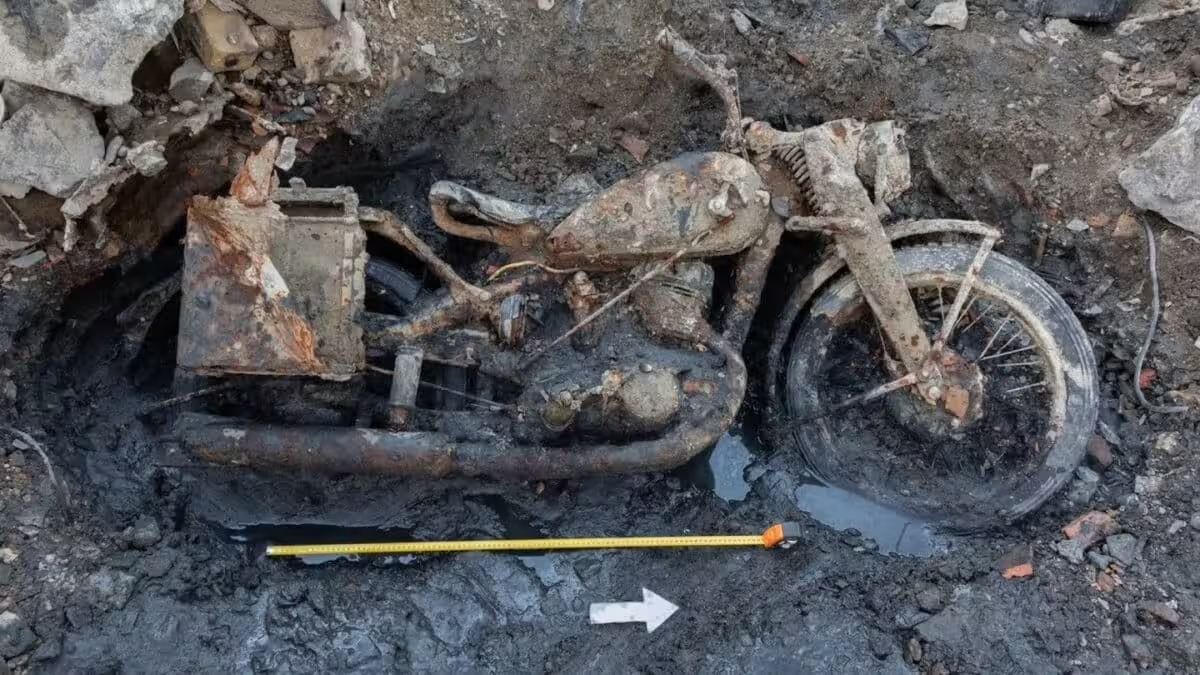
German units employed the NZ series for reconnaissance, dispatch and courier tasks. Unlike its predecessor, the NZ’s frame was welded rather than bolted, a design that demanded substantial electricity and forced the manufacturer, Auto Union AG, to run production at night to ease strain on the power grid.
Two Soldiers Rest Beneath the Bike
Excavation of the sediment layer under the motorcycle uncovered the remains of two infantrymen together with personal effects that had survived in unexpectedly good condition. Both halves of each soldier’s military identification tag remained attached to the bodies, indicating that news of their deaths likely never reached Berlin.
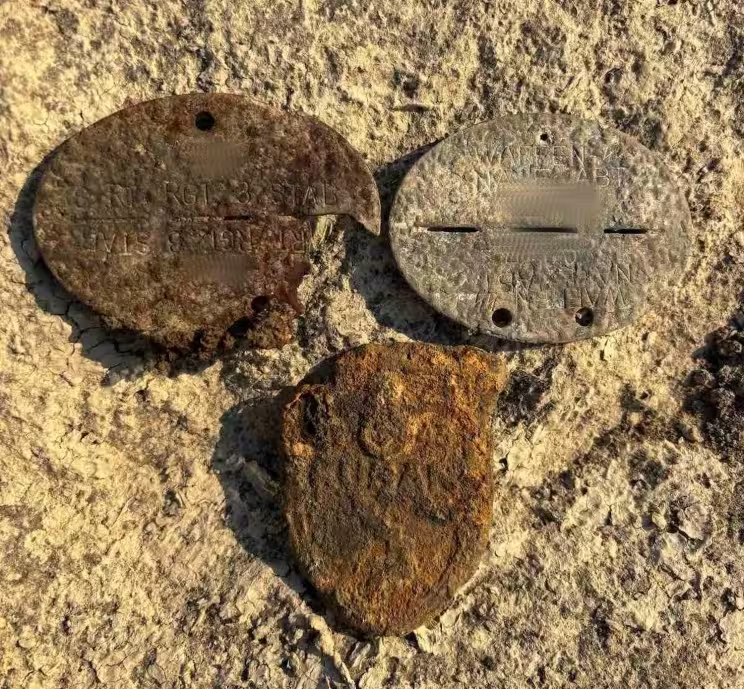
The tags are sufficiently intact to allow specialists to read the engraved information, though the names of the servicemen have not yet been disclosed. The German War Graves Commission is overseeing the recovery, and the remains are slated for interment at the German war cemetery in Budaörs, a short distance west of the Hungarian capital.
Context: The 1944‑45 Battle for Budapest
The motorcycle’s arrival coincided with the most turbulent phase of Budapest’s wartime history. German forces entered Hungary in March 1944, and by October that year the Soviet Red Army launched a massive offensive that sparked a five‑month siege. The fighting persisted until the German capitulation on February 13 1945.
Casualties were staggering. Popular Science estimates that the battle claimed over 30 000 German soldiers, 80 000 Soviet and Romanian troops, and 17 000 Hungarian civilians and combatants. The two individuals discovered beneath the motorcycle are believed to have perished during this brutal episode, their identities still awaiting confirmation. Their intertwined fate with the machine offers a poignant reminder of the personal stories concealed beneath the river’s depths for decades.
This article has been fact checked for accuracy, with information verified against reputable sources. Learn more about us and our editorial process.
Last reviewed on .
Article history
- Latest version
Reference(s)
- Paul, Andrew. “WWII motorcycle and soldiers emerge from river muck in Hungary.”, August 13, 2026 Popular Science <https://www.popsci.com/science/german-wwii-motorcycle-danube/>.
Cite this page:
- Posted by David Anderson