Scientists Find Thousands of Mysterious Geometric Nests on the Antarctic Seafloor
Researchers exploring beneath Antarctic ice have discovered hundreds of mysterious, carefully cleared circles, shedding new light on the deep-sea floor.
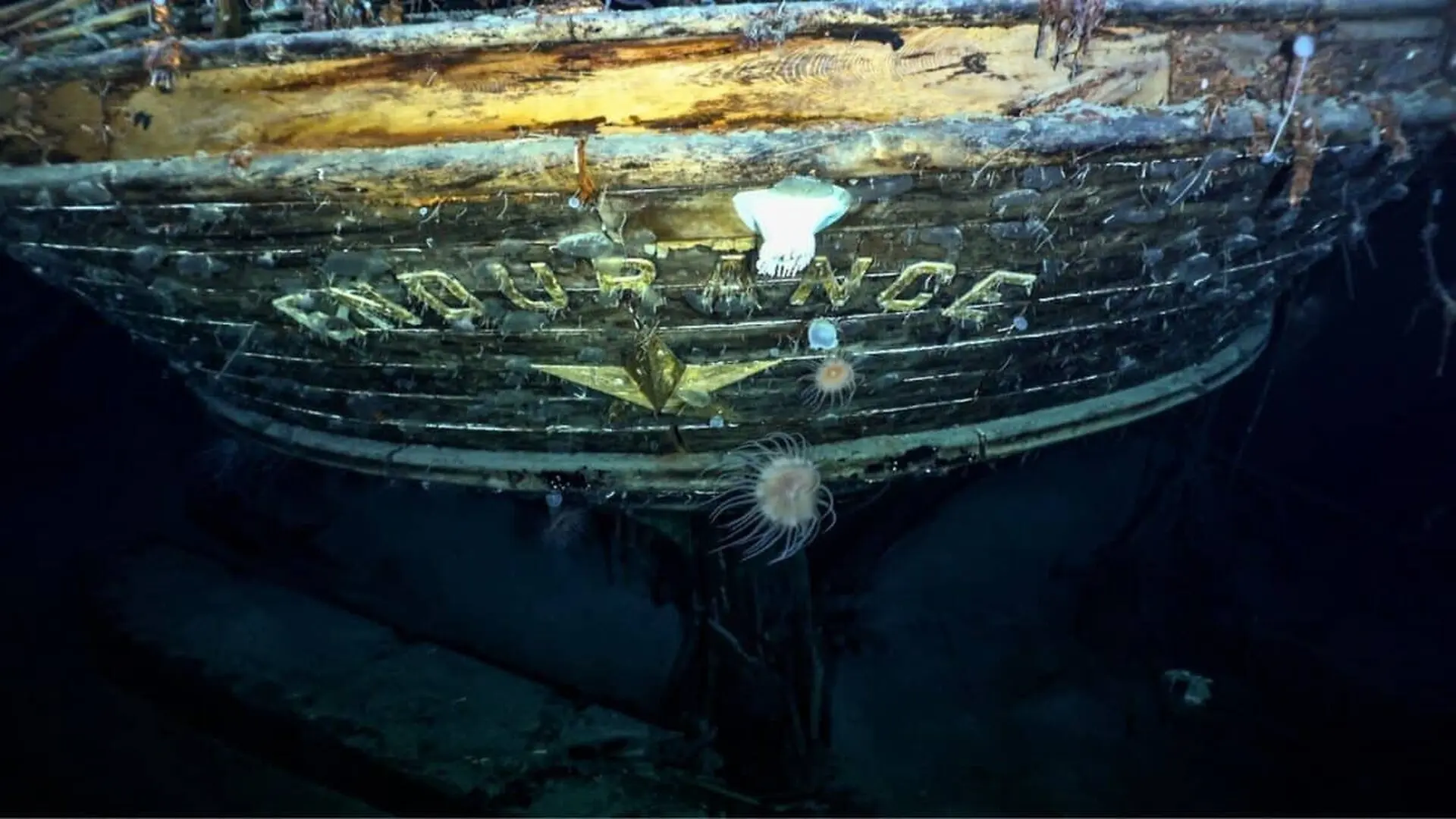
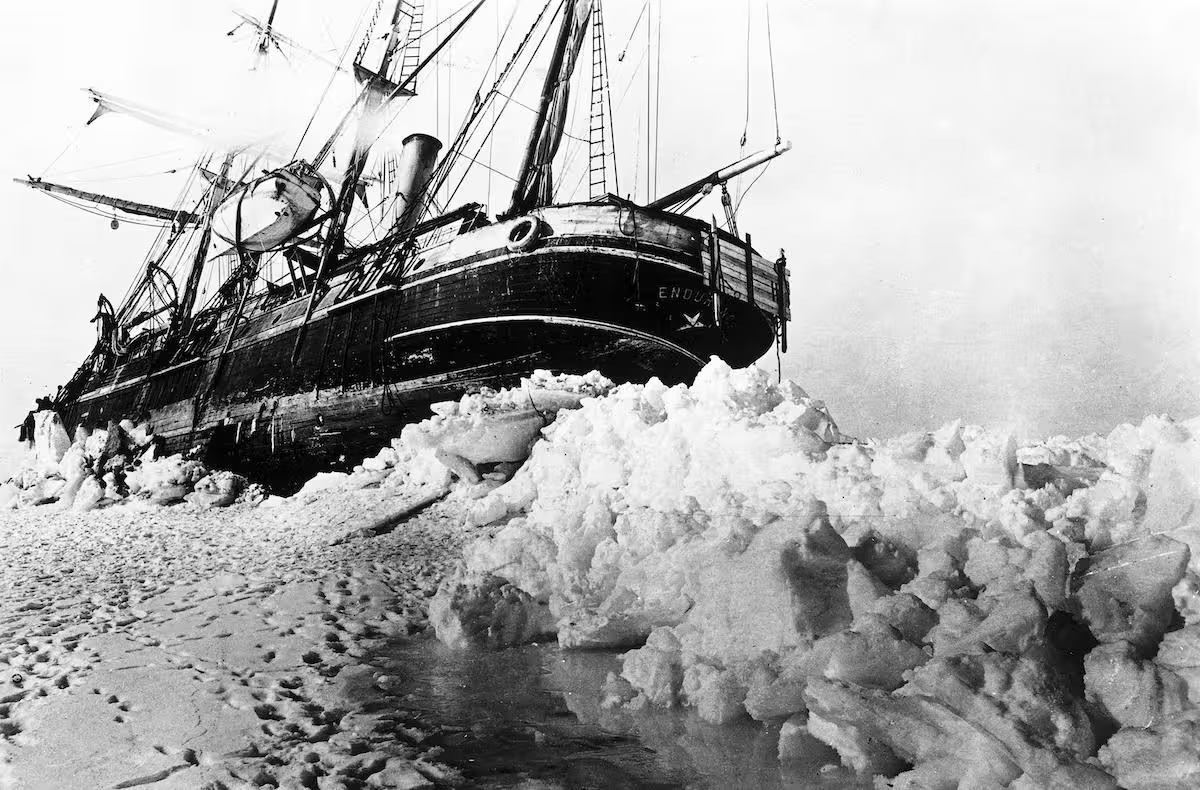
During a 2019 mission to the Weddell Sea—an expedition primarily focused on the ill-fated search for Ernest Shackleton’s sunken vessel, Endurance—scientists uncovered an unexpected ecological secret hiding on the Antarctic seafloor. While the search for the historic shipwreck was initially unsuccessful, the mission’s remotely operated vehicle, Lassie, captured footage of hundreds of small, deliberate depressions pockmarking the ocean floor.
New research published in Frontiers in Marine Science has officially identified these features as active nests maintained by the yellowfin notie (Lindbergichthys nudifrons). Led by marine biologist Russell B. Connelly from the University of Essex, the team analyzed 27 hours of benthic video footage to map these hidden breeding grounds.
Evidence of Sophisticated Nest Maintenance
The researchers documented 1,036 active nests across 277 distinct groups at depths ranging from approximately 290 to 411 meters. Although the survey took place after the peak hatching season, leaving many nests empty of eggs, the team found clear signs of ongoing maintenance. Unlike the surrounding sediment, which was blanketed in phytoplankton debris, the depressions were kept pristine by the adult fish. This behavioral hallmark allowed scientists to distinguish active sites from abandoned ones, even in the absence of offspring.
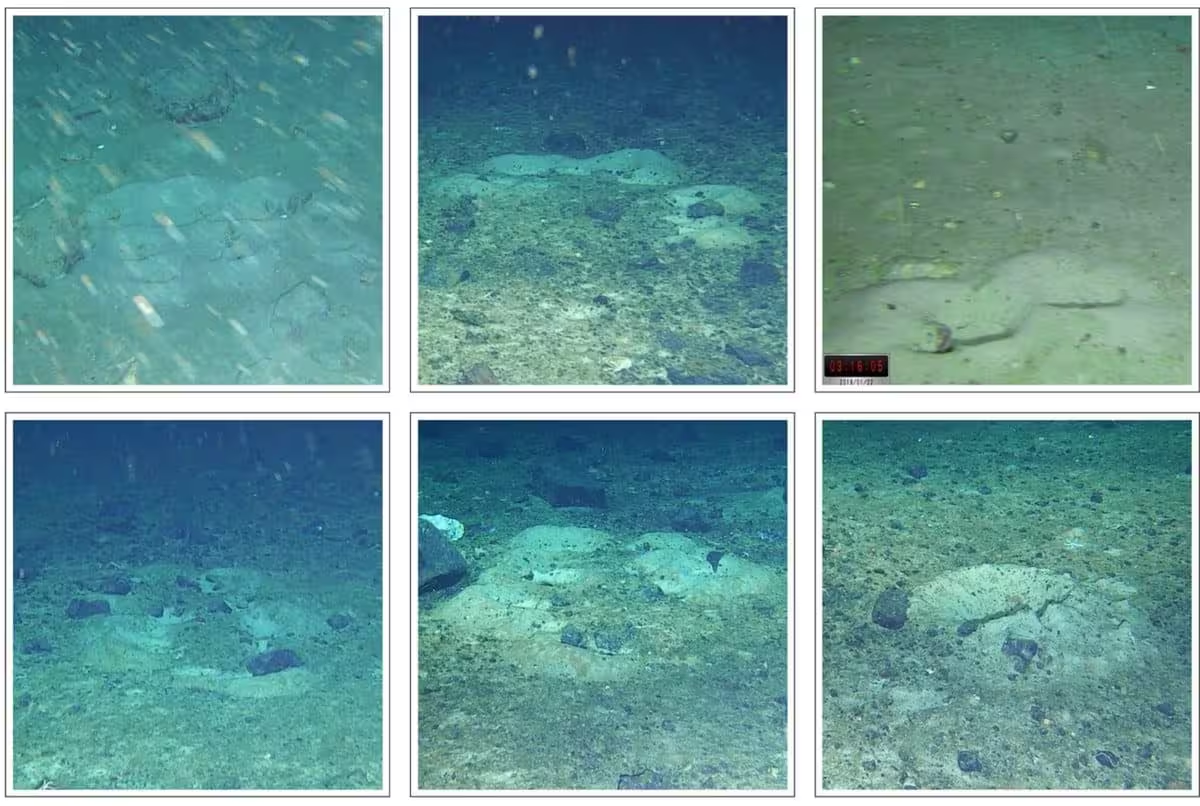
The fish displayed a striking variety of spatial arrangements, including clusters, crescents, lines, and U-shaped patterns. Clusters were the most prevalent, accounting for 42 percent of active nests. While the exact reason for these geometric groupings remains a subject of debate, researchers hypothesize that social nesting may mitigate the risk of predation, with central fish benefiting from the collective vigilance of their neighbors.
An Opportunity Created by Ice
The ability to survey these sites was only made possible by the 2017 calving of the A68 iceberg, a massive slab of ice roughly 5,800 square kilometers in size that broke away from the Larsen C Ice Shelf. The removal of this ice cover provided a rare window for researchers to explore the previously inaccessible seafloor. While the 2019 expedition failed to find the Endurance—which was eventually located in 2022 at a depth of 3,008 meters—the biological data gathered at the shallower nesting sites provided a major breakthrough in understanding Antarctic biodiversity.
Conservation Implications
Beyond the behavioral insights, the discovery has significant implications for environmental protection in the Southern Ocean. The authors argue that these high-density nesting grounds qualify as Vulnerable Marine Ecosystems, a classification used to identify sensitive habitats that require special attention. By confirming the existence of these expansive breeding colonies, the findings provide empirical support for the ongoing proposal to establish a Weddell Sea Marine Protected Area.
For marine scientists, the findings transform how we view the barren-looking Antarctic seabed. Rather than a static environment, it is a dynamic landscape where the yellowfin notie plays an active role in shaping its habitat, potentially influencing the broader ecosystem of the region.
This article has been fact checked for accuracy, with information verified against reputable sources. Learn more about us and our editorial process.
Last reviewed on .
Article history
- Latest version
Reference(s)
- Connelly, Russell. “A finding of maintained cryonotothenioid nesting sites in the Western Weddell Sea.” Frontiers in Marine Science, vol. 12, October 29, 2025, pp. 1648168 Frontiers, doi: 10.3389/fmars.2025.1648168/full. <https://www.frontiersin.org/journals/marine-science/articles/10.3389/fmars.2025.1648168/full>.
Cite this page:
- Posted by David Anderson