The Great Sheep Panic of 1888 Remains One of Britain’s Most Baffling Unsolved Mysteries
In 1888, thousands of sheep fled across the English countryside in a mysterious, miles-long panic that left farmers baffled. Discover the chilling story.
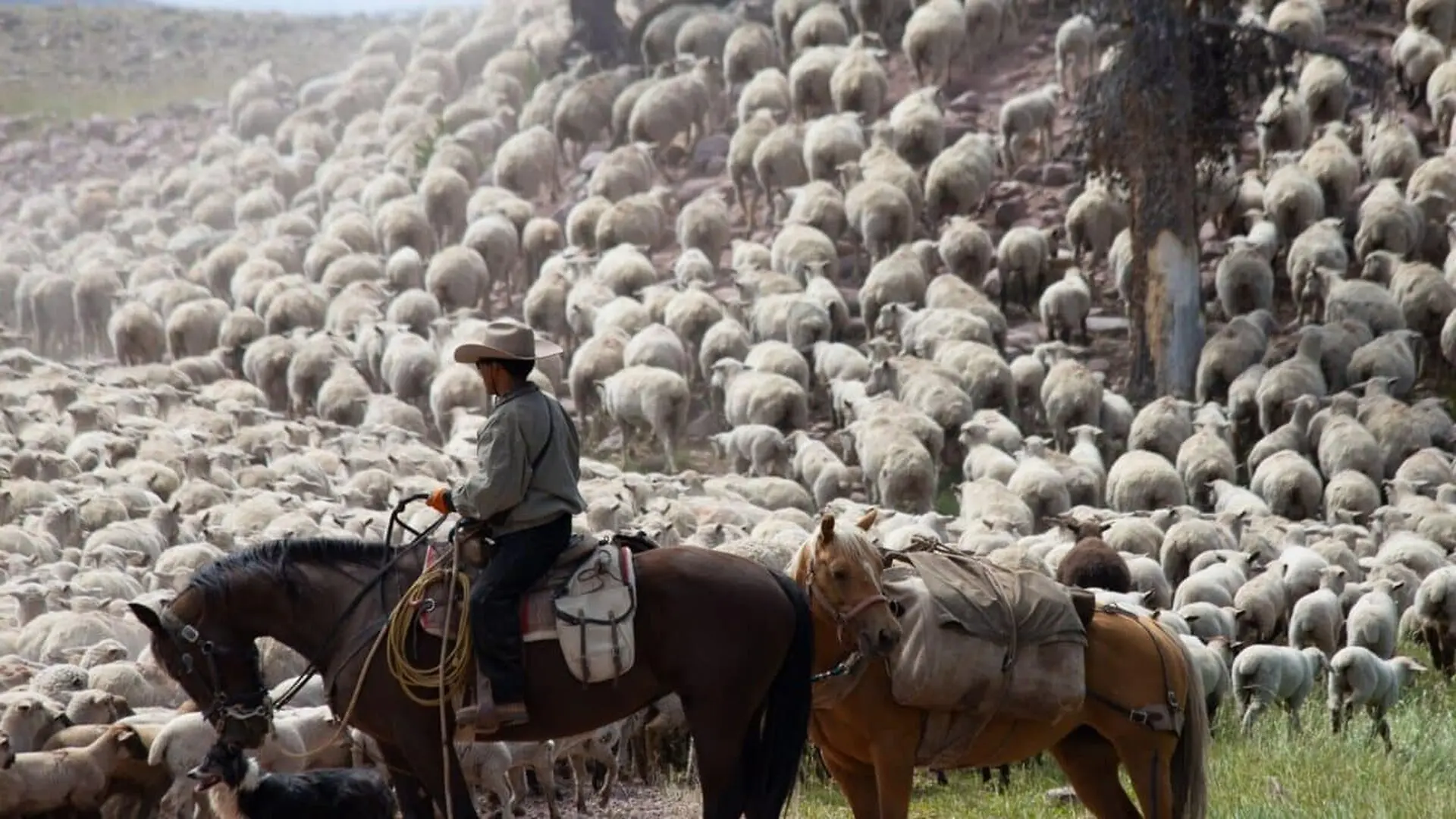
In November 1888, a bizarre and unexplained phenomenon swept across 200 square miles of the Oxfordshire countryside. Tens of thousands of sheep, which have been a cornerstone of British agriculture since their introduction to the island around 4,000 B.C.E., simultaneously bolted from their enclosures. The event, which saw livestock scattered miles from their home fields, left farmers and observers entirely baffled.
The incident was later documented in The Times of London on November 20, 1888. Reports from the time described the animals as being struck by a sudden, intense terror, leading to a massive stampede that saw fences breached and flocks displaced across a vast region. While the Royal Society for the Prevention of Cruelty to Animals (RSPCA) notes that sheep are naturally reactive prey animals, the sheer synchronization of the event across such a significant geographic area remains an anomaly in agricultural history.
Theories Behind the Mass Exodus
The mystery deepened when a similar event occurred in the same vicinity in 1893, prompting investigation from local experts, including the ornithologist Oliver Vernon Aplin. As noted in later accounts by Esoterx, Aplin suggested that the animals might have been triggered by an extraordinary environmental factor: extreme darkness.
Witnesses of the 1893 occurrence described a sudden, unnatural dimming of the landscape, claiming it felt as though they had been sealed within a pitch-black room. Aplin theorized that while sheep are accustomed to standard nighttime conditions, a sudden and total loss of visual cues could induce immediate, cascading panic. If a few animals initiated a flight response, the rest of the flock would likely follow suit.
Historical accounts of the original 1888 event also noted unusually dark conditions coupled with sporadic flashes of lightning. While these meteorological conditions provide a plausible catalyst for localized fright, they do not fully account for why the panic spread so rapidly and uniformly across such a broad expanse of land.
Lingering Scientific Questions
Despite the passage of more than a century, no definitive cause has been established for the mass panic. While the theory of acute, localized darkness remains the most prominent academic speculation, it fails to resolve the central enigma of how thousands of distinct flocks reacted at virtually the same moment.
The incident continues to be cited as one of the most curious episodes of mass animal behavior in British history. Ultimately, the significance of the 1888 event lies not in the fact that sheep felt fear, but in the inexplicable scale of their reaction, which transformed a routine night of grazing into a widespread mystery that remains unresolved.
This article has been fact checked for accuracy, with information verified against reputable sources. Learn more about us and our editorial process.
Last reviewed on .
Article history
- Latest version
Reference(s)
- “Newspaper Clipping of the Day.” <https://strangeco.blogspot.com/2021/09/newspaper-clipping-of-day_8.html>.
- “Sheep Welfare - Understanding Sheep Behaviour - RSPCA - rspca.org.uk.” RSPCA <https://www.rspca.org.uk/adviceandwelfare/farm/sheep>.
- projects, Contributors. “British ornithologist (1858-1940).”, December 11, 2012 Wikimedia Foundation, Inc. <https://en.wikipedia.org/wiki/Oliver_Vernon_Aplin>.
- <https://esoterx.com/2015/07/14/the-mysterious-oxfordshire-sheep-panic-of-1888/>.
Cite this page:
- Posted by Elizabeth Taylor