Scientists Discover How Cold Temperatures Could Slow Aging and Fight Neurodegenerative Disease
Scientists have uncovered a molecular pathway in roundworms that explains how colder body temperatures may effectively extend lifespan across many species.
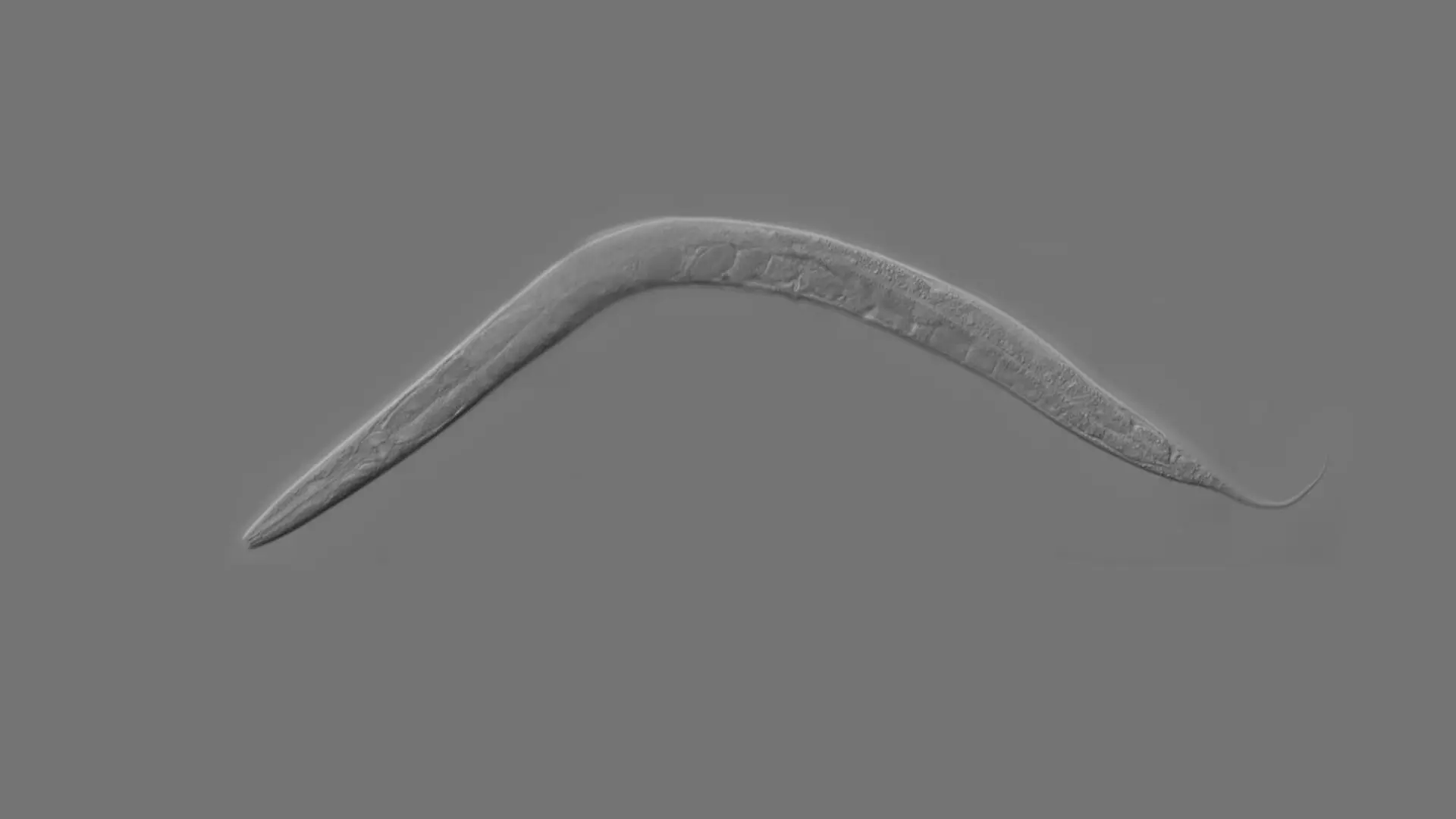
For over a century, scientists have been fascinated by the observation that lowering ambient temperatures can significantly extend the lifespan of organisms ranging from C. elegans roundworms to fruit flies and mice. While this phenomenon—often linked to the historical “rate-of-living” theory—has been observed repeatedly, the molecular drivers behind this thermal longevity boost have remained elusive. A new study is now providing a clearer picture, suggesting that the secret to a longer life may be hidden within the chemical output of our muscles.
The research, recently published in Nature, tracked the metabolic changes in roundworms kept at moderately cooler temperatures. The team observed that these worms experienced a 15 percent increase in lifespan. Central to this survival boost was a sharp rise in a molecule called BH2, a vital co-factor that assists enzymes in creating essential brain chemicals. The study revealed that BH2 is primarily synthesized in the muscles before being distributed to organs like the brain and intestines, where it triggers the production of the amino acid tyrosine.
Mapping this pathway has implications far beyond worm biology. When the researchers applied BH2 and tyrosine to human cell models, they found the treatments effectively protected cells against the toxic protein aggregation characteristic of neurodegenerative conditions such as Huntington’s disease, ALS, and dementia. By boosting the cells’ ability to maintain protein homeostasis—the critical balance of folding, managing, and clearing proteins—the intervention helped prevent the cellular decay associated with aging.
The findings emphasize that muscles may function as more than just engines for movement; they appear to serve as an active “metabolome” that signals to other tissues how to age. This discovery aligns with previous work from 2023, where researchers led by David Vilchez at the University of Cologne identified that cold temperatures enhance the activity of the proteasome, the cell’s internal waste-disposal system, in both worms and humans. The new research builds on this by identifying the specific molecular messengers responsible for these protective effects.
While the prospect of mimicking the anti-aging benefits of a cold environment with a pharmaceutical pill is an enticing goal, experts urge caution. Translating these findings from worms to human medicine is a complex leap. The BH2 pathway is sensitive, and researchers warn that improper supplementation could inadvertently disrupt the balance of reactive oxygen species within cells, potentially causing more harm than good.
Despite the hurdles, the study offers a promising blueprint for future therapeutic development. Rather than attempting to influence the entire body, scientists may be able to target specific tissues like muscle to drive systemic health benefits. Researchers note that existing medications already known to influence this metabolic pathway could eventually serve as candidates for clinical studies, helping to determine if the mechanisms observed in the lab can safely and effectively stall age-related decline in humans.
This research underscores that the quest for longevity is moving toward more nuanced, targeted approaches. As Hanseul Lee and Seung-Jae Lee of the Korea Advanced Institute of Science and Technology, who were not involved in the study, noted in a related commentary, highlighting the muscle’s role as a signaling hub could redefine how we approach the treatment of neurodegenerative disorders and the aging process itself.
This article has been fact checked for accuracy, with information verified against reputable sources. Learn more about us and our editorial process.
Last reviewed on .
Article history
- Latest version
Reference(s)
- Lee, Hyun. “Cold activates a BH2 metabolic network promoting longevity and proteostasis - Nature.”, October 21, 2026, pp. 1-10. Nature, doi: 10.1038/s41586-026-11152-9. <https://www.nature.com/articles/s41586-026-11152-9>.
- Lee, Hanseul. “Worms live longer in cool conditions thanks to a muscle-derived molecule.”, October 21, 2026, doi: 10.1038/d41586-026-03066-3. <https://www.nature.com/articles/d41586-026-03066-3>.
Cite this page:
- Posted by Elizabeth Taylor