Common Genetic Testing Labs Spot Mutations Well But Stumble on Reporting
A new proficiency study reveals hidden paperwork and annotation errors in clinical screening for a widespread blood enzyme disorder.
A new quality check of genetic testing labs in China reveals that while most facilities correctly spot the DNA changes behind a common red blood cell disorder, many struggle with how they write down and report the results. The research, published in PLOS One, highlights hidden reporting errors that could potentially confuse doctors treating patients with glucose-6-phosphate dehydrogenase deficiency.
How Lab Performance Was Put to the Test
Glucose-6-phosphate dehydrogenase deficiency is an inherited condition where the body lacks enough of a specific enzyme needed to protect red blood cells from oxidative stress. When affected individuals eat fava beans or take certain high-risk medications, their red blood cells can break apart in a dangerous process known as hemolysis. Because the condition follows an X-linked pattern, it affects males and females differently, making accurate genetic diagnosis essential for safe drug prescribing and dietary guidance.
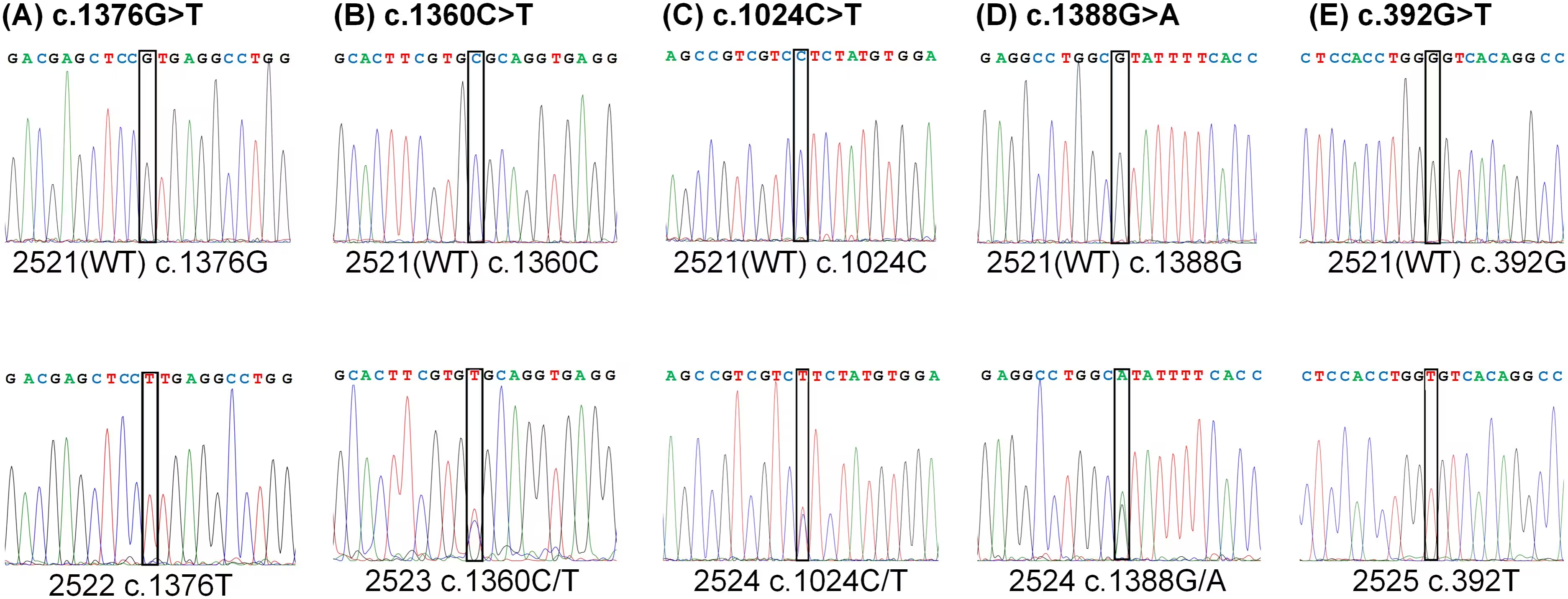
To evaluate how well diagnostic laboratories handle this genetic screen, researchers distributed a panel of five simulated dried blood spot samples to 23 participating labs across China. The testing panel included normal samples alongside others carrying known disease-related variants, such as the Canton, Chinese-2, Kaiping, Chinese-5, and Chinese-4 mutations. Laboratories analyzed these blinded samples using their standard local methods, which ranged from commercial in vitro diagnostic kits to custom laboratory-developed tests.
What the Quality Assessment Scores Revealed
Out of the 23 laboratories that returned data within the three-week window, 14 achieved an optimal score of 100 points, eight earned acceptable scores between 80 and 99 points, and only one laboratory fell into the unacceptable range below 80 points. Performance proved comparable whether facilities relied on commercial assay kits or custom procedures, suggesting that routine lab protocols and experience matter more than the specific commercial platform used.
However, a closer look at the paperwork exposed widespread trouble with clinical reporting standards. Although every single lab successfully detected the presence of the pathogenic DNA variants, eight facilities committed a combined total of 49 reporting mistakes. The most frequent misstep was leaving out proper transcript annotations, which occurred 25 times across five different laboratories.
Why Paperwork Mistakes Matter for Patients
Other common errors included choosing incorrect reference transcripts, omitting variant descriptions entirely, and mixing up hemizygous versus homozygous genetic statuses. Because genetic test reports guide critical clinical decisions, ambiguous wording or missing transcript data can lead to misunderstandings among physicians who rely on the results to prevent life-threatening hemolytic episodes.
The authors note that the pilot study carried certain limitations, including a small sample panel of only five specimens and a focus restricted to a few common missense variants prevalent in the Chinese population. Even so, the findings point to an urgent need for standardized reporting education and stronger quality assurance measures as genetic screening becomes a standard part of routine medical practice.
The research was published in PLOS One on November 16, 2026.
This article has been fact checked for accuracy, with information verified against reputable sources. Learn more about us and our editorial process.
Last reviewed on .
Article history
- Latest version
Reference(s)
- Bao, Yun., et al. “External quality assessment of genetic testing for Glucose-6-phosphate dehydrogenase deficiency in Shanghai and other regions.” PLOS One, vol. 21, no. 11, November 16, 2026, pp. e0362593 Public Library of Science (PLoS), doi: 10.1371/journal.pone.0362593. <https://doi.org/10.1371/journal.pone.0362593>.
Cite this page:
- Posted by Faisal Qureshi