Maternal Mortality Study Reveals Shift Toward Indirect Health Risks
An analysis of nearly half a million births in Taiyuan shows declining urban deaths, but persistent rural gaps and a rise in chronic medical complications.
An extensive look at maternal mortality records from 2016 through 2024 across Taiyuan, a major urban and regional hub in China, reveals a sharp drop in overall deaths even as indirect medical conditions increasingly outweigh direct birth complications. The investigation, published in PLOS One by researchers Fang Wang and Hailan Yang, tracked 424,392 live births and documented 33 maternal deaths over the nine-year span. While urban areas saw significant safety improvements, rural communities experienced persistent disparities that highlight ongoing healthcare challenges.
How Maternal Mortality Rates Shifted Across Urban And Rural Settings
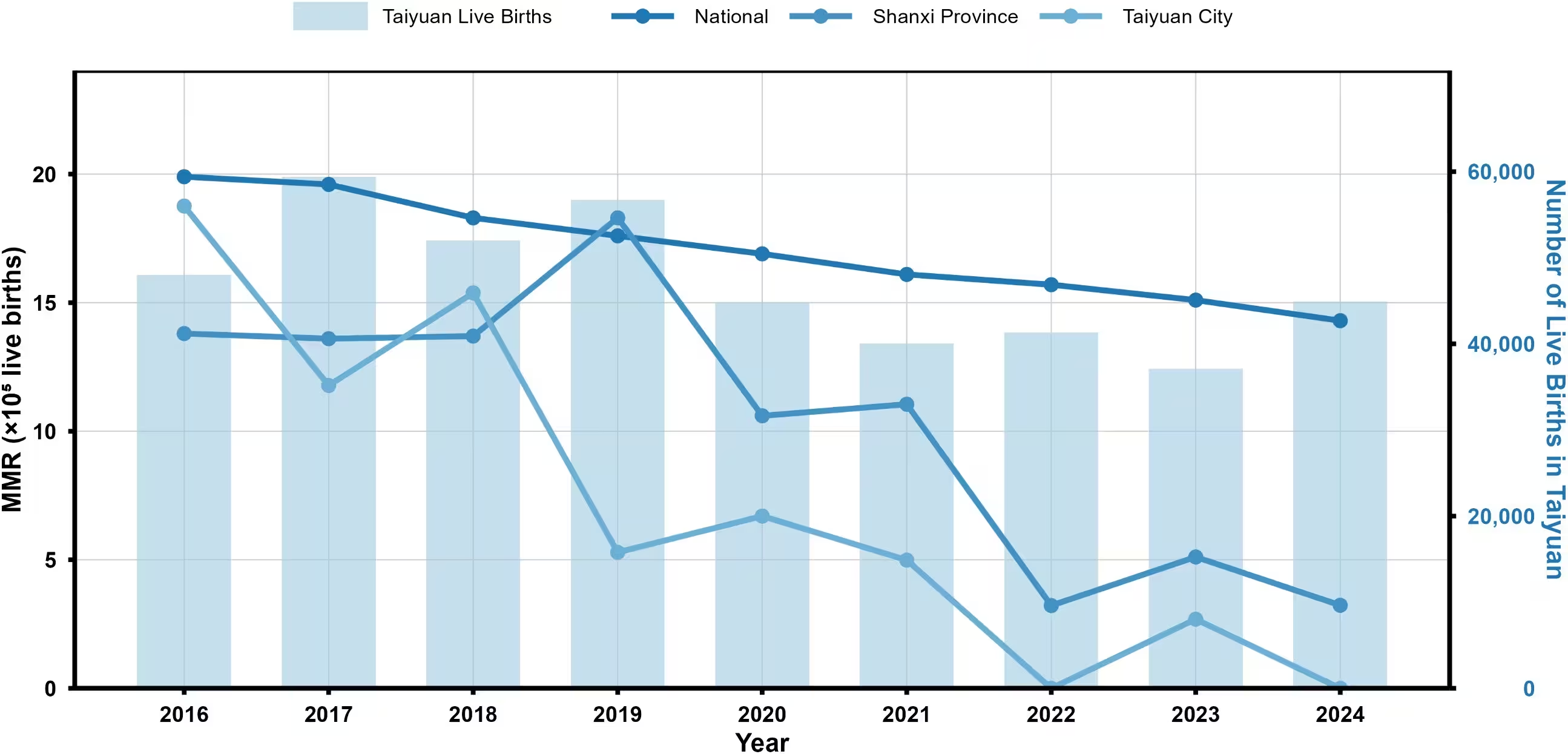
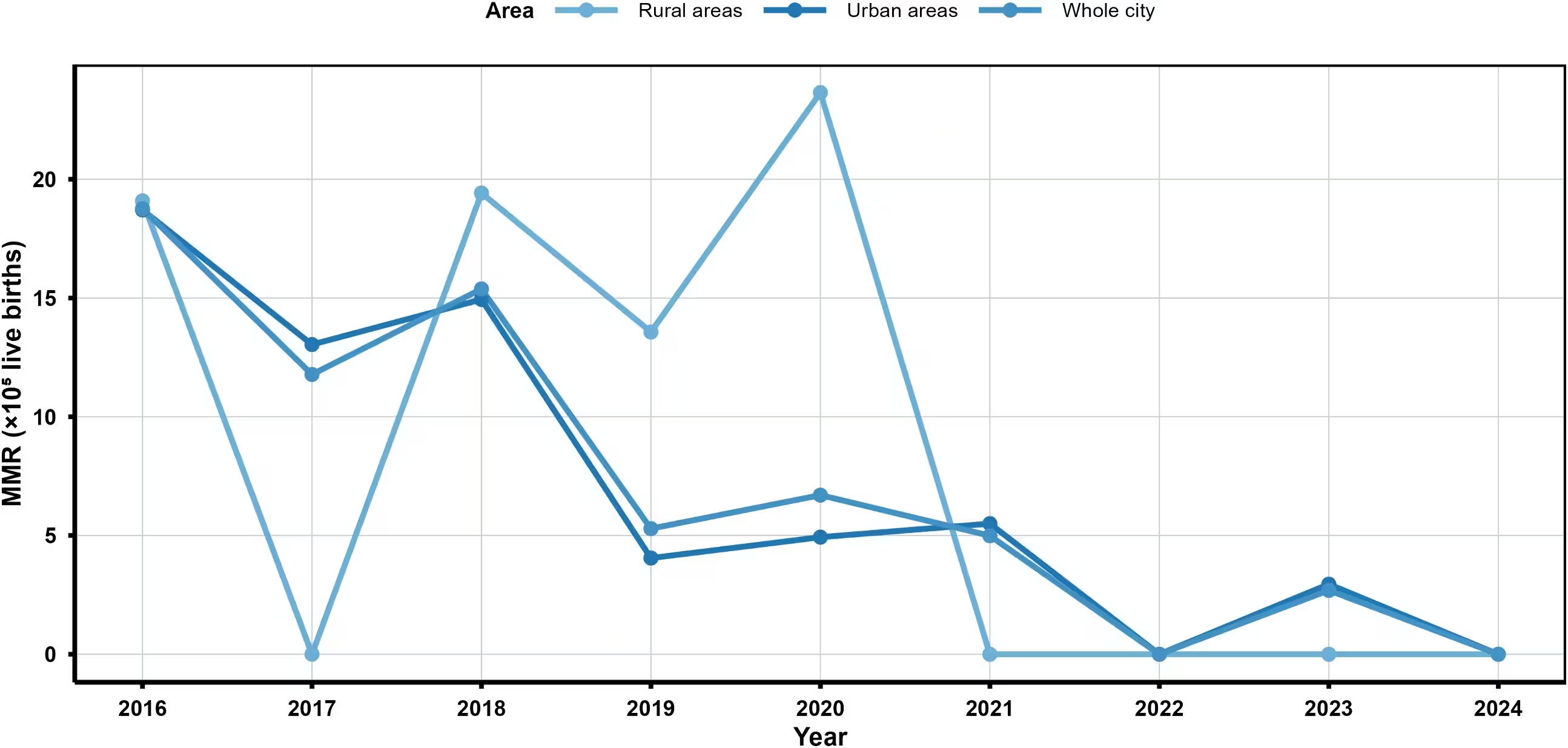
During the study period, the overall maternal mortality ratio averaged 7.76 deaths per 100,000 live births. Urban centers recorded 382,575 live births and 29 deaths, yielding a lower ratio of 7.58 per 100,000. In contrast, rural regions saw 41,817 live births and 4 deaths, resulting in a higher ratio of 9.57 per 100,000. Statistical modeling indicated a significant downward trend in urban sectors, whereas rural figures showed no notable temporal change.
Most fatalities occurred in advanced healthcare settings. Specifically, 83.9% of the recorded deaths took place in provincial or municipal hospitals. Meanwhile, home deaths accounted for 16.1% of the total, and single-digit percentages occurred during transport or at county hospitals. Researchers noted that the concentration of severe cases in major medical centers reflects referral pathways for high-risk patients, alongside potential delays in reaching specialized care.
Why Indirect Health Conditions Now Outnumber Direct Birth Complications
A major finding of the analysis involves the primary causes of death among expectant and postpartum mothers. Indirect obstetric conditions, which encompass pre-existing or newly developed medical issues exacerbated by pregnancy, accounted for 66.7% of all fatalities. Direct obstetric complications, such as hemorrhage or acute surgical emergencies, made up the remaining 33.3%.
Among the indirect categories, other medical diseases represented 15.2% of deaths, while cardiovascular disease, cerebral hemorrhage, and blood clots each accounted for 12.1%. For direct causes, hypertensive disorders of pregnancy and amniotic fluid embolism each contributed 9.1%. The authors suggest this distribution points to an epidemiological transition away from acute obstetric crises and toward chronic health management.
What Aging Maternal Demographics Mean For Future Healthcare Strategies
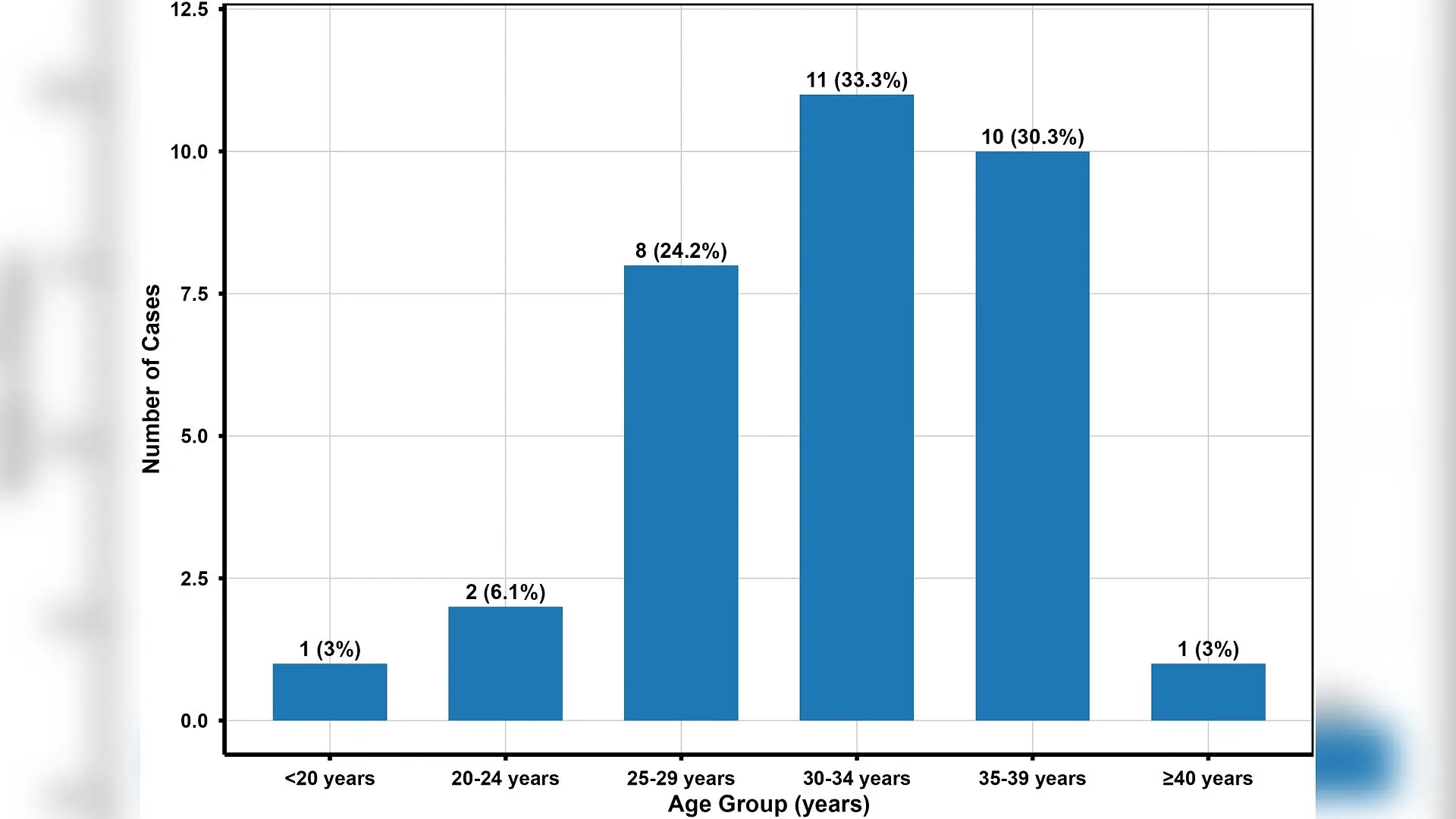
The data also demonstrated a distinct age concentration, with women aged 30 through 39 accounting for 63.6% of all recorded deaths. The 30 to 34 age bracket represented 33.3% of fatalities, and the 35 to 39 bracket accounted for 30.3%. Investigators attribute this age pattern to broader demographic shifts, including delayed childbearing and a rising prevalence of advanced maternal age pregnancies following the implementation of China’s universal family policies.
The study authors emphasize that preventing future deaths will require integrated medical care that goes beyond traditional emergency obstetric services. Strengthening early screening in community clinics, managing chronic pre-pregnancy conditions, and addressing rural resource gaps are vital steps for ensuring maternal safety as population health needs continue to evolve.
The research was published in PLOS One on November 13, 2026.
This article has been fact checked for accuracy, with information verified against reputable sources. Learn more about us and our editorial process.
Last reviewed on .
Article history
- Latest version
Reference(s)
- Wang, Fang., et al. “Trends and causes of maternal mortality in Taiyuan, China, 2016–2024: A population-based observational study.” PLOS One, vol. 21, no. 11, November 13, 2026, pp. e0362983 Public Library of Science (PLoS), doi: 10.1371/journal.pone.0362983. <https://doi.org/10.1371/journal.pone.0362983>.
Cite this page:
- Posted by Vikram Desai