Why Lightweight Plastic Packaging Is Much More Likely To End Up In A Landfill
New research reveals that lightweight bottles and boxes are up to 92% more likely to end up in landfills rather than being recycled.
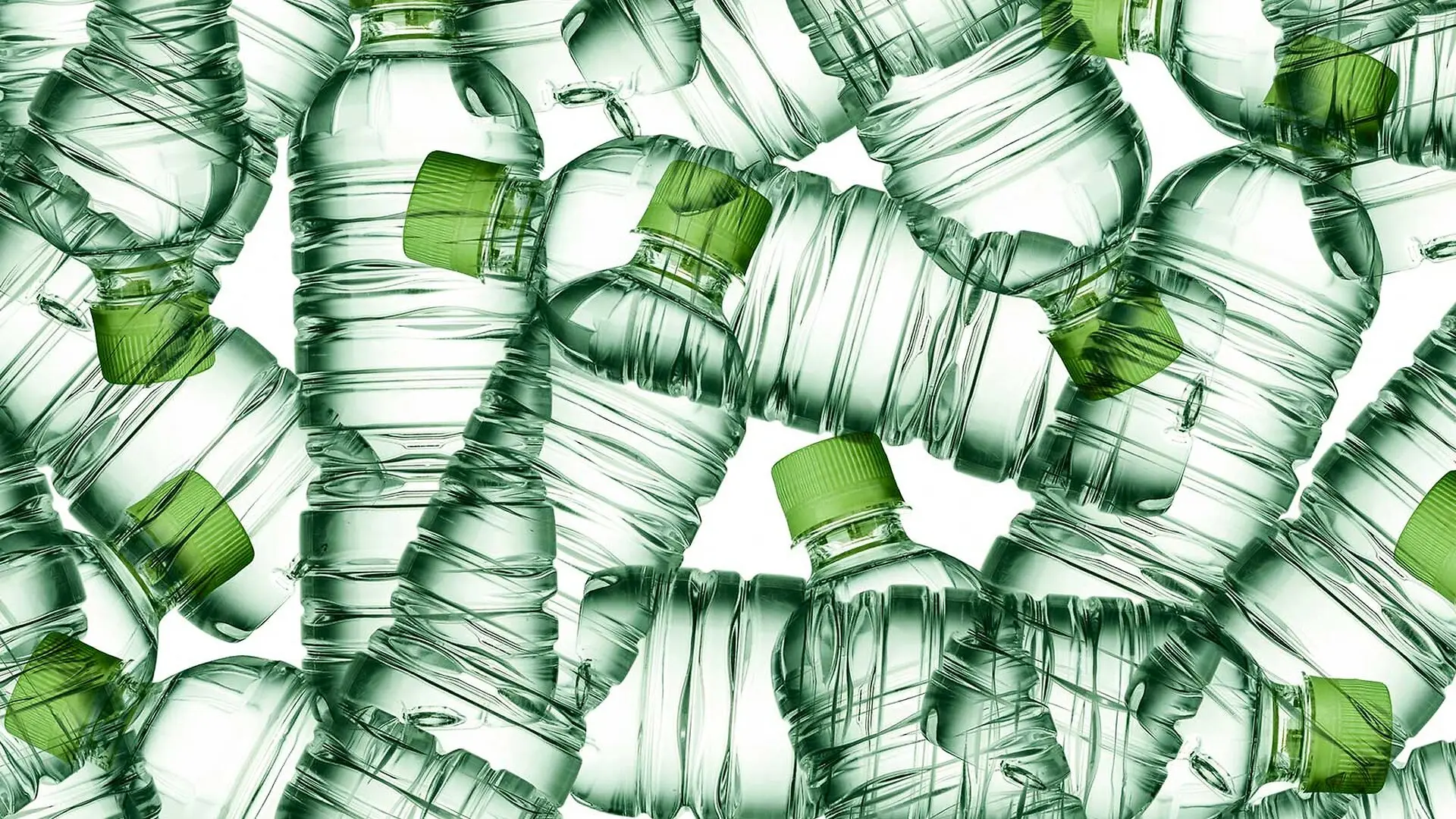
For two decades, manufacturers have leaned into “lightweighting” as a cornerstone of corporate sustainability, thinning plastic bottles and trimming cardboard packaging to slash fuel costs and material usage. While these design shifts are celebrated as environmental victories, new research from the University of Georgia suggests this trend may have a significant, unintended consequence: consumers are far more likely to send flimsy, lightweight packaging to a landfill than their sturdier counterparts.
The study, published in the Journal of the Academy of Marketing Science, indicates that human disposal habits are heavily influenced by the perceived quality of an object. When a package feels substantial, users often assign it inherent value, which creates a psychological barrier to discarding it. Conversely, items that feel thin or “crinkly” are often subconsciously categorized as disposable trash.
“Things that are lightweight—if they feel flimsy, if they feel low quality—there’s an assumption that they don’t have value,” explains Sarah Whitley, an assistant professor of marketing at the University of Georgia’s Terry College of Business and coauthor of the study. “There’s a feeling of, ‘I don’t really feel bad about whatever this thing is. It’s OK to toss it. It feels like trash; it is trash.’”
The Psychology of Disposal
Lead author Lyndsay Loomer, a marketing lecturer at the university who previously worked in beverage brand management, first observed this trend while overseeing the rollout of thinner, more sustainable plastic bottles. While consumers showed no hesitation in purchasing the lighter products, she began to wonder if the physical degradation of the packaging design was discouraging post-consumer recycling.
To move beyond self-reported survey data, which is often clouded by social desirability bias, the research team conducted real-world behavioral observations. In one field test, they provided both standard and lightweight water bottles at a department function. The result was stark: the lighter bottles were disproportionately discarded in trash bins rather than recycling receptacles.
Further analysis of trash and recycling bins at the university’s Business Learning Community complex confirmed the trend. The team found that plastic containers in recycling bins were, on average, 60% denser than those retrieved from trash bins. Their statistical modeling revealed that for every gram of density per fluid ounce added to a container, the likelihood of it being recycled increased nearly tenfold.
Can Framing Change Habits?
The research suggests that this behavior is rooted in “waste aversion”—a phenomenon where people are reluctant to discard items they believe possess lingering utility. When an item feels substantial, consumers intuitively treat it as a resource rather than waste.
However, the researchers also identified a potential intervention. By simply labeling low-quality envelopes with a prompt such as, “You may be done with this envelope, but it still has value,” the team increased the recycling rate of those items by 52%. This suggests that explicit communication can help overcome the subconscious bias triggered by lightweight materials.
Rethinking Sustainability Goals
For manufacturers, these findings present a complex challenge. While reducing raw material use is a core component of modern sustainability, the researchers warn that failing to account for consumer behavior at the end of a product’s lifecycle could undermine those efforts. What appears to be an efficient, eco-friendly design choice may inadvertently increase the burden on landfills if it alters the user’s disposal intent.
“If we’re not examining the downstream consumer implications of manufacturing changes, we’re not going to move forward in terms of some of these sustainability goals,” says Loomer. The authors argue that companies must look beyond the initial cost and shipping benefits of lightweighting and consider the psychological impact of their design choices if they hope to achieve true circularity in their waste management goals.
This article has been fact checked for accuracy, with information verified against reputable sources. Learn more about us and our editorial process.
Last reviewed on .
Article history
- Latest version
Reference(s)
- Loomer, Lyndsay., et al. “Through thick and thin? When sustainable packaging design increases consumer waste generation.” Journal of the Academy of Marketing Science, September 23, 2026 Springer Science and Business Media LLC, doi: 10.1007/s11747-026-01208-7. <https://doi.org/10.1007/s11747-026-01208-7>.
Cite this page:
- Posted by Vikram Desai