Engineered Viruses Transform Into Smart Living Medicines to Hunt Tumors
Synthetic biology is turning viruses into programmable therapeutics that can sense cancer cells, bypass immune defenses, and coordinate local immune attacks.
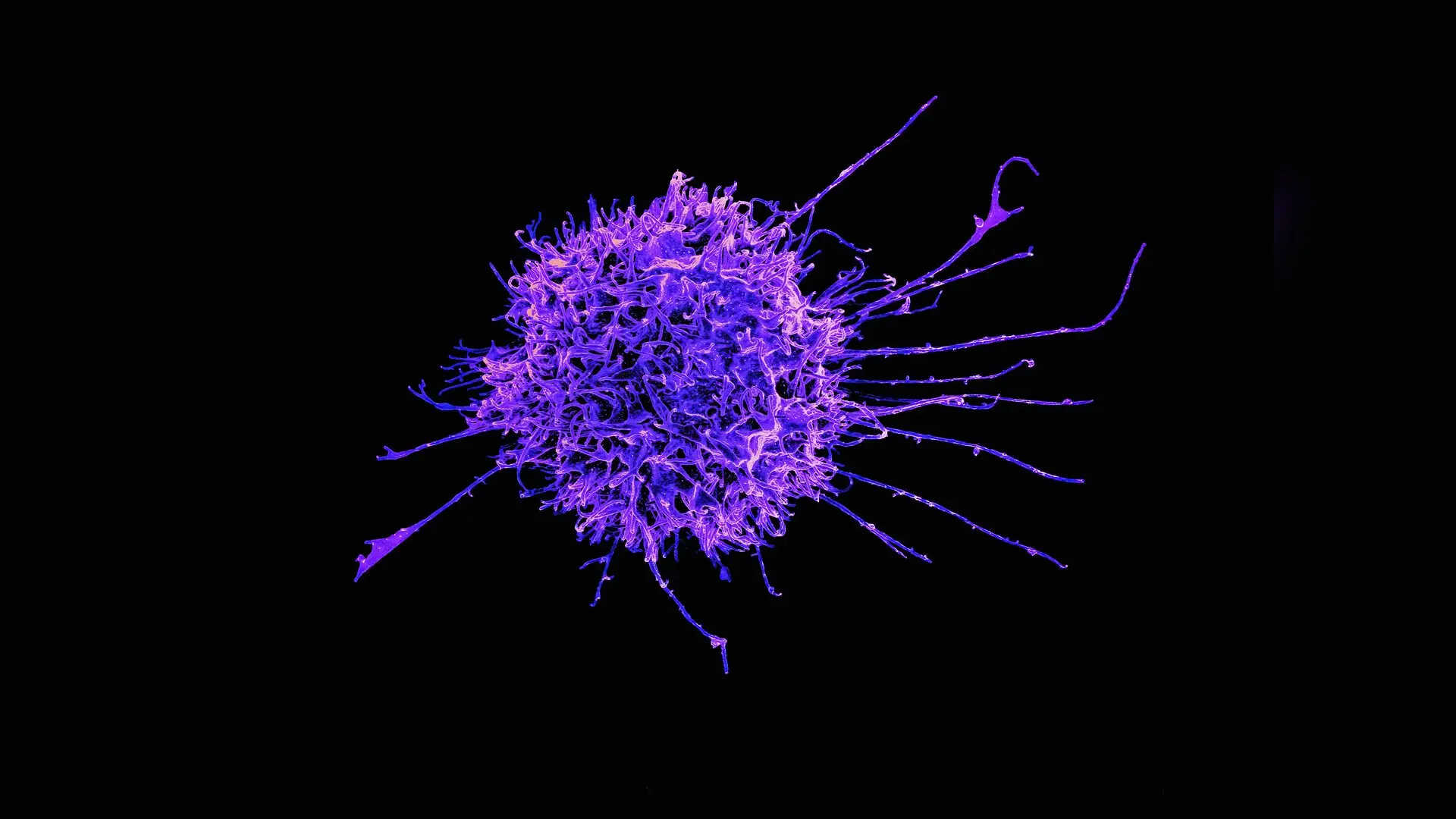
Engineered viruses are shifting from simple disease-causing agents into programmable intelligent therapeutics that can sense and destroy malignant cells while coordinating a lasting immune defense. For decades, modern biomedicine viewed viral particles primarily through the lens of pathology, focusing on how they invade, replicate, and damage healthy tissue. Gene therapy began reversing this narrative by repurposing viral shells as passive delivery vehicles for therapeutic genes while stripping away harmful traits. Now, the convergence of virology and synthetic biology is taking a transformative second step. Researchers are rewriting viral genomes, capsids, regulatory elements, and therapeutic payloads to execute conditional logic programs inside the human body. This comprehensive shift encompasses diverse platforms, from oncolytic viruses designed to lyse tumors to adeno-associated virus and lentiviral vectors engineered for precise gene delivery and in vivo cell programming.
How Modular Genetic Design Transforms Viral Architecture
Synthetic biology makes the redesign of viral systems increasingly modular, allowing scientists to assemble genomes, swap promoters, and screen novel variants. A study published in RSC Advances examines how these engineered backbones can achieve tumor selectivity across multiple vector classes. Natural viral tropism, shaped by millions of years of evolution, rarely matches the complex genetic and spatial diversity of advanced human cancer. Consequently, modern bioengineers apply rational design and directed evolution to control entry, tissue distribution, and safety profiles.
Tumor-selective promoters restrict vital gene expression or therapeutic payloads to transcriptional states enriched in cancer cells. For example, promoters driven by telomerase reverse transcriptase, survivin, or hypoxia-responsive elements ensure that activity lights up only within the hostile environment of a tumor. Additionally, microRNA response elements add a vital post-transcriptional safety layer. Researchers can insert target sequences for microRNAs that are abundant in normal tissues but missing in cancer cells into essential viral transcripts, allowing healthy organs to shut down the virus while malignant cells permit replication.
Armed Therapeutics Turn Cold Tumors Hot
Many solid tumors remain clinically cold, meaning they lack functional T cells and deploy robust immunosuppressive barriers against the immune system. Oncolytic viruses address this challenge by combining direct cell lysis with the local release of immunostimulatory payloads. When an engineered virus infects and destroys a cancer cell, it exposes tumor-associated antigens and danger signals, effectively turning the tumor into an in situ vaccine. To amplify this effect, modern constructs carry genes for powerful cytokines, chemokines, and bispecific T-cell engagers.
Clinical candidates such as T3011, an oncolytic herpes simplex virus expressing interleukin-12 and a programmed cell death protein 1 antibody, illustrate the potential of arming viral vectors. In advanced solid tumor trials, this combination promoted cellular immunity and prevented immune exhaustion locally. However, maintaining a wide therapeutic window remains challenging because excessive immune stimulation can trigger severe toxicity, requiring precise local delivery and controlled expression kinetics.
Overcoming Pre-Existing Immunity and Systemic Barriers
A major hurdle for viral therapeutics is the presence of pre-existing antibodies in human populations, which can neutralize incoming particles before they ever reach a tumor. Depending on the serotype, roughly 30 to 80 percent of adults carry antibodies against common viral vectors due to prior natural infections. To bypass this immune clearance, researchers are developing serodivergent capsids derived from non-mammalian dependoparvoviruses, such as Muscovy-duck-isolated variants that are antigenically distinct from human serotypes.
Furthermore, systemic administration exposes naked viral particles to hepatic clearance, complement activation, and macrophage uptake. Innovative delivery strategies incorporate cellular carriers like mesenchymal stem cells, polymeric nanoparticles, or biomimetic coatings to shield the payload during transit. These protective strategies help guide the therapeutic agent toward inflammatory signals and deep tumor compartments, improving overall delivery efficiency without sacrificing safety.
The Path Forward for Programmable Therapeutics
The future of programmable viral therapeutics relies on integrating layered architectures that unite tissue-specific entry, logical safety filters, and controlled payload delivery. While preclinical models often fail to capture the full complexity of human tumor microenvironments and immune responses, early clinical trials continue to refine these platforms. By transforming viruses into smart biological computers, this emerging field opens unprecedented avenues for treating previously intractable cancers.
The research was published in RSC advances on November 9, 2026.
This article has been fact checked for accuracy, with information verified against reputable sources. Learn more about us and our editorial process.
Last reviewed on .
Article history
- Latest version
Reference(s)
- Alsharedeh, Rawan H.., et al. “The synthetic biology frontier: engineered oncolytic viruses and viral vectors for next-generation cancer therapy and gene delivery.” RSC Advances, January 1, 2026 Royal Society of Chemistry (RSC), doi: 10.1039/d6ra09938f. <https://doi.org/10.1039/d6ra09938f>.
- Posted by Robert Brown