Engineered Microbes Are Entering Consumer Products Without Federal Safety Reviews
Legacy regulations and shifting marketing claims allow living genetically engineered microorganisms to bypass pre-market oversight.
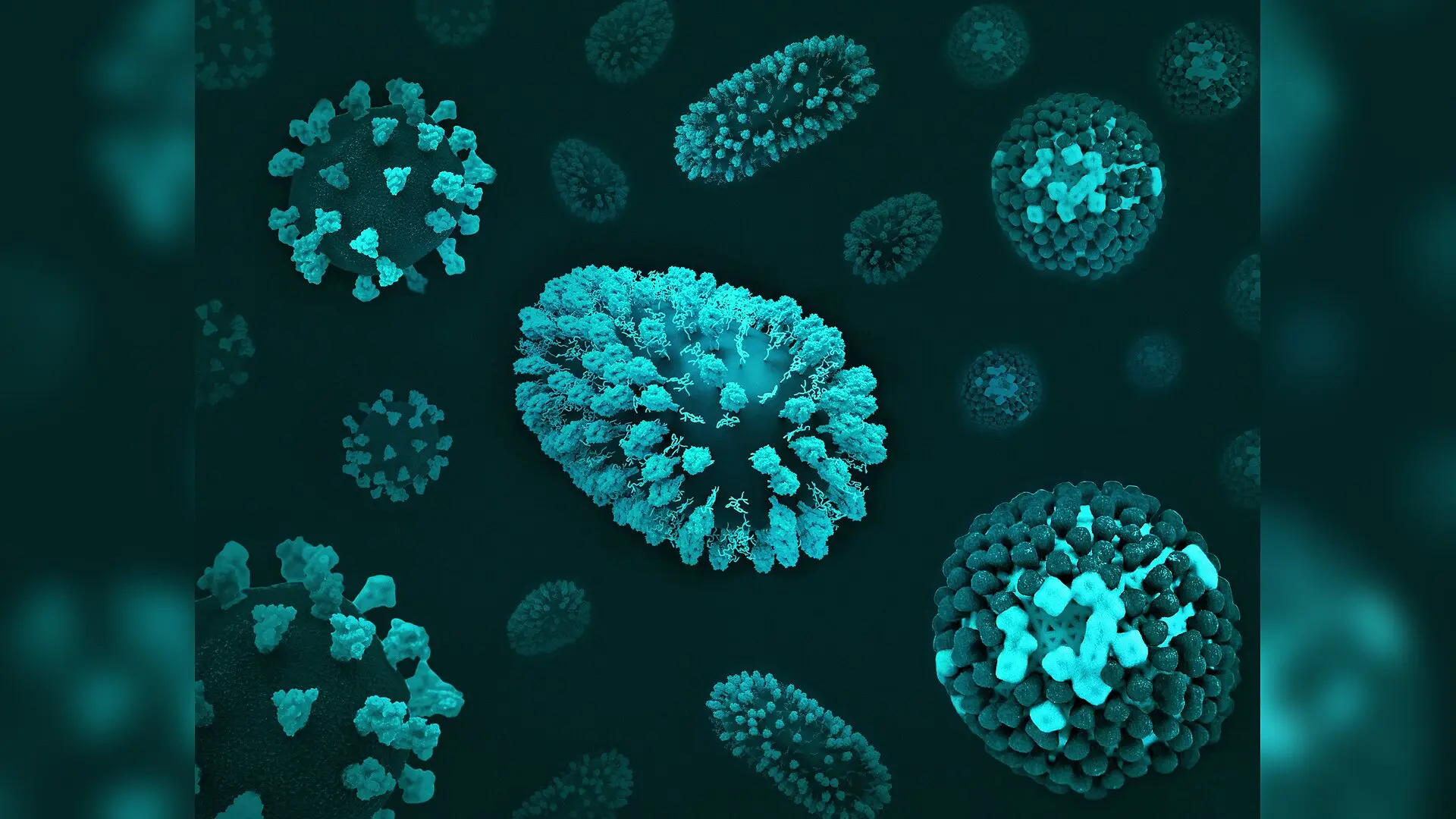
Genetically engineered microbes are stepping out of laboratory containment and into open environments and consumer products, raising questions about whether current oversight can keep pace with synthetic biology. Because many federal rules rely on legacy statutes written for static chemical products rather than living, reproducing organisms, several commercial products have reached the market without pre-market federal safety reviews.
How Loophole Marketing Lets Engineered Organisms Bypass Scrutiny
For four decades, the United States Coordinated Framework for the Regulation of Biotechnology has divided oversight among federal agencies based primarily on a product’s intended use and the source of its genetic material. However, companies have successfully navigated regulatory gaps by altering marketing claims or relying on definitions that exclude certain types of genetic modifications. As discussed in research published in Frontiers in Genetics, this product-based approach creates significant blind spots when living microorganisms are deployed across millions of acres or sold directly to consumers.
One prominent example involves a soil-inoculant product called PROVEN 40, developed by Pivot Bio to help crops like corn fix atmospheric nitrogen and reduce chemical fertilizer dependence. The product utilizes engineered strains of bacteria isolated from maize roots, with endogenous genes modified using CRISPR gene editing to ensure continuous nitrogen fixation throughout the plant lifecycle. Because these modifications used genes from the same genus rather than foreign DNA from different species, the bacteria are classified as intrageneric rather than intergeneric. Consequently, the product fell outside the Environmental Protection Agency jurisdiction under the Toxic Substances Control Act, requiring no mandatory federal pre-market safety review.
While the manufacturer conducted internal safety assessments, including a 15-day rat inhalation study indicating no acute toxicity or pathogenicity, independent experts point out that the bacteria belong to a species increasingly recognized as an opportunistic human pathogen in hospital settings. With millions of acres treated across the United States, the lack of mandatory environmental monitoring or long-term ecological tracking highlights potential vulnerabilities in current agricultural oversight.
Changing Marketing Claims to Avoid Medical Regulations
Another case involves consumer products designed to alter human microbiomes without undergoing clinical drug trials. A probiotic dental treatment originally developed to prevent tooth decay by replacing native bacteria with an engineered strain producing alcohol instead of lactic acid spent nearly two decades navigating the Food and Drug Administration drug approval process. Facing stringent clinical trial requirements and concerns over permanent oral colonization and bacterial transmission, the original developers eventually halted the trials.
A subsequent company acquired the technology and altered its marketing strategy, removing disease-prevention claims and repositioning the product as a cosmetic designed to rebalance oral pH and freshen the breath. Under federal law, cosmetics do not require pre-market approval, allowing the living engineered microorganism to enter consumer distribution without undergoing the rigorous safety and efficacy trials originally mandated for a medical intervention.
Similarly, an engineered bacterial strain designed to break down alcohol byproducts in the gut and marketed to reduce hangover symptoms bypassed rigorous drug evaluation by utilizing a self-affirmed generally recognized as safe food ingredient pathway. Although the manufacturer performed a 90-day rat toxicity study and published the findings, self-determination of safety does not require notification to or review by federal regulators.
What Happens Next for Synthetic Biology Governance
The challenges identified in these commercial applications suggest that oversight frameworks need structural modernization to address the unique properties of living microorganisms. Unlike chemical additives or drugs, engineered microbes can reproduce, persist in the environment, transfer genetic material to other species, and interact dynamically with host microbiomes. Experts recommend implementing a unified federal notification portal, revising environmental rules to evaluate biological characteristics rather than taxonomic origin, and requiring independent safety evaluations.
As advanced techniques in synthetic biology and xenobiology create organisms with non-traditional genetic codes and complex architectures, closing these regulatory gaps will be essential to ensure safety while supporting responsible technological innovation.
The research was published in Frontiers in genetics on November 11, 2026.
This article has been fact checked for accuracy, with information verified against reputable sources. Learn more about us and our editorial process.
Last reviewed on .
Article history
- Latest version
Cite this page:
- Posted by Rohan Kumar