Power Shutoffs and Wildfire Smoke Combine to Drive Dangerous Respiratory Emergencies
A large-scale epidemiological study reveals that severe preemptive blackouts significantly increase emergency hospital visits for chronic lung patients.
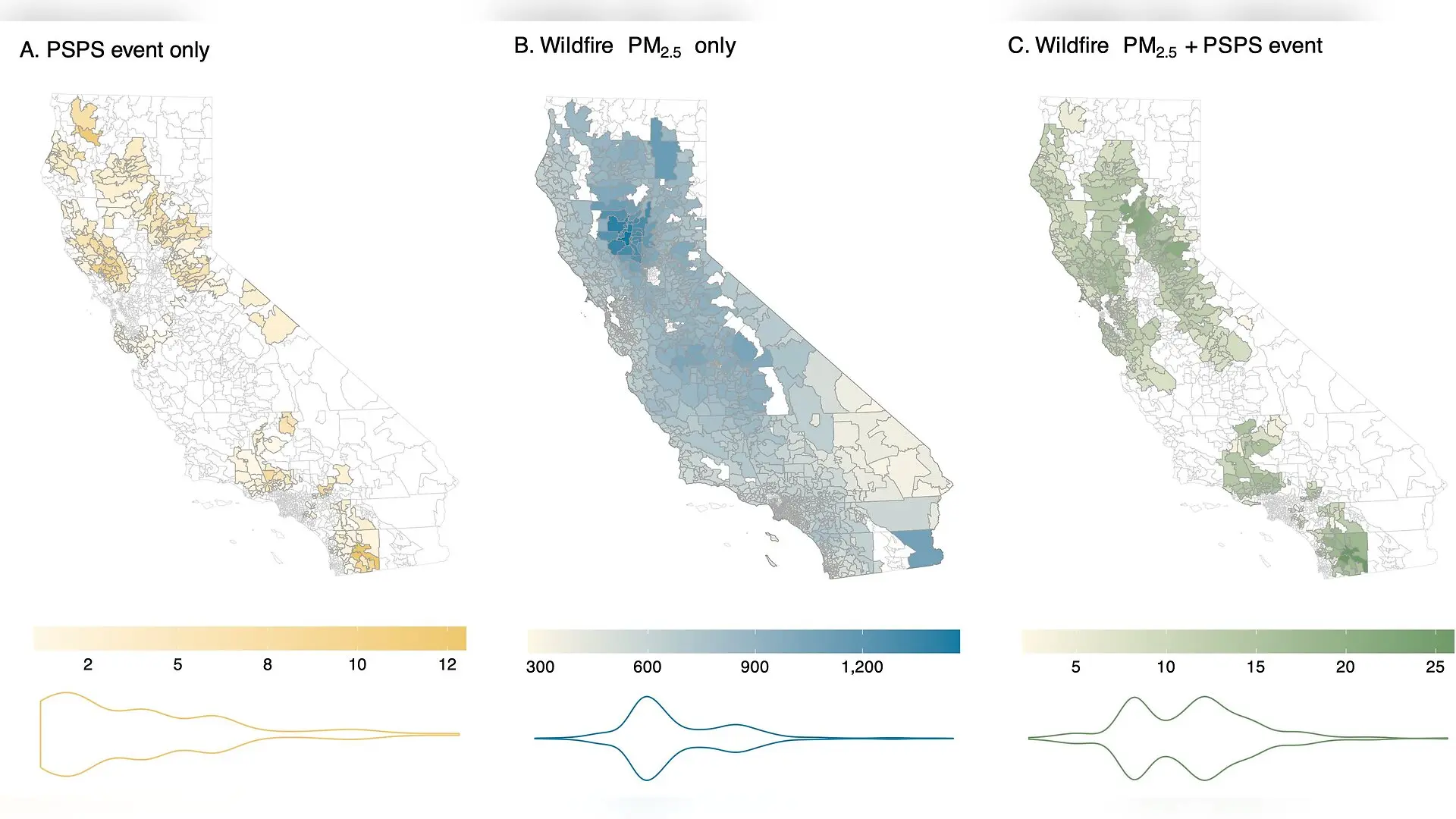
When electric utilities intentionally cut power to prevent catastrophic fires, vulnerable residents face an unexpected health crisis, particularly when toxic wildfire smoke fills the air at the same time. Researchers examining seven years of medical records across California discovered that severe preemptive blackouts significantly drive up emergency room visits and hospital admissions for respiratory illnesses, with individuals suffering from chronic lung conditions facing the steepest risks.
The study, published in PLOS Medicine, analyzed public safety power shutoffs and fine particulate matter exposure from 2013 to 2019 among adults aged 20 years and older. While shutting off electricity is a vital strategy to stop power lines from sparking devastating blazes during high winds and dry conditions, the cascading consequences of losing power pose serious health hazards. When the grid goes down, households lose the ability to run air filtration systems, air conditioners, and life-saving medical devices such as oxygen concentrators.
Why Preemptive Blackouts Trigger Breathing Emergencies
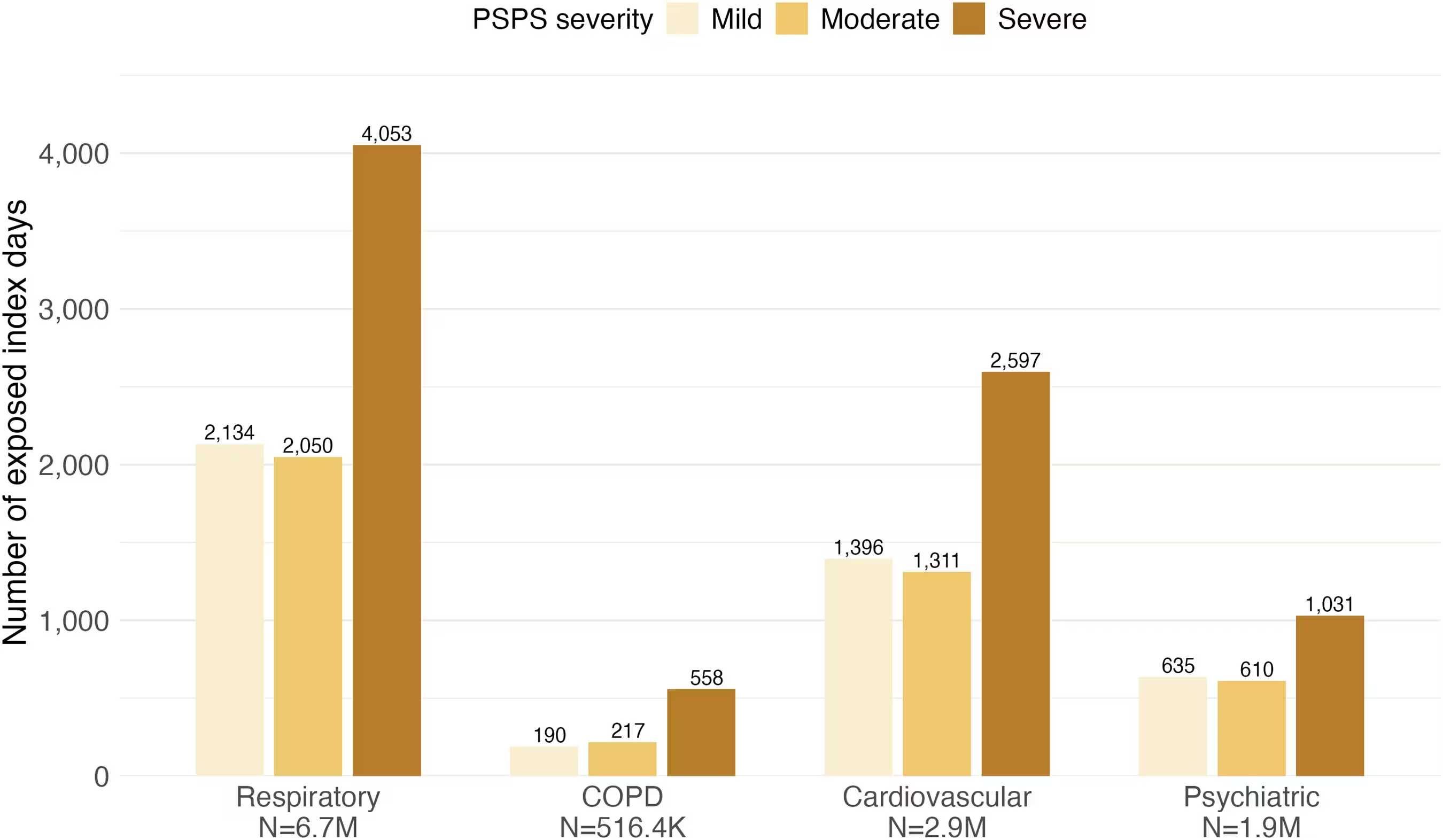
The research team focused on four major categories of acute healthcare utilization, including all-cause respiratory issues, chronic obstructive pulmonary disease, cardiovascular events, and psychiatric conditions. By cross-referencing millions of emergency department visits and unplanned hospital admissions with zip code-level blackout data and machine learning estimates of wildfire smoke, the investigators mapped out the distinct and combined dangers of these climate-driven hazards.
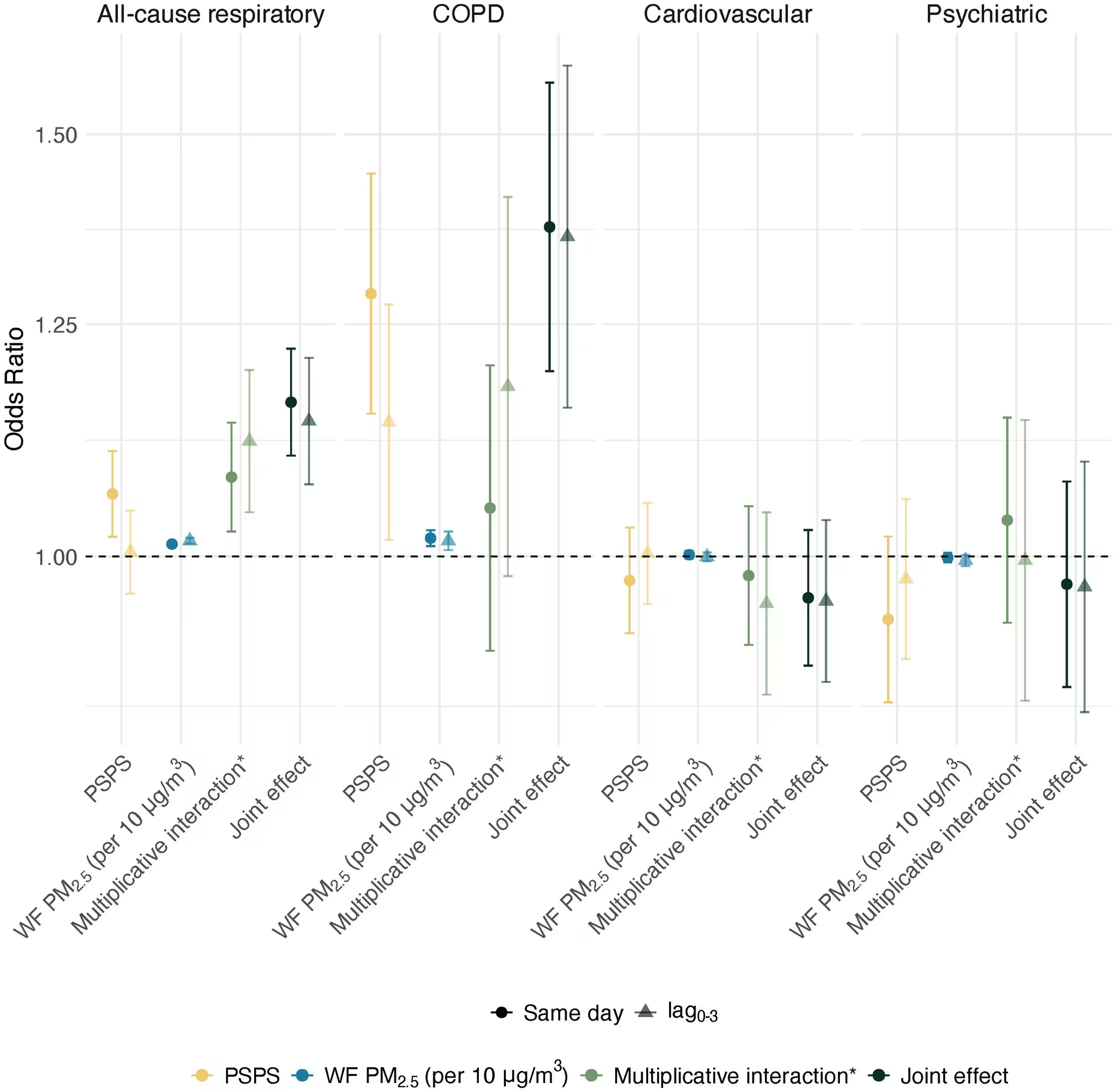
The findings indicate that severe power shutoffs affecting more than 593 customers in a zip code were associated with a 6 percent increase in same-day emergency visits and hospitalizations for all-cause respiratory problems, even without wildfire smoke present. For patients managing chronic obstructive pulmonary disease, a progressive lung disease that makes breathing difficult, the danger was substantially higher. Individuals exposed to a severe blackout faced a 29 percent increase in same-day emergency healthcare encounters.
The Compound Danger of Smoke and Darkness
The health risks escalated further when power shutoffs and wildfire smoke occurred simultaneously. The authors evaluated the joint effects of these co-occurring hazards and found that a severe blackout coinciding with elevated levels of fine particulate matter created a synergistic threat to the respiratory system. For chronic obstructive pulmonary disease patients, the combination of a severe power outage and smoke exposure resulted in a 37 percent higher odds of seeking emergency medical care.
Many individuals with chronic lung diseases rely heavily on electricity-dependent medical equipment, such as home oxygen concentrators that often feature backup batteries lasting only three to four hours. When a blackout extends past those critical hours, patients quickly lose their primary respiratory support while simultaneously being exposed to degraded indoor air quality if smoke filters fail. Older adults aged 65 and older exhibited the strongest vulnerability to these combined pressures.
Understanding the Limits of the Study
The study utilized a case-crossover design, meaning each patient served as their own control across time by comparing their exposure status on the day of their medical emergency against matched control days in the same calendar month. This methodological approach effectively controls for seasonal trends and day-of-week variations, while daily maximum temperature was also accounted for in the statistical models to prevent heat-related bias.
Despite these robust controls, the authors noted several limitations in their observational work. The researchers relied on utility circuit data and assumed that affected customers were evenly distributed across zip codes, which could introduce some exposure misclassification if individuals traveled or if population densities varied unevenly across a circuit. Additionally, the analysis grouped emergency department visits with hospital admissions and focused strictly on individuals aged 20 and older, leaving potential impacts on children and out-of-hospital mortality unmeasured.
As climate change drives higher temperatures and more frequent droughts across the Western United States, utilities in states beyond California are increasingly adopting preemptive power shutoffs to manage wildfire risks. The authors emphasize that as the population ages and reliance on electricity-dependent medical equipment grows, emergency planners and utility companies must coordinate more closely with healthcare systems to protect vulnerable patients from the compounding dangers of blackouts and smoke.
The research was published in PLOS Medicine on October 27, 2026.
This article has been fact checked for accuracy, with information verified against reputable sources. Learn more about us and our editorial process.
Last reviewed on .
Article history
- Latest version
Reference(s)
- Wilner, Lauren Blair., et al. “Co-exposure to planned power outages and wildfire PM2.5 and acute healthcare utilization in California: A time-stratified case-crossover study.” PLOS Medicine, vol. 23, no. 10, October 27, 2026, pp. e1005270 Public Library of Science (PLoS), doi: 10.1371/journal.pmed.1005270. <https://doi.org/10.1371/journal.pmed.1005270>.
Cite this page:
- Posted by Robert Brown