Toddler With Metastatic Liver Cancer Declared Cancer-Free After Experimental Cell Therapy
A three-year-old boy remains cancer-free a year after receiving a breakthrough experimental cell therapy for metastatic liver cancer.
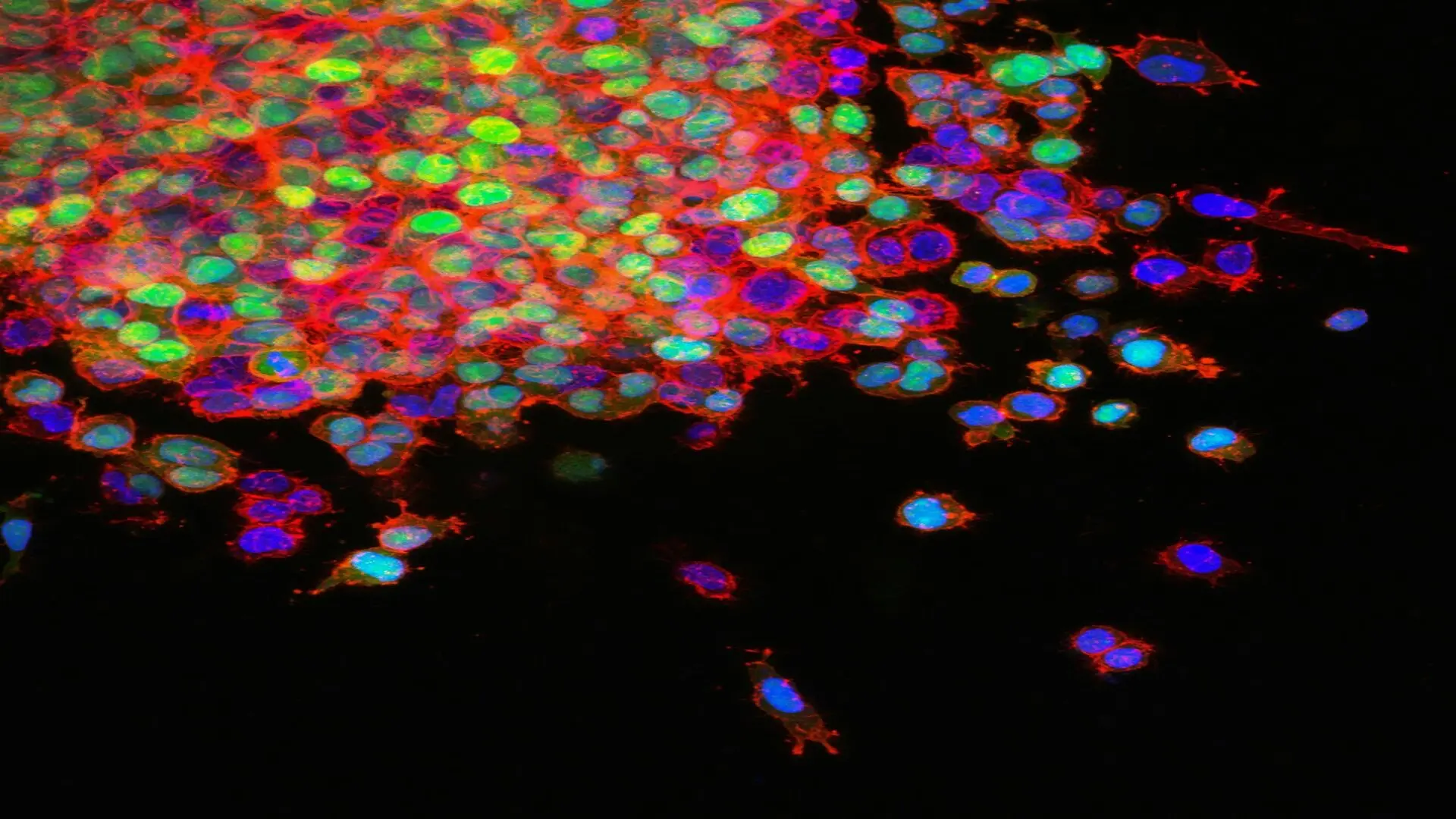
A three-year-old child diagnosed with aggressive, metastatic liver cancer has achieved complete remission following a novel experimental treatment. After conventional surgeries and chemotherapy failed to halt the progression of his disease, the toddler underwent an experimental CAR T cell therapy trial, resulting in a cancer-free status that has now been maintained for over a year.
The patient initially presented with a tumor the size of an orange on his liver, which had subsequently spread to his lungs. Researchers at Baylor College of Medicine and Texas Children’s Hospital designed the specialized immune therapy to overcome the unique obstacles posed by solid tumors, which have historically been resistant to standard CAR T approaches. The findings, published this month in the New England Journal of Medicine, highlight a potential breakthrough in pediatric oncology.
Engineering Immune Cells for Solid Tumors
While CAR T cell therapy has revolutionized the treatment of various blood cancers by training the body’s own immune system to identify and attack malignant cells, its efficacy in treating solid masses has been limited. Unlike blood cancers, solid tumors often exist within hostile environments that suppress immune activity and create physical barriers that prevent immune cells from reaching their targets. Furthermore, these tumors frequently utilize multiple antigens to evade detection.
To address these challenges, the research team utilized immune cells engineered to target a specific protein known as glypican-3 (GPC3), which is highly expressed in hepatoblastoma cells but largely absent in healthy tissue. Beyond targeting GPC3, the team modified these T cells to produce IL-15 and IL-21, cytokines that enhance the longevity and proliferative capacity of the cells once they enter the patient’s system. The therapy also included a genetic “kill switch,” allowing clinicians to deactivate the cells if they triggered an adverse immune response.
Clinical Results and Future Outlook
The boy received two separate infusions of his own genetically reprogrammed cells, spaced eight weeks apart, entirely in an outpatient setting. Medical imaging confirmed a partial regression after the initial dose, followed by a total disappearance of tumors in both the liver and lungs after the second. Notably, the patient avoided the severe systemic toxicity often associated with such potent therapies.
“This marks a durable, 12-month disease-free status,” the researchers noted in their report. David Steffin of Texas Children’s Hospital emphasized that achieving such a response in a chemotherapy-resistant solid tumor without major toxicity represents a significant clinical milestone.
While the results in this single case are encouraging, the research team stresses the necessity of broader clinical trials to confirm these benefits across a larger cohort. The ongoing study is currently actively recruiting pediatric and young adult participants to determine if this “Gen 2.0” approach can offer a standardized path forward for patients facing complex solid-tumor cancers. With liver cancer ranking as the third leading cause of cancer-related mortality globally, this development offers a vital new avenue for therapeutic intervention.
This article has been fact checked for accuracy, with information verified against reputable sources. Learn more about us and our editorial process.
Last reviewed on .
Article history
- Latest version
Reference(s)
- “ClinicalTrials.gov.” <https://clinicaltrials.gov/study/NCT04715191?term=CARE,%20NCT04715191&intr=CAR%20T%20Cells&viewType=Card&rank=1>.
- Steffin, David., et al. “Complete Regression of Hepatoblastoma after Interleukin-15– and Interleukin-21–Coexpressing CAR T-Cell Therapy.” New England Journal of Medicine, vol. 395, no. 10, September 10, 2026, pp. 1029-1032. Massachusetts Medical Society, doi: 10.1056/NEJMc2605958. <https://www.nejm.org/doi/full/10.1056/NEJMc2605958>.
- Bray, Freddie., et al. “Global cancer statistics 2022: GLOBOCAN estimates of incidence and mortality worldwide for 36 cancers in 185 countries.” CA: A Cancer Journal for Clinicians, vol. 74, no. 3, April 4, 2024, pp. 229-263. Wiley, doi: 10.3322/caac.21834. <https://acsjournals.onlinelibrary.wiley.com/doi/10.3322/caac.21834>.
Cite this page:
- Posted by Rohan Kumar