Common Nutrient In Red Meat And Supplements Linked To Hidden Inflammatory Trigger
A common nutrient found in red meat and fitness supplements may trigger chronic inflammation, raising concerns about its long-term health impact.
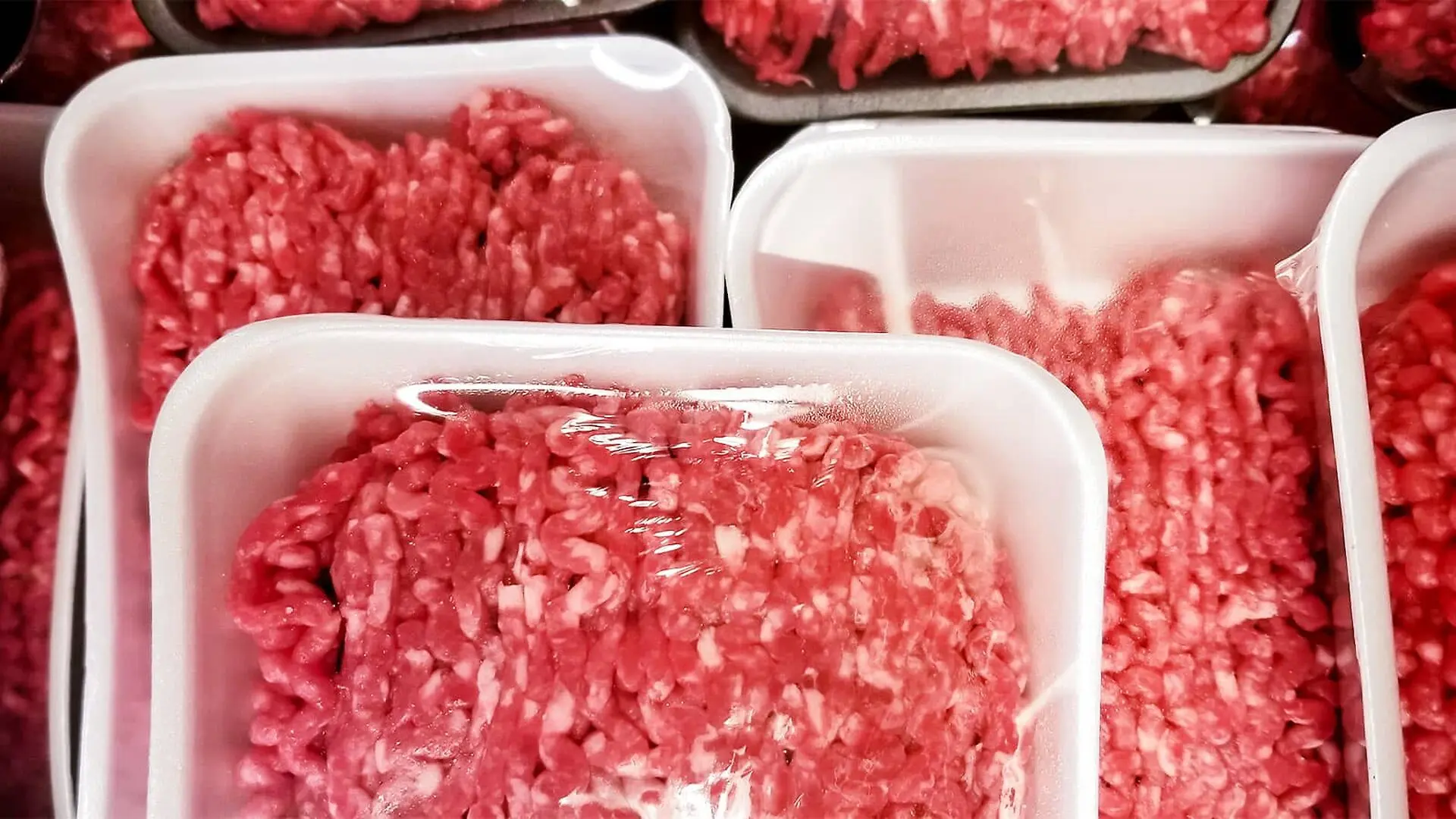
Commonly Used Exercise Supplement Linked to Unexpected Inflammatory Response
A new study from the Yale School of Medicine has identified a previously unknown biological pathway where L-carnitine—a nutrient found in red meat and popular as a weight-loss and exercise supplement—can exacerbate inflammation under specific conditions. While L-carnitine is naturally occurring and essential for transporting fats into mitochondria for energy, researchers found that it can trigger a harmful immune response during severe illness.
The discovery originated from an investigation into the metabolic complexities of sepsis, a condition where the body’s inflammatory reaction to infection often causes as much damage as the infection itself. In intensive care settings, sepsis remains a critical challenge, with mortality rates in some populations reaching 40 percent. Eric Elliott, an assistant professor of medicine and the study’s lead author, noted that advancements in treating the condition have stalled, moving little beyond standard protocols for fluids, antibiotics, and blood pressure support.
During their research, the team observed that blood levels of L-carnitine dropped significantly in mice exposed to lipopolysaccharide (LPS), a bacterial component used to simulate the inflammatory profile of sepsis. Initially, the researchers hypothesized that replenishing the nutrient would improve survival rates. Instead, the results were counterintuitive: the mice treated with L-carnitine fared significantly worse.
Further analysis of human and mouse immune cells revealed that L-carnitine activates the pyrin inflammasome, a critical component of the body’s innate immune system. This activation triggers an inflammatory cascade involving the signaling molecule IL-17, which ultimately increased mortality in the study subjects. The team believes this pathway may explain why immune cells in certain contexts interpret L-carnitine as a danger signal.
The implications of the research extend beyond sepsis. Senior author Andrew Wang, an associate professor of medicine and immunobiology, suggested that this mechanism might play a role in other conditions where skeletal muscle is damaged, such as rhabdomyolysis. In this scenario, damaged muscle releases L-carnitine into the bloodstream, potentially provoking a secondary inflammatory reaction. The team is now looking into whether this pathway contributes to chronic inflammatory diseases, including cardiovascular issues, inflammatory bowel disease, and certain cancers.
While the study provides a clearer picture of how L-carnitine interacts with the immune system, the researchers urge caution in interpreting the findings regarding diet and supplements. The study focused on the isolated molecule rather than complex food sources like red meat.
“We did not study red meat as a whole, and carnitine by itself did not induce inflammation,” Elliott explained. “A substantial background of inflammation was required, and we do not yet know what inflammatory context might produce this effect in people. We cannot say that carnitine supplementation or heavy red meat consumption is always harmful.”
The research underscores a growing movement in medicine to move beyond broad dietary advice toward a more nuanced understanding of how specific nutrients interact with an individual’s unique health status. Wang emphasized the need for a more precise, scientific approach to nutrition.
“Food science currently exists in the realm of phenomenology,” Wang said. “I think that a deep understanding of all the elements that make up food, akin to a periodic table, will be required to understand what makes a ‘good’ or ‘bad’ diet for a particular individual in a particular health state.”
The study was supported by the National Institutes of Health, the Yale University School of Medicine, and several research foundations, including the Food Allergy Science Initiative and the Chan Zuckerberg Institute.
This article has been fact checked for accuracy, with information verified against reputable sources. Learn more about us and our editorial process.
Last reviewed on .
Article history
- Latest version
Cite this page:
- Posted by Rohan Kumar