Mental Distress Triples Uncertainty Over Birth Control Choices
New research shows anxiety and depression leave young college students more likely to miss out on their preferred birth control methods.
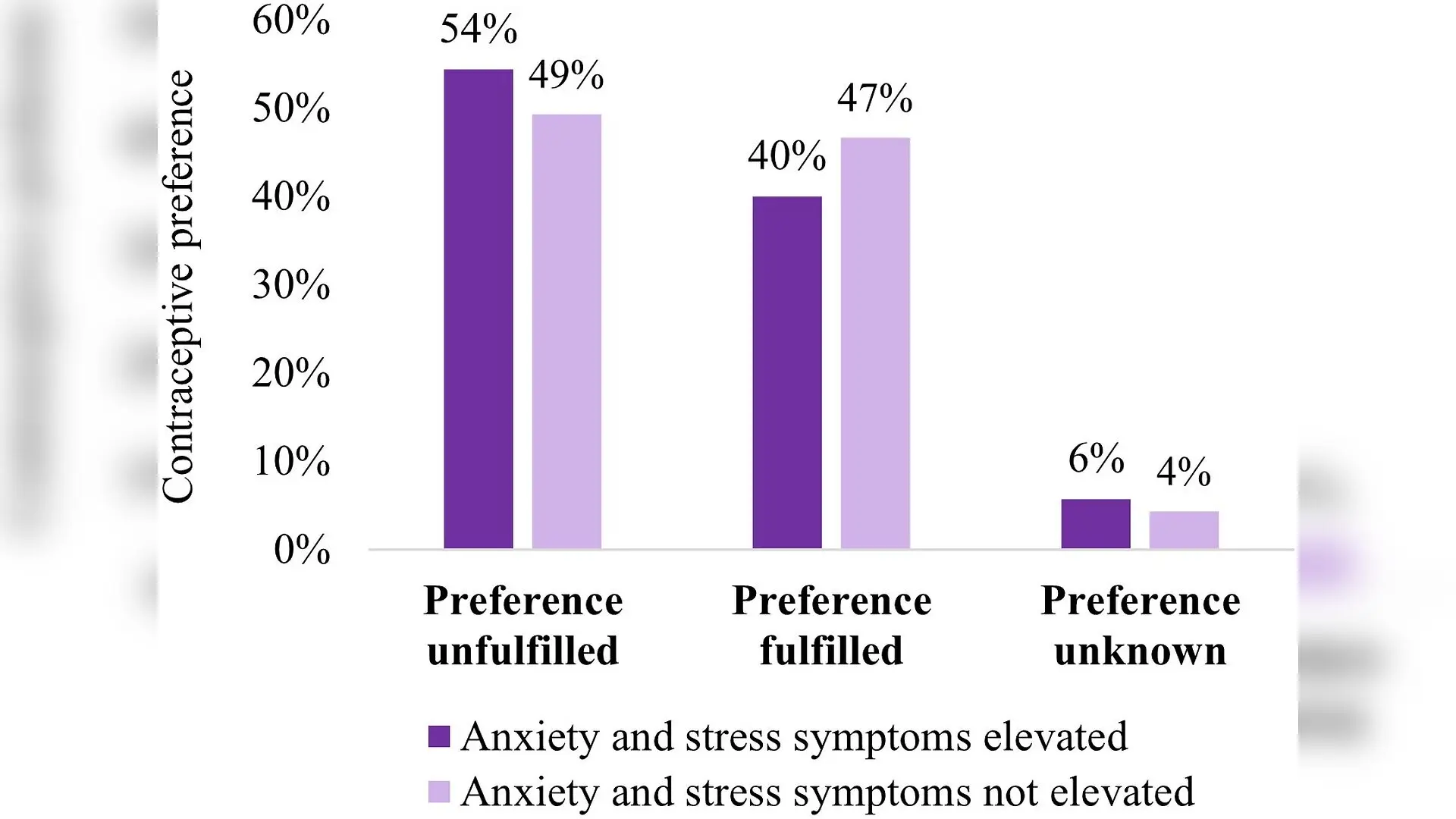
Young adults facing high levels of anxiety and depression are significantly more likely to miss out on the birth control methods they actually want to use, according to a study tracking thousands of students. Researchers found that mental distress creates distinct hurdles that prevent young people from achieving reproductive autonomy, highlighting a hidden barrier within student health systems.
How Mental Distress Disrupts Birth Control Choices
The study analyzed baseline information from 2,065 sexually active, first-year community college students aged 18 to 25 across California and Texas. Investigators utilized data gathered between April 2018 and May 2023 to explore whether symptoms of depression, anxiety, and stress correlated with having unfulfilled contraceptive preferences. The authors published their findings published in PLOS One, noting that over half of the student participants had unfulfilled contraceptive preferences, meaning they were not using the specific birth control method they desired.
When researchers adjusted for sociodemographic factors, elevated depressive symptoms raised the relative risk of having an unfulfilled contraceptive preference by 31 percent. Elevated anxiety and stress symptoms similarly increased the risk of unfulfilled preferences by 31 percent. Furthermore, students reporting high depressive symptoms were nearly three times as likely to state they simply did not know what birth control method they preferred.
Financial Hurdles and Side Effect Fears
Digging into the reasons behind these gaps, the team discovered that students experiencing mental distress faced unique obstacles in navigating healthcare systems. Overall, the most common system-level barriers cited were general clinic or method access, affecting up to 54 percent of students, followed closely by cost and insurance complications. Students with elevated depressive or anxiety symptoms were significantly more likely to report cost and insurance barriers than their peers without elevated symptoms.
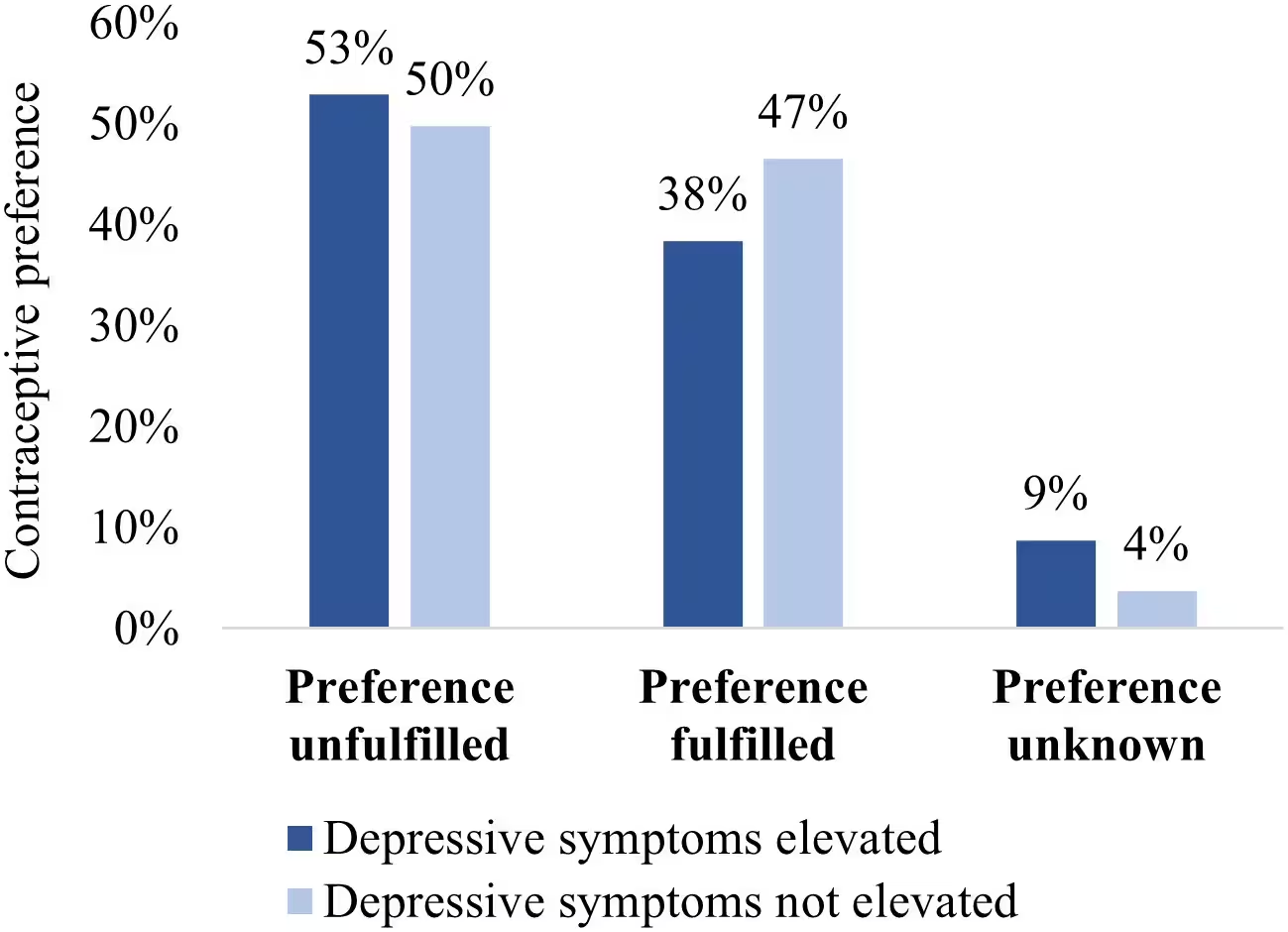
Additionally, students experiencing elevated anxiety and stress reported significantly higher concerns regarding potential side effects from birth control. About 15 percent of students with high anxiety and stress cited side effect worries as a reason for not using their preferred method, compared to 9 percent of other students. These worries included both past unpleasant experiences and general anxiety over potential weight changes or physical reactions.
The Importance of Integrated Student Healthcare
Community college students frequently encounter structural inequities, food insecurity, and limited access to both mental and reproductive health resources. The authors point out that mental distress can disrupt multiple dimensions of healthcare access, such as the ability to perceive needs, seek care, reach facilities, and actively engage with medical providers. Low energy, motivational challenges, and the social stigma surrounding both mental health and reproductive care can compound these difficulties.
The study authors emphasize that reproductive health clinics and mental health services are traditionally siloed, yet reproductive health providers often serve as primary points of contact for young adults. Integrating mental health screenings into reproductive healthcare services could allow clinicians to better support students who struggle to articulate their preferences or navigate insurance hurdles. Expanding co-located support systems on community college campuses may help bridge these gaps and foster true reproductive autonomy for vulnerable student populations.
The research was published in PLOS One on November 11, 2026.
This article has been fact checked for accuracy, with information verified against reputable sources. Learn more about us and our editorial process.
Last reviewed on .
Article history
- Latest version
Reference(s)
- Hecht, Hannah K.., et al. “Depression, anxiety, and stress and fulfillment of contraceptive preferences among young people in Texas and California.” PLOS One, vol. 21, no. 11, November 11, 2026, pp. e0359942 Public Library of Science (PLoS), doi: 10.1371/journal.pone.0359942. <https://doi.org/10.1371/journal.pone.0359942>.
Cite this page:
- Posted by Rohan Kumar