The Mysterious Namib Desert Fairy Circles Are Still Dividing Scientists
New research reveals how termites, plant root competition, and scarce rainfall combine to explain the mysterious origin of Namibia’s famous fairy circles.
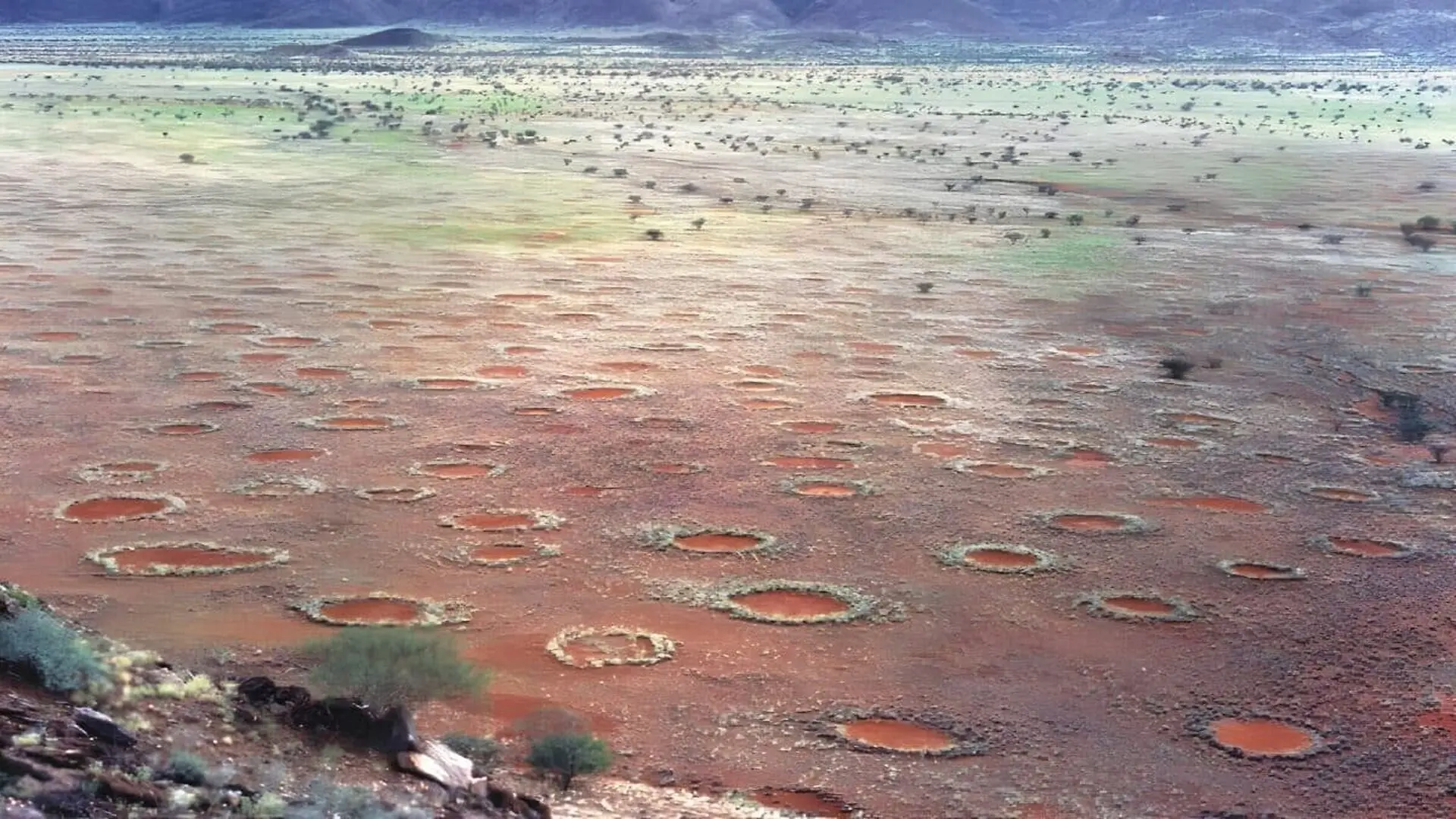
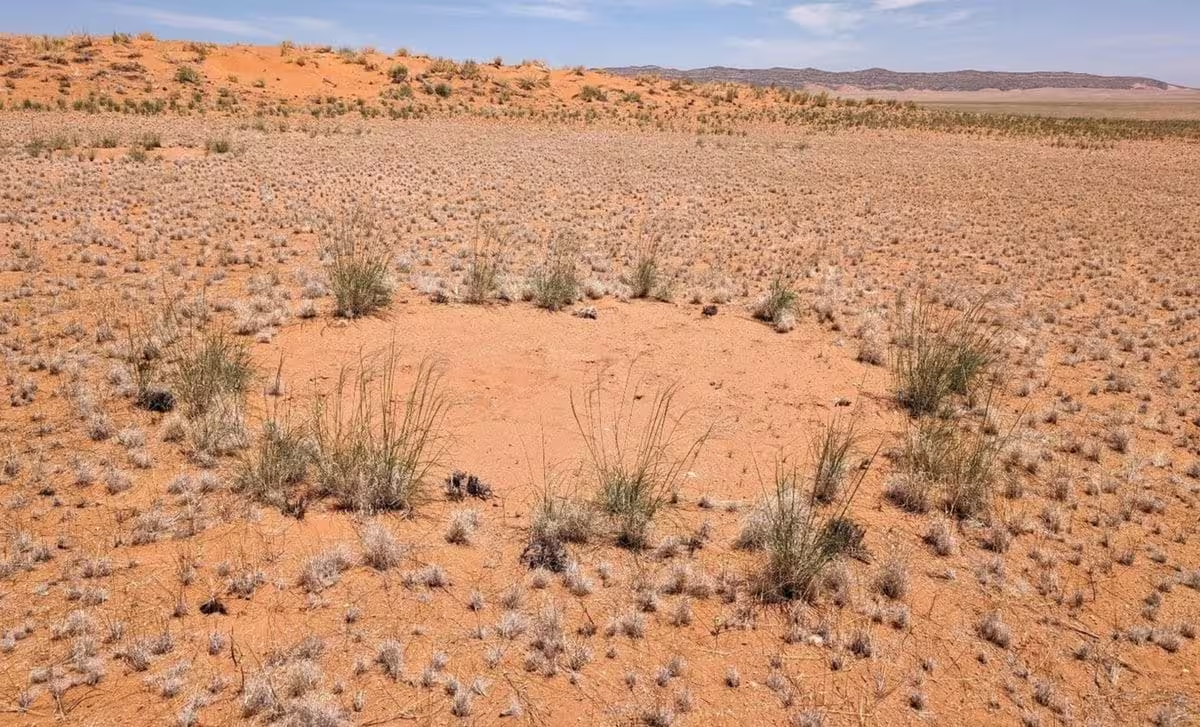
Across the arid stretches of the Namib Desert, a curious, repetitive pattern dots the landscape: thousands of circular, vegetation-free patches surrounded by rings of lush grass. These so-called fairy circles have baffled researchers for decades, serving as a focal point for an intense ecological debate over how nature manages survival in some of the most water-stressed environments on Earth.
The scientific impasse is largely defined by the contrasting perspectives of two prominent researchers, Norbert Jürgens of the University of Hamburg and Stephan Getzin. Their work has illuminated different facets of the phenomenon, yet recent soil analyses and shifts in climate data have only deepened the mystery, fueling a rigorous academic disagreement that remains unresolved.
The Case for Subterranean Engineers
Norbert Jürgens has long championed the theory that sand termites are the primary architects of the Namib’s landscape. His extensive research, which documented termite activity in more than 1,700 circles across Namibia, Angola, and South Africa, suggests that these insects systematically engineer their environment to create water-rich sanctuaries.
According to this hypothesis, termites excavate complex networks of galleries and consume the roots of encroaching grasses. By clearing the surface vegetation, the termites prevent plants from tapping into underground moisture, effectively turning the circular patches into protected reservoirs. Jürgens posits that the characteristic, near-geometric spacing of the circles is the result of competing termite colonies establishing and defending distinct territories, leading to the highly organized patterns observed from above.
Vegetation Self-Organization and Water Competition
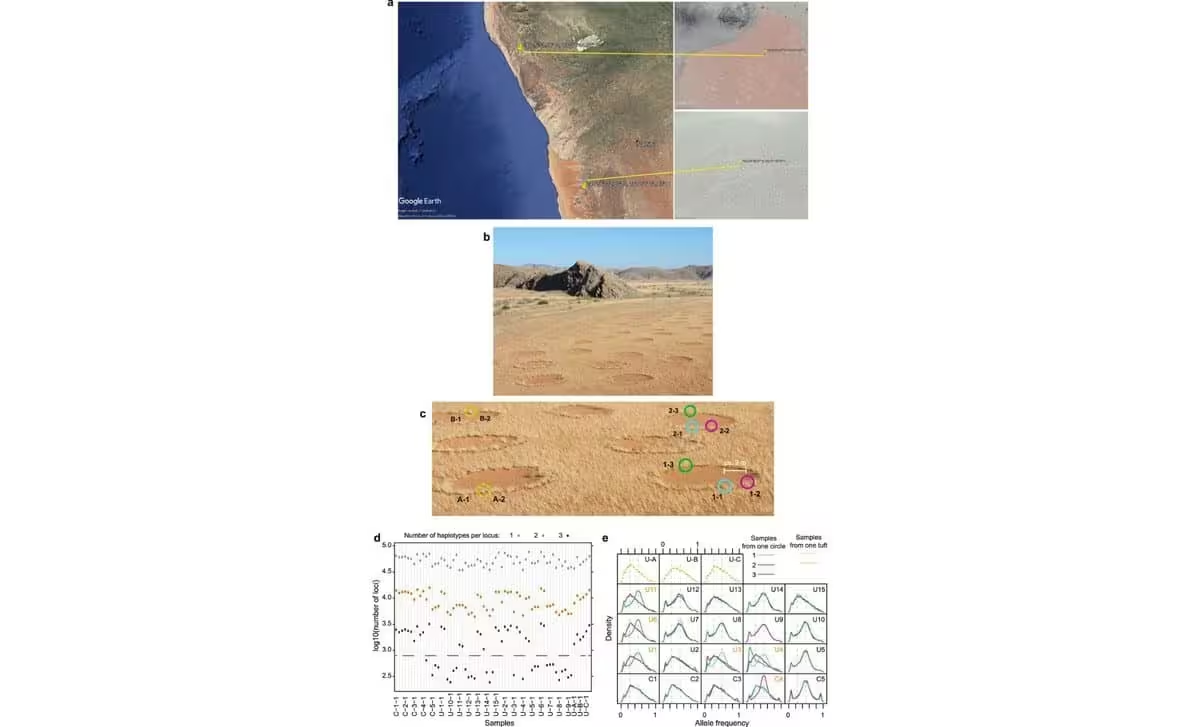
Conversely, Stephan Getzin argues that the circles are the byproduct of botanical competition rather than insect labor. In a 2022 study involving teams from Göttingen and Ben-Gurion University, Getzin’s team monitored 500 grass plants and observed that vegetation within the circles withered and died within 20 days of rainfall. This rapid die-off, he contends, occurs because the surrounding grasses aggressively extract water from the soil, starving the plants in the center.
This “self-organization” model removes the need for insects entirely, suggesting that the landscape is shaped by the plants’ own desperate, competitive need for limited hydration. Further complicating the picture, a 2025 study in PLOS ONE by Amy Treonis and colleagues found that the bare centers are largely devoid of soil life, though they did note a strange, localized abundance of bacteria-feeding nematodes. While this finding suggests biological activity is present, it stops short of confirming which mechanism, if any, is the sole driver of the circles.
Environmental Flux and Global Parallels
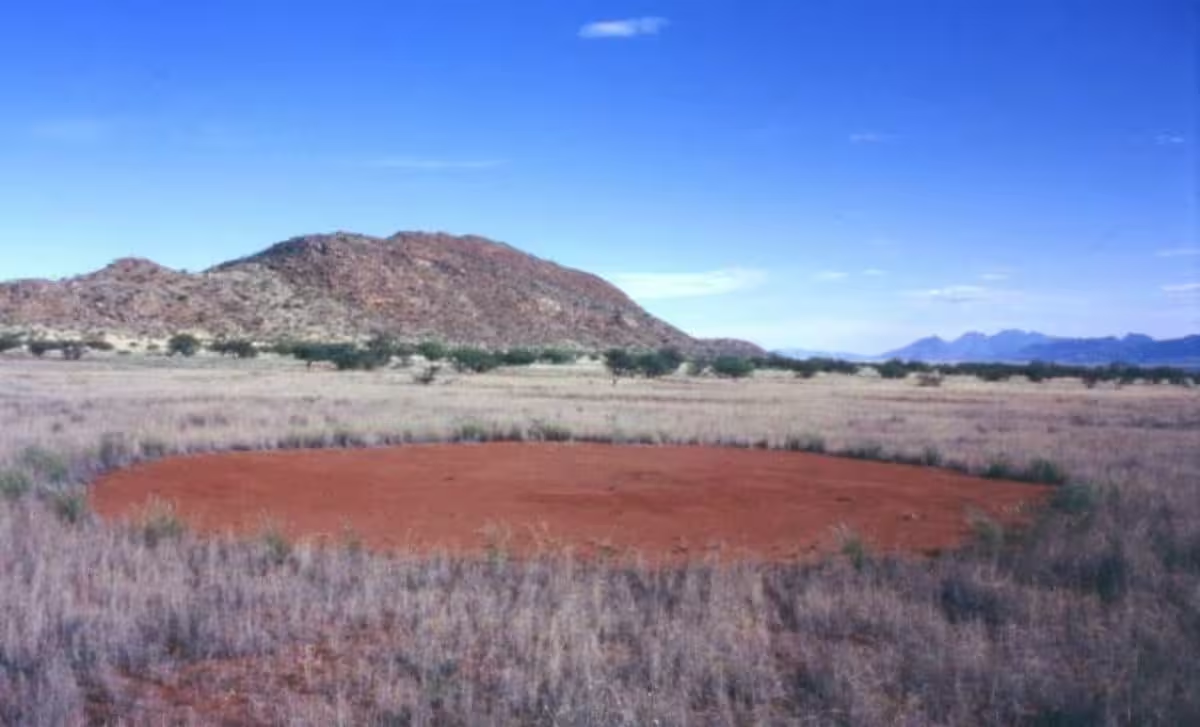
The persistence of these circles appears intrinsically linked to specific rainfall thresholds. They are predominantly found in areas receiving between 70 and 120 millimeters of annual precipitation, vanishing entirely where rainfall exceeds 150 millimeters. Recent observations have shown that these structures are dynamic; Getzin’s research in Landscape Ecology documented that heavy rainfall events can cause significant portions of the circles to close as vegetation reclaims the barren patches.
Some researchers now propose a hybrid model, suggesting that while termite colonies may influence the spatial arrangement of the circles, the competitive dynamics of grass roots might dictate the internal barren state. This multiscale approach acknowledges that different biological processes could operate simultaneously.
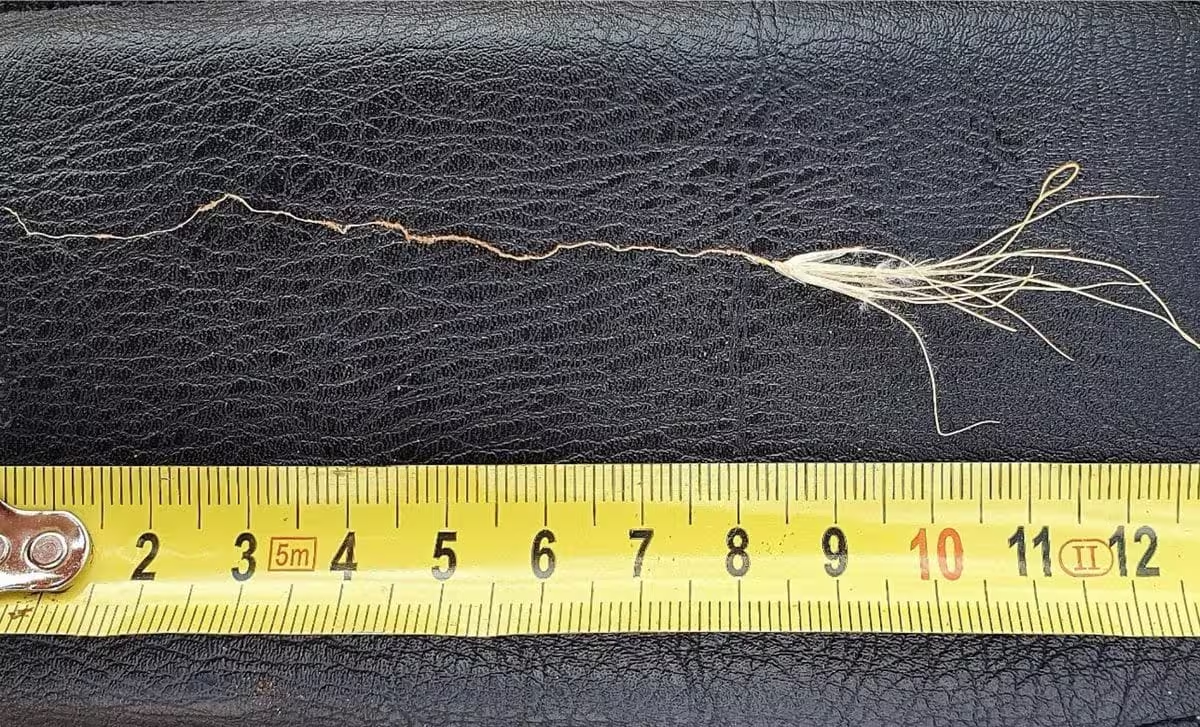
The intrigue has moved well beyond the Namib Desert. A 2023 study led by Emilio Guirado identified similar circular patterns in 263 arid regions across the globe, suggesting that plant self-organization is a more common survival strategy than once believed. Despite this global context, the definitive cause of the Namib’s fairy circles remains a subject of intense scientific scrutiny, proving that even in the most desolate landscapes, nature hides complex, unresolved stories of competition and coexistence.
This article has been fact checked for accuracy, with information verified against reputable sources. Learn more about us and our editorial process.
Last reviewed on .
Article history
- Latest version
Reference(s)
- Juergens, Norbert. “The Biological Underpinnings of Namib Desert Fairy Circles.” Science, vol. 339, no. 6127, March 29, 2013, pp. 1618-1621. American Association for the Advancement of Science (AAAS), doi: 10.1126/science.1222999. <https://www.science.org/doi/10.1126/science.1222999>.
- Getzin, Stephan., et al. “Plant water stress, not termite herbivory, causes Namibia’s fairy circles.” Perspectives in Plant Ecology, Evolution and Systematics, vol. 57, December 1, 2022, pp. 125698 Elsevier BV, doi: 10.1016/j.ppees.2022.125698. <https://www.sciencedirect.com/science/article/abs/pii/S1433831922000403>.
- Treonis, Amy. “Namibian fairy circles: Hostile territory for soil nematodes.”, vol. 20, no. 8, pp. e0315884, doi: 10.1371/journal.pone.0315884. <https://journals.plos.org/plosone/article?id=10.1371/journal.pone.0315884>.
- Getzin, Stephan., et al. “Spatio-temporal dynamics of fairy circles in Namibia are driven by rainfall and soil infiltrability.” Landscape Ecology, vol. 39, no. 7, June 25, 2024 Springer Science and Business Media LLC, doi: 10.1007/s10980-024-01924-x. <https://link.springer.com/article/10.1007/s10980-024-01924-x>.
- Guirado, Emilio., et al. “The global biogeography and environmental drivers of fairy circles.” Proceedings of the National Academy of Sciences, vol. 120, no. 40, September 25, 2023 National Academy of Sciences, doi: 10.1073/pnas.2304032120. <https://www.pnas.org/doi/10.1073/pnas.2304032120>.
Cite this page:
- Posted by Hassan Raza